





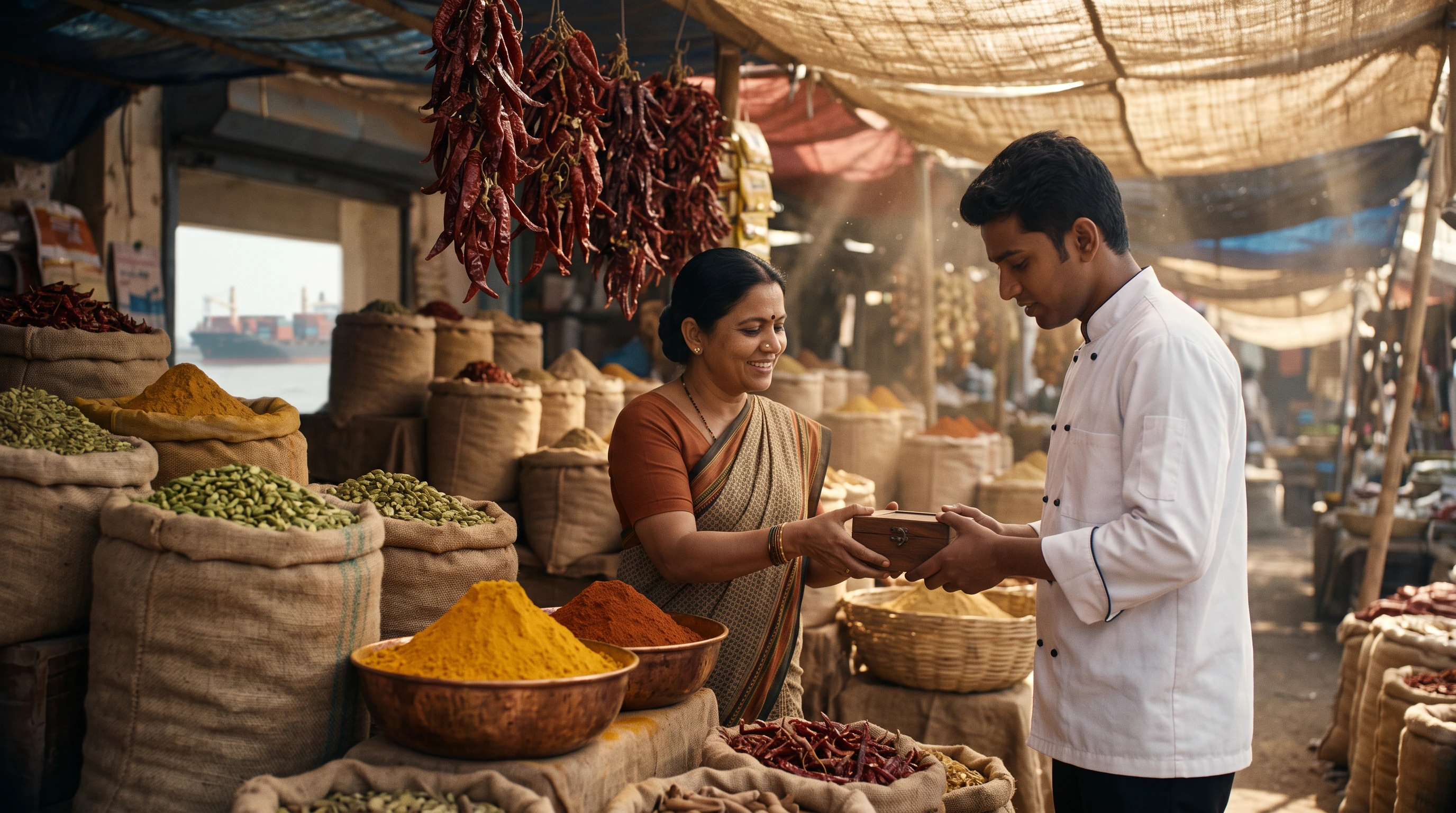
The ancient spice routes that once ferried pepper, cinnamon and cloves across empires are being redrawn by a different kind of cargo: data, climate forecasts and the appetites of a global foodie generation. Where merchants once relied on imperial licences and naval power, today they navigate satellite weather models, health-claim regulations and the digital platforms of specialty importers. The result is a market that, while still anchored in centuries-old crops, is moving at a pace that would have astonished the sailors of Vasco da Gama.
According to a 2026 industry outlook from Emergen Research, the global spices market was worth $24.80 billion in 2025 and is projected to climb to $45.68 billion by 2035, a compound annual growth rate of 6.3 per cent. The report cites three structural drivers: a surge in demand for bold, authentic flavours; the spread of ethnic cuisines into mainstream menus; and the expanding use of spices in nutraceuticals, cosmetics and pharmaceuticals. Those forces are not confined to a single continent-they are echoed in boardrooms from New York to New Delhi and in the aisles of supermarkets across Europe and Asia.
Climate change is rewriting the geography of where spices can thrive. Vanilla, long dominated by Madagascar’s humid highlands, is seeing new plantations sprout in Uganda, Papua New Guinea and parts of India as growers chase more reliable rainfall patterns. Cardamom, a cash crop for Kerala’s smallholders, remains vulnerable to monsoon timing; a delayed or uneven monsoon can swing export volumes dramatically. Pepper growers in Vietnam, India and Sri Lanka are reporting tighter stocks and modest price gains in early August, a trend linked to seasonal wet weather that curbs yields but also reduces disease pressure, according to the Commodity Board’s market brief.
India’s spice sector illustrates the scale of transformation. The country, responsible for roughly three-quarters of the world’s recognised spice varieties, is projected to post its highest ever export value - $4.7 billion in FY24-25 - with key markets in the United States, United Arab Emirates, Bangladesh, China and Europe. A Market news brief notes that Indian cardamom exports have surged to multi-year highs as global demand aligns with a rebound in domestic crop output. At the same time, Shingotex’s August market intelligence highlights a sharp rise in turmeric prices, driven by aggressive buying from stockists and the spice’s reputation as an anti-inflammatory superfood. Yet not all signals are positive: cardamom prices have softened under selling pressure, and red chilli crops face severe supply constraints after prolonged dry spells in northern India.
Specialty importers such as Burlap & Barrel, Diaspora Co. and Curio Spice are capitalising on these dynamics by forging direct links with small-scale farmers. Their business models promise traceability, premium pricing and a narrative that resonates with chefs seeking provenance. By cutting out middlemen, they can guarantee organic or sustainably harvested status, a factor that increasingly influences purchasing decisions in high-end restaurants and health-focused retailers.
The market’s rapid expansion also brings new risks. Saffron, the world’s most expensive spice by weight, is being adulterated at alarming rates as demand outstrips authentic supply from Iran and Spain. Likewise, vanilla’s price volatility - a legacy of Madagascar’s near-monopoly - is prompting growers elsewhere to enter the market, but the transition is fraught with quality challenges. Chili producers are feeling the heat of consumer demand for ever-spicier varieties, from Carolina Reaper to Ghost Pepper, pushing supply chains toward niche farms that can meet the intense heat thresholds prized by snack manufacturers.
Health claims are another catalyst reshaping the spice landscape. Turmeric’s anti-inflammatory reputation has spurred regulatory scrutiny across the EU, the US and Asian markets, prompting producers to invest in quality control and certification. Meanwhile, the rise of spice-derived oleoresins and essential oils is opening doors for food manufacturers to embed flavour without the visual bulk of ground spices, a trend documented in the Business Research Company’s market report which outlines growth across meat, bakery and beverage applications.
Looking ahead, the convergence of climate-responsive agriculture, digital traceability and a consumer base hungry for both authenticity and wellness is forging a new set of spice routes. Exporters are diversifying origins to hedge against weather shocks, while importers are curating story-rich portfolios that blend terroir with technology. As the $20-billion market continues to expand, the old adage that “the world is a bowl of spices” feels more literal than ever-only now the bowl is being refilled from many more corners of the globe.
Yum Opinion: The next great spice empire will be built not on conquest, but on climate-smart farms and transparent supply chains that let diners taste the story behind every pinch.