




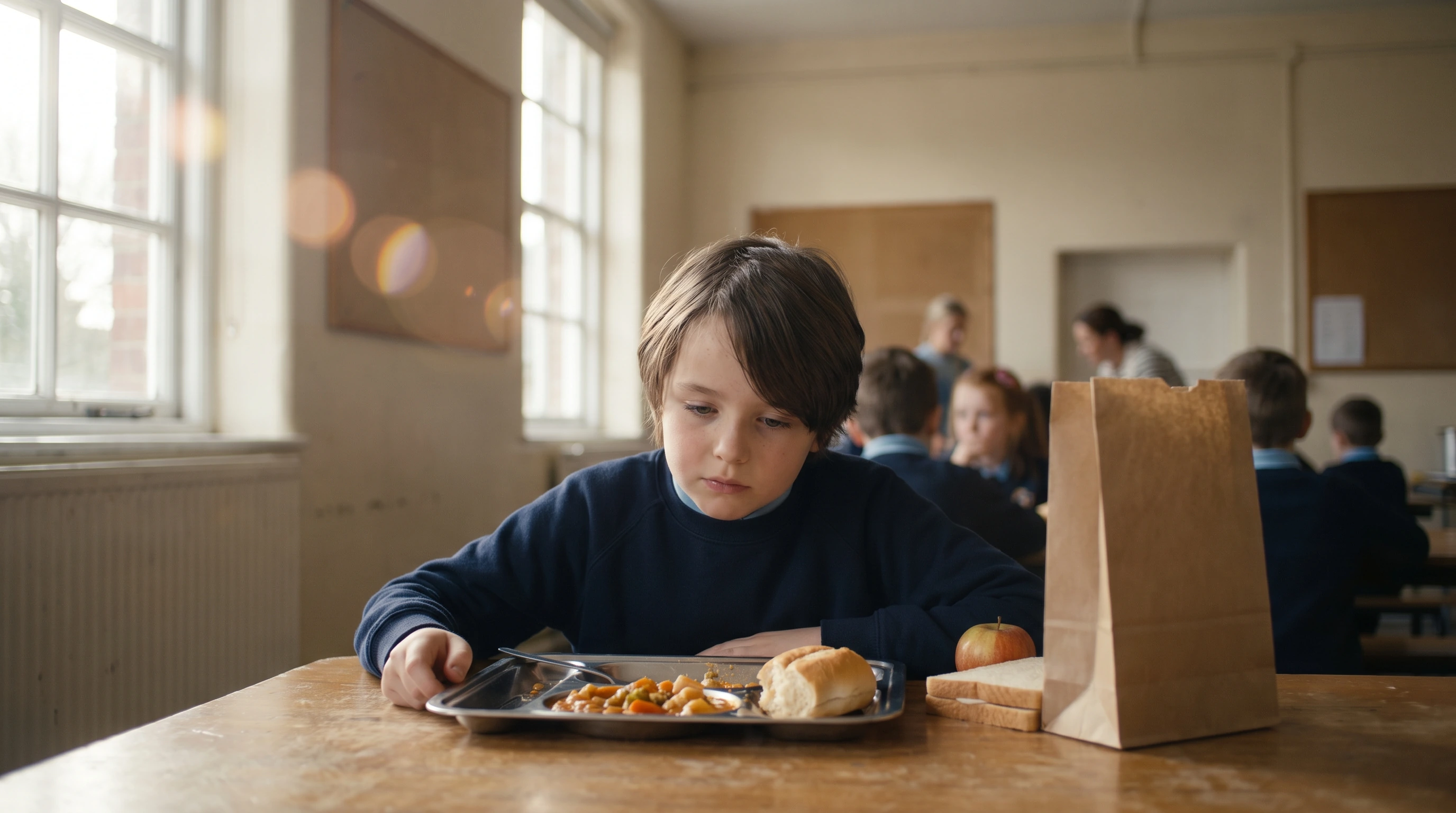
For a primary-school child, lunch is an ordinary pause in the day; multiplied across Ireland, it has become an undertaking serving approximately 550,000 children in 3,200 schools. The hot school meals scheme began as a pilot in 37 Deis primary schools in 2019, but its rapid expansion has brought an awkward problem into view: too much of the food is being wasted, while questions remain about the quality of what children receive. The State now intends to overhaul the programme following reviews of its nutritional value and the views of pupils, parents and teachers. [1]
The scale makes each practical decision matter. The Department of Social Protection has a €286 million budget for the scheme in 2026, while the programme has now operated nationally for a full year. A review brought to Cabinet in September identified serious concerns about nutrition and waste; critics have also raised the transport of pre-cooked meals across the country and the use of 100 million disposable packaging items annually. [1][3]
There is, however, a workable lesson inside the uneaten portions: a universal meal does not have to mean an identical meal. Planned changes include providing a cold lunch choice each day and widening the range of portion sizes. Recommendations also call for a standardised menu and a review of recipes so that all meals are healthy. Senator Linda Nelson Murray, who conducted a Fine Gael survey on the programme earlier in 2026, welcomed the proposed reforms and urged that they be implemented. [2][3]
Choice alone will need thoughtful boundaries. A dietitian’s nutritional review found that most meals did not contain foods considered high in fat, salt or sugar. Yet when less healthy items appeared alongside healthier alternatives, children chose them. [1] That finding makes the task more delicate than simply adding options: menus must offer children some agency without making the intended nutritional improvement easy to sidestep.
The programme’s nationwide reach remains a foundation on which to build. Its next chapter can pay closer attention to the child at the end of the chain: how much food is appropriate, which format suits the day and whether the meal is likely to be eaten. Experts quoted by the Irish Examiner have called for the scheme to be reconsidered from the ground up. [3] The immediate reforms are narrower, but they point towards a humane measure of success, food that nourishes children because it actually reaches them, in a form and portion they can accept.
Yum Opinion: I think listening closely to what children will actually eat is essential if a generous public programme is to nourish rather than waste.