






Mujaddara (Lentils & Rice with Onions)
Mujaddarah, Mejadra, Lentil pilaf

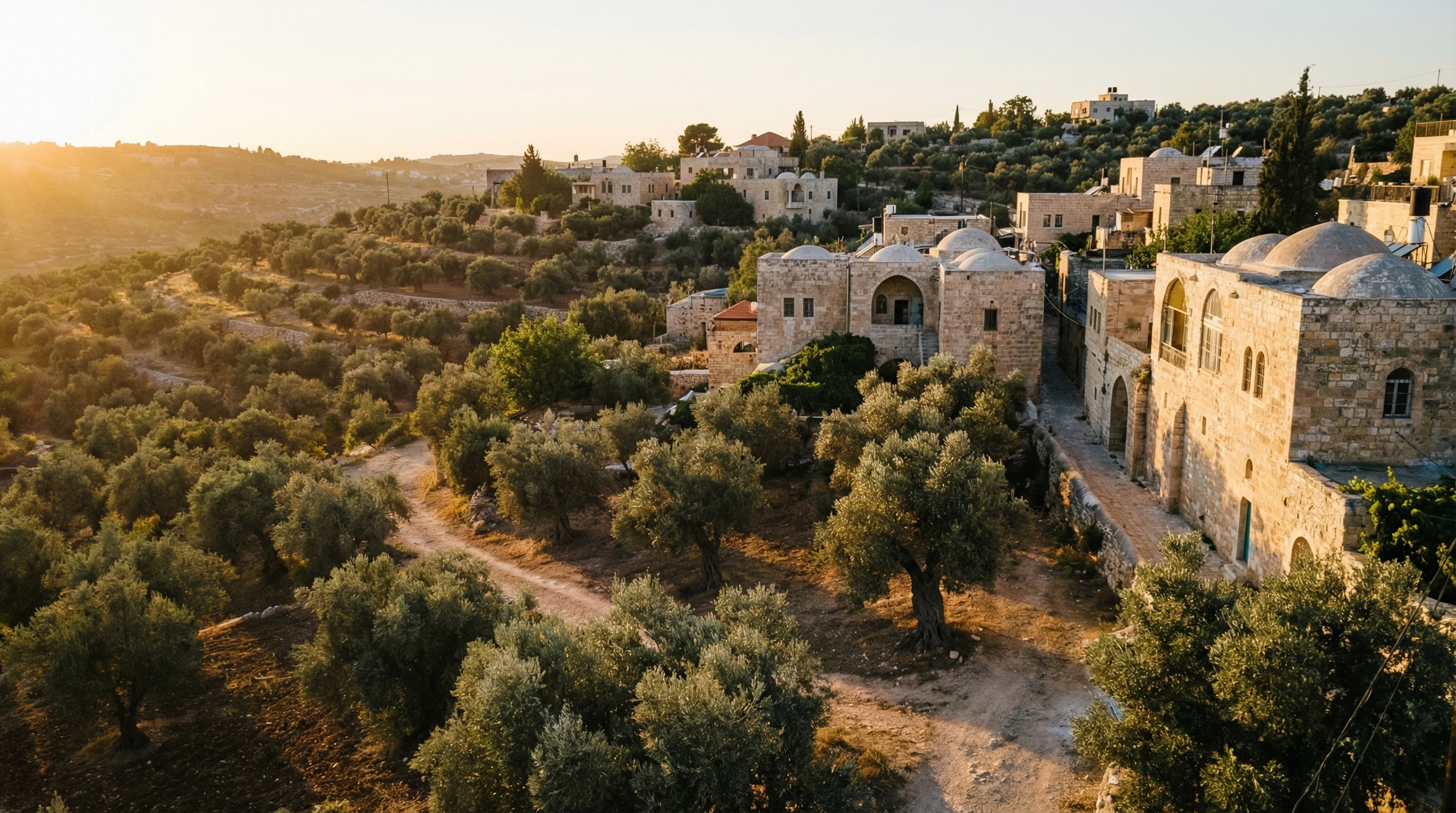
The Land, the People, the Food
Levantine cuisine represents one of humanity's oldest continuous food traditions, emerging from the Fertile Crescent where agriculture began.
Ancient civilizations - Canaanite, Phoenician, Aramaic - established olive cultivation, grape growing, and grain agriculture. Roman and Byzantine periods developed sophisticated urban food culture. Arab-Islamic conquest in the 7th century brought transformative influences: rice, citrus, eggplant, and spice trade connections to India and beyond. Medieval Damascus and Aleppo became renowned culinary centers, with cookbooks documenting refined palace cuisine and street food traditions.
Ottoman rule standardized many preparations across the Eastern Mediterranean. The Levantine mezze tradition - small shared plates - reflects ancient communal dining customs. Key ingredients include bulgur wheat, chickpeas, yogurt, tahini, and za'atar herb blend. Iconic dishes like hummus, baba ganoush, tabbouleh, and kibbeh have ancient roots with continuous evolution. Each country maintains distinct specialties: Syrian muhammara, Lebanese fattoush, Palestinian musakhan. French Mandate influence introduced pastries and coffee culture. Despite modern political divisions, shared Levantine culinary heritage remains powerful cultural connector across Syria, Lebanon, Palestine, and Jordan. ■
See the full recipe for Mujaddara (Lentils & Rice with Onions)
Login or Register to comment