





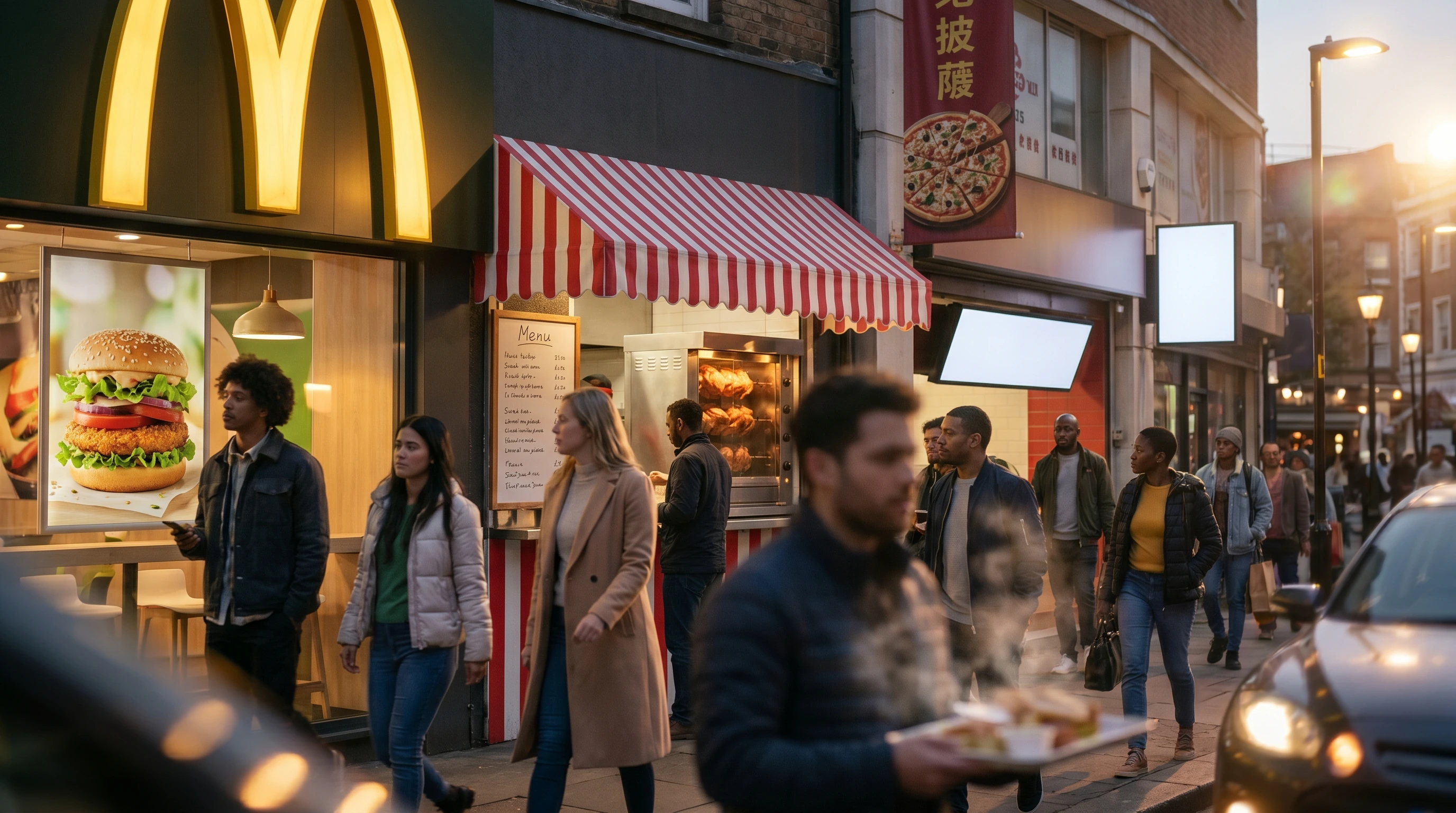
When the golden arches first appeared on bustling streets in Mumbai, Shanghai and Johannesburg, they carried a promise of familiar flavours and predictable service. Twenty-four hours later the same promise is being delivered in a very different form - a menu that swaps beef for spiced potatoes, a partnership that hands a Chinese pizza brand to a domestic operator, and a pricing strategy that competes with street-side grills. The story of fast-food globalisation is no longer about exporting a single recipe, but about tailoring every element of the business to local appetites and economics.
India offers the most vivid illustration of this shift. McDonald’s outlets across the sub-continent serve no beef or pork, instead offering a range of vegetarian items such as the McAloo Tikki and a paneer-based burger, while sourcing more than ninety per cent of their ingredients from Indian farms. The chain has even built separate kitchens to keep meat-free production lines distinct, a logistical overhaul that has turned the Indian market into a testbed for supply-chain localisation, according to a report from Wownews24x7. BusinessToday adds that the menu overhaul is driven by a mix of strict food-safety regulations, razor-thin price margins and a palate that craves complex spice blends, prompting the fast-food giant to replace premium imported ingredients with locally sourced alternatives.
The same logic is playing out in China, where Western brands are increasingly ceding control to domestic partners. Pizza Hut, for example, has transferred ownership of many of its Chinese restaurants to a local operator, a move that trims capital outlay and reduces operational risk even as it squeezes profit margins, notes Market.news. The partnership model reflects a broader industry trend: as Chinese consumer confidence ebbs and domestic fast-food chains sharpen their offerings, multinational chains find that a lighter balance sheet and a partner who understands regional taste trends can be more valuable than a wholly owned empire.
South Africa presents a different but equally compelling challenge. The country’s fast-food market, worth roughly R75 billion, is being reshaped by home-grown chicken brands such as Chicken Licken, Galito’s and the fast-growing Pedros chain. These rivals promise fresher, cheaper and more locally resonant products, eroding the market share that KFC and McDonald’s once enjoyed, according to Geekfest Co Za. Even traditional burger competitors like Steers and the newcomer Smashed Burger are crowding the space, forcing the global giants to rethink pricing, menu composition and promotional tactics if they hope to retain relevance among price-sensitive South African diners.
Behind each of these localisation stories lies a financial architecture that can be as risky as it is rewarding. QSR Pro highlights the master-franchise model, where franchisees pay massive upfront fees for territorial rights. While corporate owners may reap growth on paper, many master franchisees find themselves in a “wealth-destruction machine”, having invested tens of millions only to see the value of their licences plummet when market conditions shift, as illustrated by the Saudi-Arabia Starbucks franchise that fell from an $80 million purchase price to a fraction of that value over two decades. The model underscores that expansion is not merely a matter of copying a menu; it requires careful assessment of local economic dynamics, regulatory environments and long-term brand equity.
These divergent case studies converge on a single insight: localisation is no longer an optional add-on, but a core strategic imperative. Whether it is redesigning a burger to satisfy vegetarian customs, partnering with a domestic operator to navigate a volatile consumer market, or confronting home-grown competitors that promise fresher fare at lower prices, the global quick-service sector is learning that the most sustainable growth comes from listening to the local palate and adapting business models accordingly. As emerging markets continue to expand their middle classes, the brands that can blend global brand equity with authentic local relevance will be the ones that dominate the next wave of fast-food expansion.
Yum Opinion: The future of the golden arches lies not in uniformity, but in the delicious diversity of the markets they serve.