





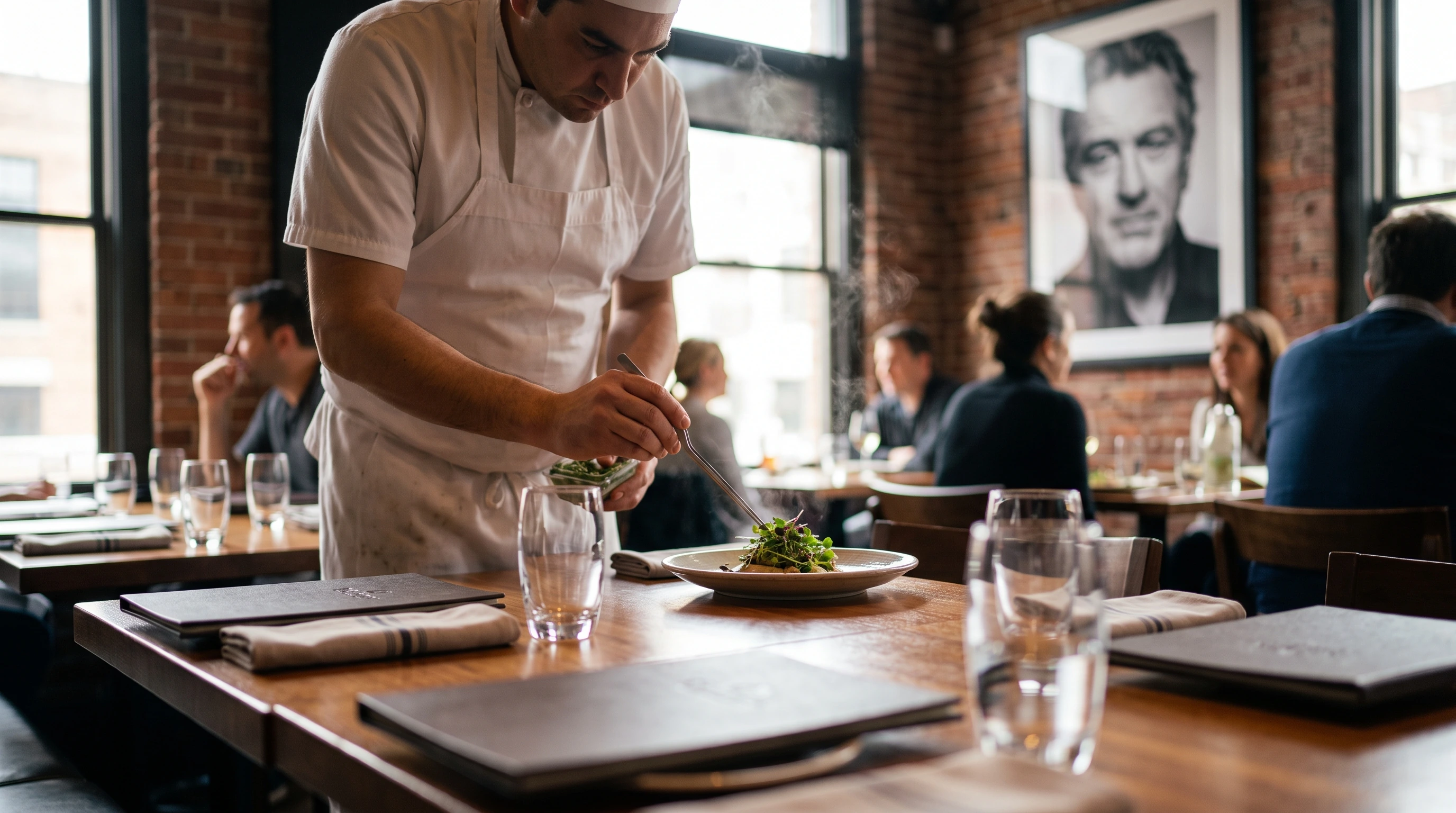
When a household name signs a lease for a prime city corner, the opening night often feels like a red-carpet event. The Bulletin Time notes that modern celebrities see restaurants as a way to turn personal brand equity into tangible hospitality revenue, betting that fame will pull the first wave of diners through the door. Yet the same source warns that a single night of curiosity is not enough-repeat business is the true test of a restaurant’s viability. Across the industry, the gap between a glittering launch and lasting profitability is widening, and the numbers are stark.
According to the Hospitality Celebrity Index released by 5WPR, roughly 60 to 70 per cent of celebrity-backed restaurants fail within five years, more than double the roughly 30 per cent failure rate for comparable independent venues. The report isolates four structural flaws: overreliance on the star’s name, insufficient operational expertise, mis-aligned location strategy, and under-capitalisation that leaves the venture vulnerable to cash-flow shocks. These patterns repeat whether the venture is a high-end steakhouse in London or a themed diner in Los Angeles, underscoring that fame alone does not substitute for the fundamentals of good restaurant management.
High-profile collapses illustrate the pitfalls vividly. Dolly Parton’s Dockside Plantation on Oahu, launched with much fanfare in 1988, shuttered after barely a year, a disaster chronicled by SFGate that blamed a mismatch between the country-music icon’s Southern hospitality brand and the Hawaiian market’s expectations. In India, Virat Kohli’s One8 Commune near Bengaluru’s Chinnaswamy Stadium was ordered to close after accruing more than ₹2 crore in unpaid rent, a legal saga reported by Newsx that highlighted how even a sporting legend’s name cannot shield a venue from basic financial mismanagement. These stories echo the broader trend: without solid operational footing, the celebrity veneer quickly erodes.
The rise of social-media influencers has added a new layer to the equation. Many digital stars launch “virtual” or ghost-kitchen concepts that rely on delivery platforms to reach their follower base, hoping to sidestep the costs of a brick-and-mortar space. While The Bulletin Time acknowledges that licensing and merchandise can extend a brand’s reach, it also warns that consumers expect the same quality from a delivery menu as they would from an in-house experience. When the food does not live up to the influencer’s curated persona, backlash can be swift, further damaging the star’s broader reputation.
Success, however, is not impossible. The Tennessean reports on Audrey, the East Nashville restaurant co-founded by chef-celebrity Sean Brock, which, despite its recent closure, earned a Michelin recommendation and built a loyal following by foregrounding Appalachian ingredients and genuine farmer partnerships. Brock’s hands-on involvement, from menu development to supplier relationships, exemplifies the model highlighted by The Bulletin Time: when a celebrity brings authentic culinary expertise and operational control, the restaurant can transcend the novelty factor and become a lasting institution. Similar trajectories are seen in the ventures of chef-actors who treat the eatery as an extension of their craft rather than a mere branding exercise.
Investors have taken note. Post-pandemic capital flows now demand proof of operational credibility before backing a star-fronted concept, a shift echoed in both The Bulletin Time and the 5WPR analysis. Venture firms are scrutinising kitchen teams, supply-chain robustness, and realistic financial projections, often requiring the celebrity to retain equity and participate in day-to-day decisions. This tighter due-diligence aims to weed out vanity projects that rely solely on name-recognition, protecting both investors and diners from the fallout of poorly run establishments.
Ultimately, the lesson for aspiring restaurateurs with a fame factor is clear: a glittering name can open the door, but it is the quality of food, the strength of the team, and the resilience of the business model that keep it open. As the industry continues to grapple with the allure of celebrity branding, the most enduring eateries will be those where fame meets genuine culinary stewardship.
Yum Opinion: A star’s sparkle may attract the first customer, but only solid food and sound management can turn that sparkle into a lasting legacy.