





Every year the world discards enough food to feed a billion people, and the loss translates into roughly US$1 trillion of wasted value. The United Nations Environment Programme has set a bold target to halve that waste by 2030, arguing that the climate and hunger crises are two sides of the same problem (Ins31). While the statistics are staggering, a growing cohort of startups, retailers and chefs are proving that the waste stream can be rerouted into profit, jobs and lower emissions.
Mobile rescue platforms have shown the first signs of scale. The Too Good To Go app, now operating across Europe and beyond, has saved more than 600 million meals that would otherwise have been tossed (ColombiaOne). In South Africa, the home-grown Refreshi marketplace has rescued 200 000 meals in a single year, delivering R12.5 million in grocery savings to consumers while giving retailers a new revenue channel (Egoli Jozi New). Across the United States, the Farmlink Project harvests surplus produce from farms and warehouses, redirecting millions of pounds of fresh food to food-banks and earning a climate-solution prize for its impact (Laist). These models prove that connecting surplus to demand can cut waste at the point of sale while offering shoppers discounted, perfectly edible goods.
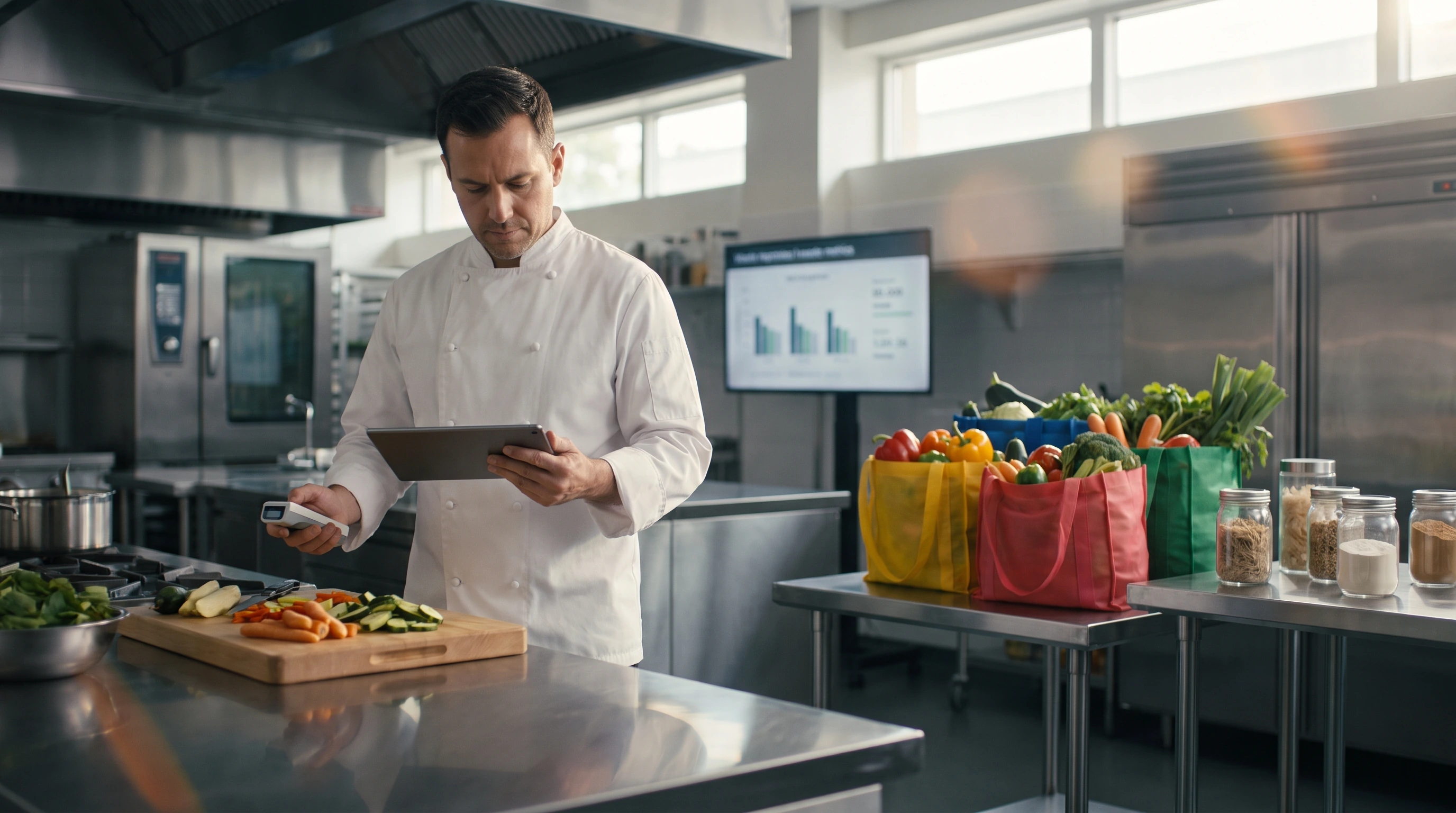
Technology is sharpening the efficiency of that connection. London-based Winnow, a pioneer of AI-powered kitchen waste monitoring, has expanded its reach into the Asia-Pacific by acquiring Singapore’s Lumitics, a firm that blends computer-vision hardware with cloud analytics to automatically weigh and categorise waste without manual input (Technode Global). The combined VisionAI platform promises real-time insights that help chefs adjust portion sizes, optimise menu design and ultimately reduce the volume of food that ends up in the bin. Similar AI-driven pricing tools are being piloted in European supermarkets, where dynamic markdowns on near-expiry items have trimmed in-store waste by up to 40 per cent, turning what would have been loss into last-minute sales.
Beyond preventing waste, a second wave of innovators is extracting value from the material that does become surplus. San Francisco start-up Hyfé has built a refining process that separates solid food-processing sidestreams into soluble fibres, bioactive compounds and fermentable sugars, turning what was once destined for compost into market-ready ingredients (Agfundernews). At the IFT FIRST conference in Chicago, dozens of companies showcased similar up-cycling technologies that can produce functional fibres, specialty proteins and nutraceuticals from agricultural by-products (Foodnavigator). By moving up-cycling from a niche sustainability practice to a platform for premium food ingredients, these firms are creating new supply chains that reward waste reduction with higher-margin revenue.
Consumer confidence is beginning to catch up with the science. The Upcycled Food Association, a trade body that certifies products made from rescued or repurposed ingredients, is gaining traction as shoppers look for transparent labelling that guarantees a genuine reduction in waste. While the certification scheme is still emerging, its presence signals that the market is ready to reward brands that can substantiate claims of waste-derived value, encouraging more processors to invest in extraction technologies.
Policy is reinforcing the commercial momentum. The European Union’s revised Waste Framework Directive obliges member states to cut food waste by at least 30 per cent at retail and consumer levels by 2030, creating a regulatory backdrop that favours both waste-prevention apps and up-cycling enterprises. UNEP’s Food Waste Breakthrough initiative dovetails with those mandates, framing the trillion-dollar loss as a financial lever for climate action and food security (Ins31). Together, legislation and international ambition are nudging retailers, municipalities and investors toward solutions that are simultaneously ecological and profitable.
When the numbers are added up, the picture is one of incremental victories that together could reshape the food system. Apps like Too Good To Go and Refreshi demonstrate that consumer-facing platforms can divert millions of meals while saving households money. AI tools from Winnow and its new Lumitics arm are turning data into waste-reduction strategies that cut costs for commercial kitchens. Up-cycling innovators such as Hyfé are proving that even the most residual streams can be transformed into high-value ingredients. The convergence of technology, policy and market demand suggests that the $1 trillion waste problem is no longer a sunk cost but a source of growth for those who can capture it. Yum Opinion: The winners will be the players who blend digital precision with tangible product innovation, turning every discarded crumb into a revenue-generating opportunity.