





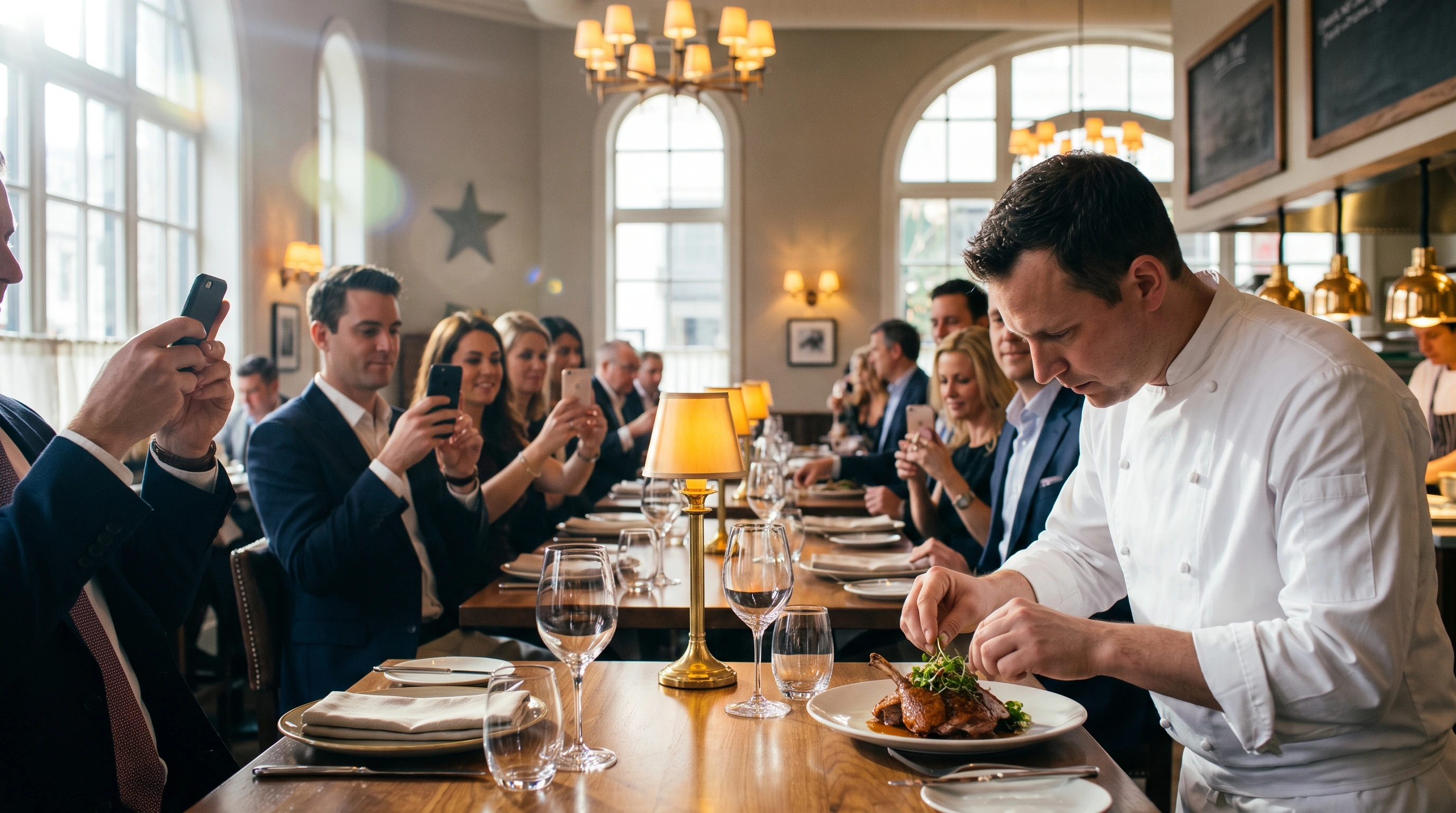
When a film star or a sports hero signs a lease on a corner of a city, the opening night can feel like a red-carpet event. The Bulletin Time notes that a famous name can pull people through the door once, but lasting success depends on turning that brand equity into repeat business. In practice, the restaurant must become more than a selfie backdrop; it must deliver food, service and ambience that keep guests coming back for the taste, not just the name.
Research from Everything PR and 5WPR’s Hospitality Celebrity Index makes the risk clear. Roughly sixty to seventy per cent of celebrity-led restaurants close within five years-more than double the failure rate of comparable independents. The data span multiple markets and price tiers, showing a consistent bimodal outcome: a few establishments survive for decades, while the majority fade within eighteen months. The numbers are not a myth; they are a measurable gap that investors now scrutinise.
The same reports point to four structural flaws that repeat across the failed ventures. First, many deals rely on a simple licensing fee, leaving the star detached from day-to-day operations. Second, location strategy is often driven by brand visibility rather than footfall analysis. Third, menu development leans on the celebrity’s personal taste instead of market research, resulting in dishes that feel gimmicky. Finally, the financial model frequently underestimates the thin margins of hospitality, assuming that fame will cover operational shortfalls. 5WPR’s three-question test-does the celebrity have culinary credibility, operational involvement, and a realistic profit model? - has become a litmus strip for investors.
The Tesla Diner in Los Angeles illustrates how novelty can evaporate quickly. Announced with fanfare by Elon Musk, the retro-futuristic eatery promised robot-served popcorn and a menu built around “Epic Bacon” strips. Omgcatz observed that within six months the once-buzzing venue resembled a ghost town, with half-empty charging bays and a handful of diners watching staff polish chrome walls. The novelty factor wore off, and without a solid culinary identity the diner could not sustain the traffic that its celebrity name had initially attracted.
Not every high-profile name meets the same fate. Shilpa Shetty’s Bastian chain in Mumbai, for example, has built a reputation that extends beyond celebrity hype. Ajmix In reports that despite rumours of multi-crore nightly takings, neither Shetty nor her husband extracts personal profit, instead reinvesting into the brand. The chain’s emphasis on Vastu-approved spaces and a consistent premium menu shows how a star can embed genuine operational discipline and cultural relevance into a concept, turning it into a local institution rather than a flash-in-the-pan.
Across the Atlantic, Lisa Vanderpump’s Las Vegas portfolio demonstrates another pathway to longevity. Business Insider’s author spent forty-eight hours sampling every Vanderpump venue on the Strip, noting that each space blends the star’s personality with a clear culinary focus - from truffle-laden pastas to classic British bar fare. The review highlights that Vanderpump’s involvement goes beyond a name on the sign; she curates menus, oversees design and leverages media exposure to keep the venues in the public eye without relying on gimmickry.
Emerging models such as ghost kitchens show how celebrities are adapting to the delivery-first era. Industry observers note that virtual restaurants let a star test a concept with minimal capital, but consumer backlash can be swift if the food does not meet expectations. The trend underscores the same lesson that the Hospitality Celebrity Index repeats: brand alone cannot mask a sub-par product, and the digital sphere amplifies any shortcomings.
Investors have taken note. 5WPR’s Hospitality Fit Index now requires a rigorous assessment of any celebrity-property pairing before capital is committed. The three-question test has become a gatekeeper, ensuring that a star’s involvement is more than a vanity licence. As venture capital flows shift towards operational credibility, the next wave of celebrity eateries will likely be those where the fame is paired with a chef’s expertise, a solid business plan and a menu that can stand on its own.
Ultimately, the data suggest that fame can open the door, but it is the quality of the food, the strength of the team and the realism of the financial model that decide whether a celebrity restaurant becomes a cultural landmark or a footnote in a star’s résumé.
Yum Opinion: When a name shines brighter than the plate, the restaurant is destined to dim.