




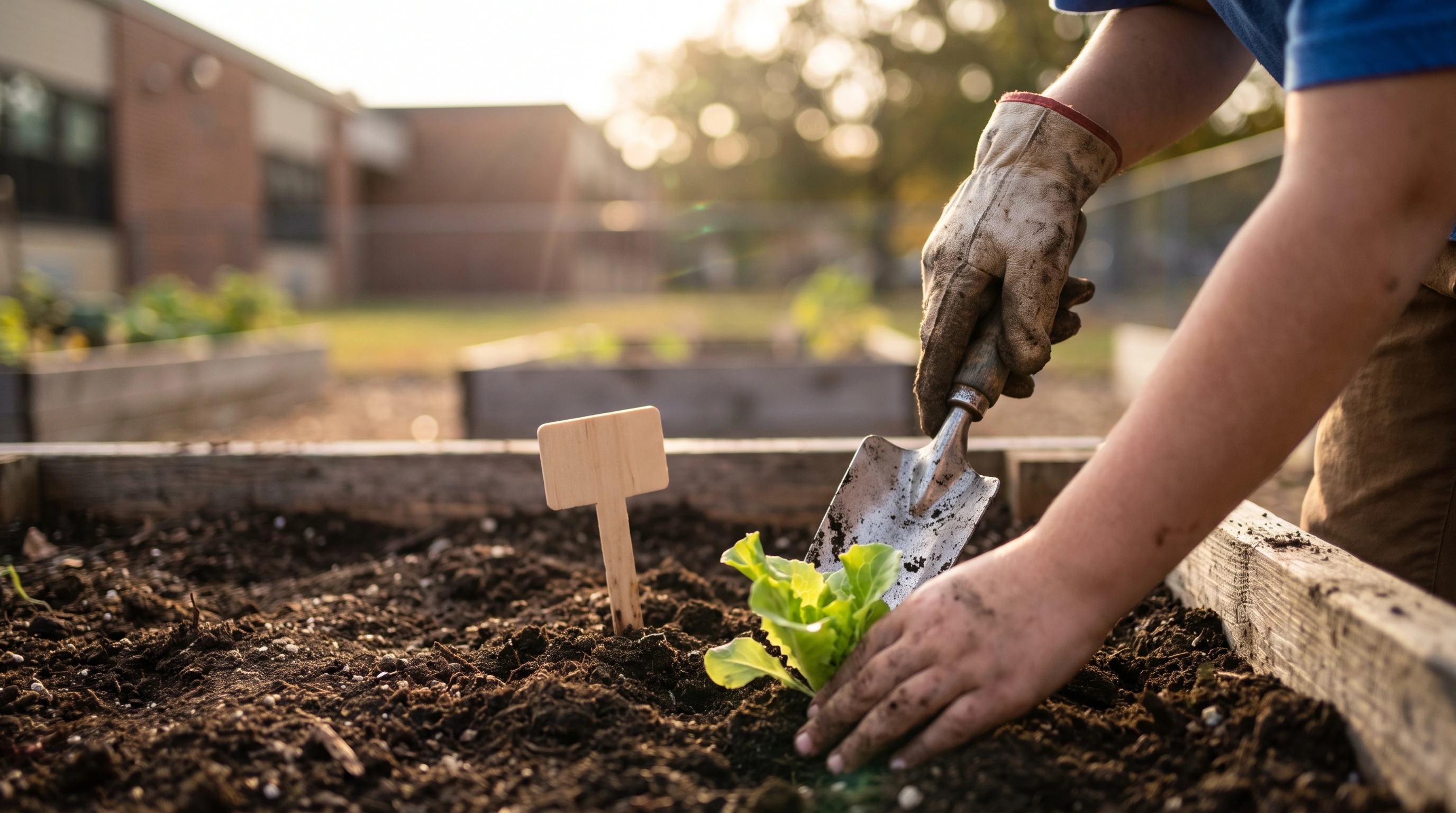
In a school garden, children are not simply told where food comes from. They plant, tend, winterise and harvest it themselves. At FRESHFARM FoodPrints partner schools, these gardens are shared spaces for pupils, staff and families, while regular classes give students practical responsibility for growing fresh, local food. The work can turn an abstract lesson into something children can claim as their own, nurturing confidence and pride alongside connections with farmers, food and one another. During Farm to School Month this October, that patient rhythm continues just as it does throughout the year. [1]
Such closeness to food carries a useful lesson: every plate has a journey behind it, and that journey demands attention. A serious reminder arrived after US cases of cyclosporiasis between July and September. The US Food and Drug Administration concluded that the outbreak was associated with lettuce from central Mexico recalled by Taylor Farms de México, according to El País. The agency said it inspected sites and sampled multiple iceberg-lettuce growers and a processing facility in Mexico in co-ordination with Mexican authorities. The finding came nearly three months after Mexico’s health ministry said its tests had been negative for the parasite. El País put the year’s toll at 12,883 cases, 570 hospital admissions and two deaths. [2]
The contrast is sobering, but the thread is the same: food links growers, handlers, cooks and eaters long before anyone lifts a fork. A garden allows children to see part of that chain at human scale. A food-safety investigation shows how consequential the less visible parts can become. Care is not an extra flourish added at the table; it belongs throughout the life of an ingredient.
That shared life is also being celebrated in and around Dubrovnik, where the 13th Good Food Festival is running from 5 to 18 October. Its programme reaches beyond the Old City into Župa dubrovačka, Cavtat, Konavle and the Dubrovnik Littoral. Sixty-five restaurants are participating in Two Weeks of Restaurants, offering promotional menus that encompass traditional local and Mediterranean dishes, contemporary cooking, seafood, meat and vegetarian choices. Festival breakfasts, sweet offers, wine, music and other culinary experiences extend the invitation across the day. [3]
A festival menu and a school harvest may feel far removed from an investigation into contaminated lettuce, yet each places food inside a web of human responsibility. The hopeful part is not that this web is simple. It is that people can learn their place within it: by caring for a garden, checking how an ingredient travels, or recognising the many hands behind a restaurant meal. Food becomes richer in meaning when enjoyment and attentiveness are allowed to share the same table.
Yum Opinion: I like the idea that learning where food comes from can deepen our pleasure in it while also sharpening our sense of responsibility.