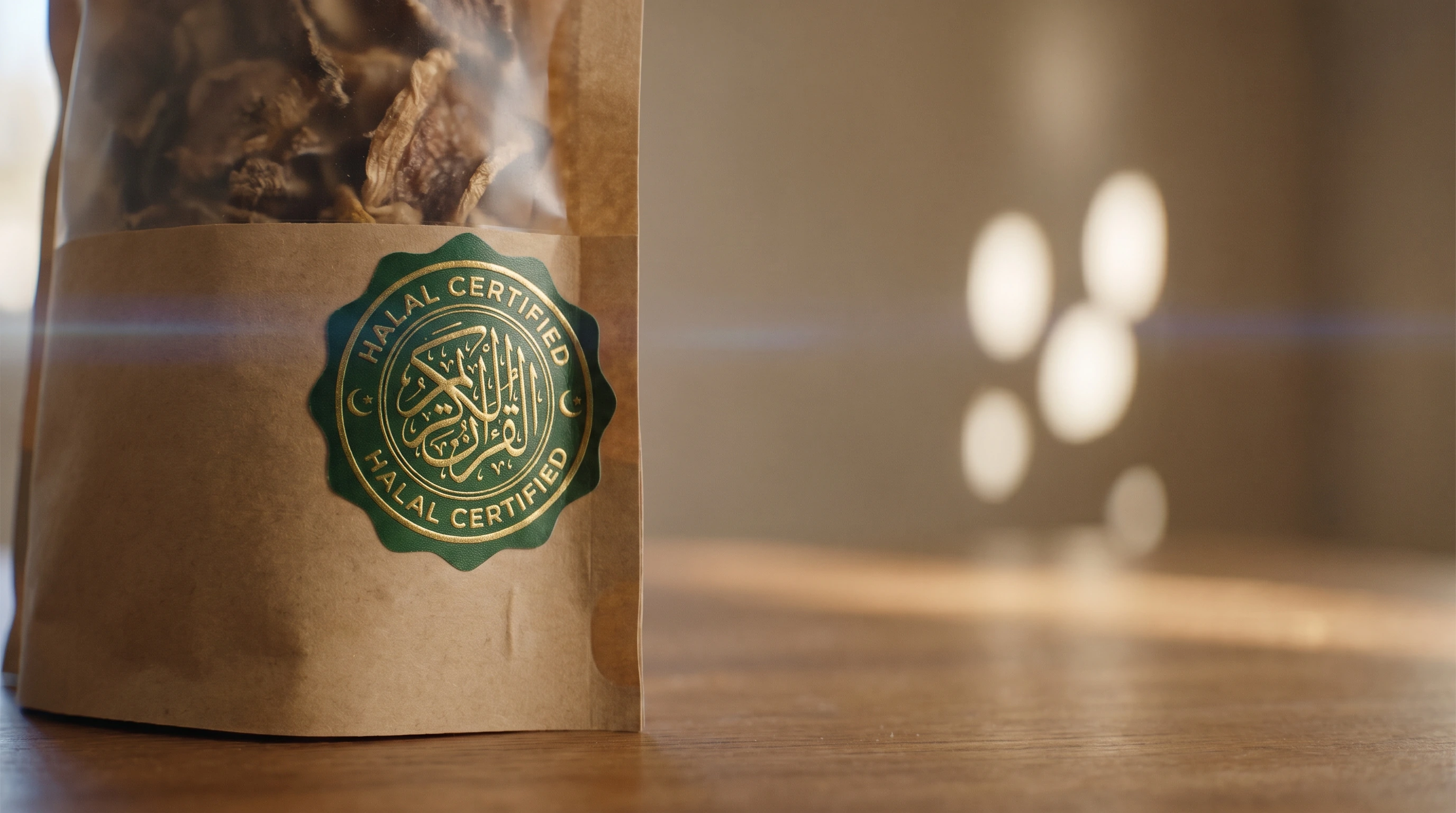






Choosing a soft drink can become a surprisingly careful act when the label must answer more than a question of flavour. In the Middle East, a current food-and-drink snapshot places gluten-free options, local soft drinks and halal rules within the same frame, making the drinks shelf a meeting point for dietary needs, regional identity and religious observance [1].
That meeting point has been forming for years. Across parts of the Middle East and Africa, carbonated-drink launches have diversified to combine international ideas with locally relevant formulations. Mintel has described the region as having strong growth potential for carbonated soft drinks, with Coca-Cola and PepsiCo investing heavily in manufacturing and distribution. It also identified younger consumers as a valuable demographic, while noting rising interest in better-for-you and more upscale propositions in countries including Egypt, Iran, Morocco, Saudi Arabia and the UAE [2].
Yet “local relevance” is not simply a decorative flavour or a familiar name on a bottle. It can shape how a drink is made from the beginning. Dubai-based Midtown Factory launched Majlis Premium Arabian Ale as what it calls the world’s first fully halal-brewed beverage range. Its proprietary process is designed to keep fermentation alcohol-free throughout, rather than removing alcohol after brewing. The range includes an original ale, a gluten-free ale, a stout, a wheat ale and a pale ale [3].
That distinction matters because it turns compliance into part of the recipe, not a correction made at the end. It also places two needs highlighted in the latest regional focus, halal observance and gluten-free choice, inside a single range [1][3]. For the person lifting a bottle or glass, the result is a familiar category presented through a different set of boundaries.
There is a useful lesson here for drinks makers. A formulation intended for a particular community can begin by taking that community’s requirements seriously, while still leaving room for variety. The five-brew Arabian ale range shows one possible approach; the wider diversification of carbonated drinks shows that the impulse reaches beyond a single product [2][3].
The consequence is modest but meaningful. As local soft drinks, dietary options and halal rules receive fresh attention, the most interesting innovation may be the kind that makes fewer people choose between participation and principle [1]. A drink does not need to abandon familiarity to belong in a particular place. Sometimes it must simply be made with that place in mind from the start.
Yum Opinion: I find the most convincing innovation is often the kind that treats people’s boundaries as a creative starting point, not an obstacle.