




The idea that a "gut feeling" might actually be a biochemical conversation between the intestines and the brain is moving from metaphor to measurable science. In the wake of Mental Health Awareness Month, researchers across continents are untangling the gut-brain axis - a network of neural, immune and metabolic pathways that links diet to mood, cognition and psychiatric risk.
A review in Nature highlights four principal routes by which the microbiome can influence the brain. Signals travel via the vagus nerve, while immune cells carry inflammatory messages that can cross the blood-brain barrier. Short-chain fatty acids produced by bacterial fermentation act as signalling molecules, and certain foods provide the raw materials for neurotransmitter precursors such as serotonin and dopamine. Together these mechanisms suggest that altering the gut ecosystem could have downstream effects on mental health.
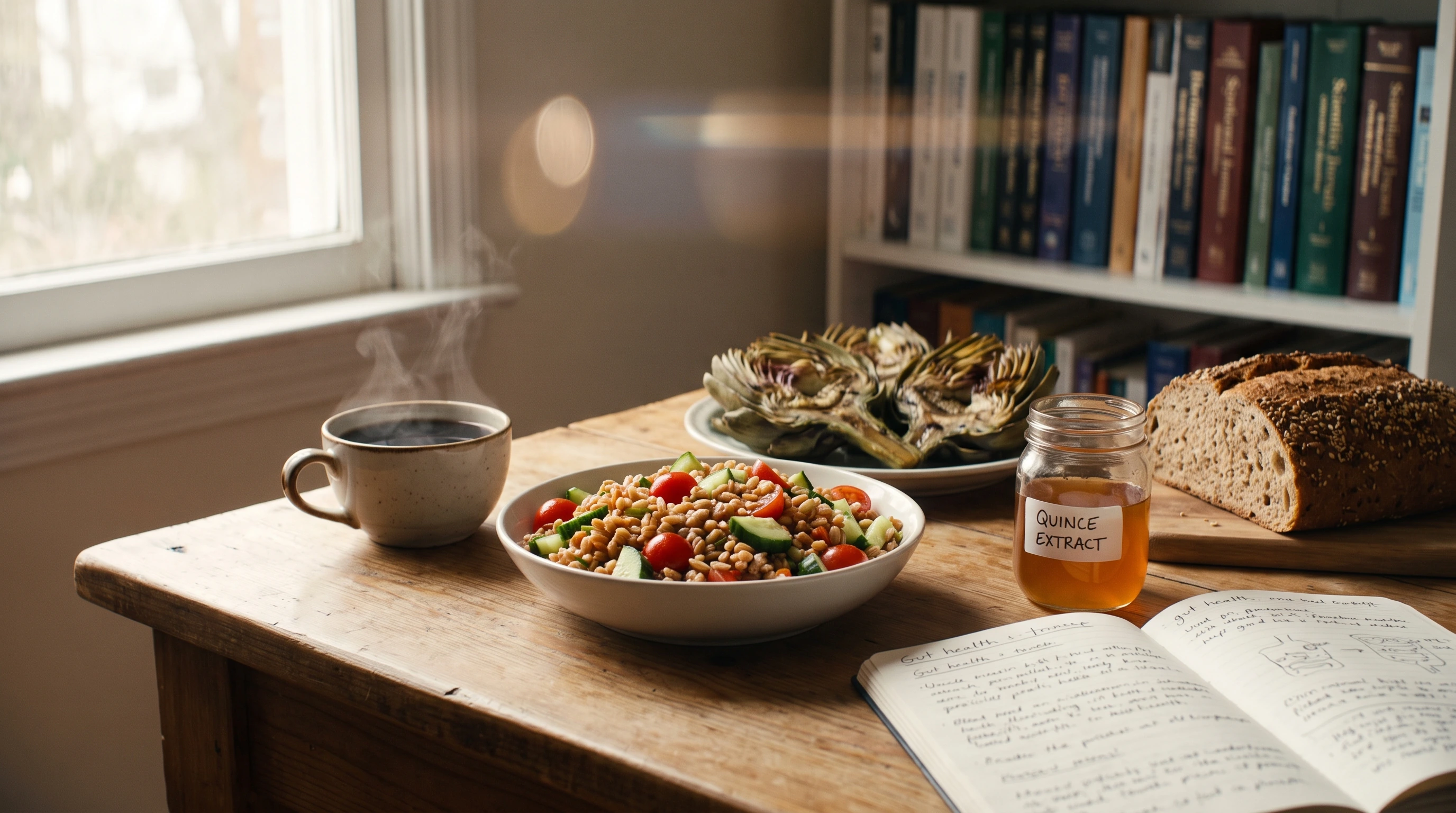
Animal experiments are already offering proof of concept. Medical Xpress reported that mice fed a high-fat, low-nutrient diet displayed depression-like behaviours, but a short course of aspirin restored normal activity levels and reduced inflammatory markers in the brain. Similarly, a Chinese study featured on Nutraingredients found that a hydroethanolic extract of quince moderated gut-microbial composition, lowered neuroinflammation and improved behavioural outcomes in mice challenged with an immune stressor. Both studies point to diet-driven inflammation and dysbiosis as modifiable contributors to mood disorders.
Even everyday beverages join the conversation. Technology Networks explained that regular coffee consumption-whether caffeinated or decaffeinated-can reshape the gut microbiome in ways that correlate with self-reported mood improvements. The researchers noted changes in bacterial groups linked to short-chain fatty-acid production, suggesting that a simple cup of coffee may act as a mild psychobiotic for some drinkers.
At the frontier of translation, the EU-funded Nutrimind project showcased at World Brain Day 2026 how artificial intelligence can sift through massive nutrition datasets to identify patterns between diet, microbial signatures and cognitive performance. By modelling these relationships, scientists hope to generate personalised dietary recommendations that could complement traditional psychiatric care. The initiative reflects a broader industry push, with ingredient developers racing to back claims of mental-health benefits with robust clinical data.
Beyond individual nutrients, the overall dietary pattern matters. Psychology Today highlighted the Planetary Health Diet, which advocates reduced animal-product consumption and increased plant-based foods. The article argues that such a diet not only lowers greenhouse-gas emissions but also supports brain health by supplying antioxidants, omega-3 fatty acids and fibre that nourish a diverse microbiome. In this view, sustainable eating becomes a public-health strategy for both the planet and the mind.
Clinical services are beginning to reflect these insights. New Scientist described a future psychobiotics clinic where patients receive personalised microbial supplements to alleviate anxiety and depression. While still experimental, the model illustrates how clinicians may soon prescribe diet-derived interventions alongside medication, echoing the early nutritional-psychiatry programmes emerging in academic hospitals.
Public awareness, however, remains uneven. Surveys cited in the Nutritioninsight piece reveal that many consumers are unaware of the gut-brain link, and even fewer discuss diet with their general practitioners. The scientific community stresses that most human evidence is still correlational; rigorous randomised trials are needed to move from association to causation. Nonetheless, the convergence of mechanistic studies, animal models and early human pilots is building a compelling case for dietary strategies as adjuncts in mental-health treatment.
Yum Opinion: As the evidence matures, kitchens may become the newest front line in the fight against depression and anxiety, urging us to treat every meal as both nourishment and medicine.