




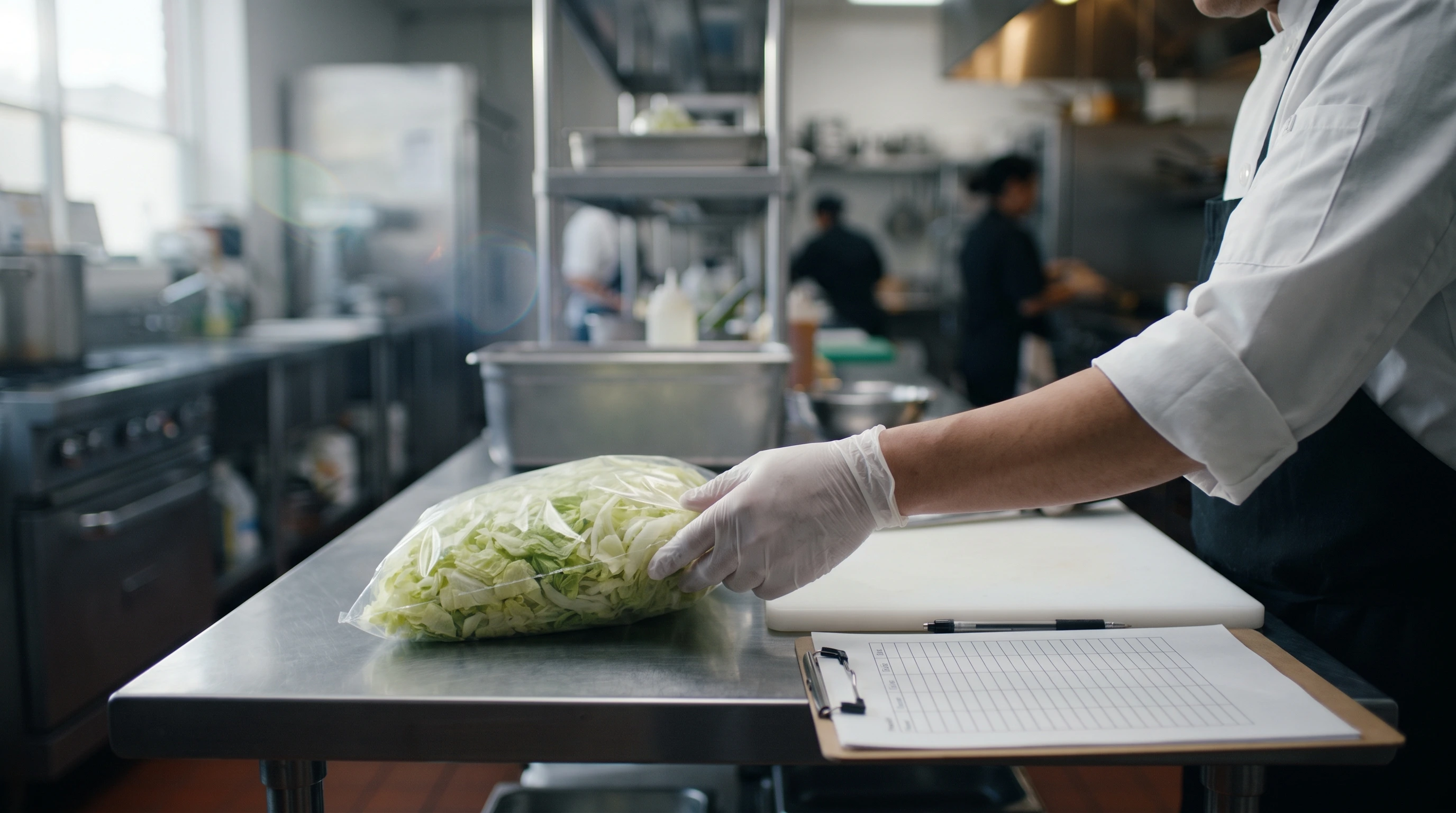
A bag of iceberg lettuce is built for convenience: open it, add it to a meal and carry on. Yet the products at the centre of a US recall this summer show how quickly that ordinary action can become a question of public health. Taylor Farms de Mexico voluntarily removed all iceberg lettuce sourced from central Mexico from the US market on 17 July, and initiated a recall that included selected Marketside iceberg salad and shredded lettuce sold at Walmart. The affected packs carried best-before dates from 18 July to 3 August 2026, depending on the product. Those dates have now passed, and the recalled lettuce should no longer be in shops or restaurants. [1]
The removal was connected to outbreaks of cyclosporiasis, an intestinal illness. On 3 October, EL PAÍS reported that the US Food and Drug Administration had concluded that outbreaks affecting thousands of people between July and September were associated with lettuce from central Mexico withdrawn by Taylor Farms de Mexico. The newspaper said the FDA had inspected sites and taken samples from multiple iceberg-lettuce growers and a processing facility in Mexico, working with Mexican authorities. It also reported 12,883 cases, 570 hospital admissions and two deaths during the year. [2]
For anyone who may have eaten an affected product, the symptoms are worth knowing without turning every stomach ache into a reason for alarm. Most people infected with Cyclospora develop diarrhoea with frequent bowel movements. Loss of appetite, weight loss, stomach cramps or pain, bloating, gas, nausea and fatigue are also common; vomiting, body aches, headache and fever may occur. Some infected people have no symptoms. Without treatment, the illness can lead to dehydration and severe complications. [1]
The episode arrives as retail food-safety guidance is also being refreshed. The FDA’s 2026 Food Code, issued in September, gives state and local authorities and retailers a uniform set of national standards intended to help reduce foodborne-illness risks. Its changes include a requirement for written employee illness policies that are maintained and available, an alternative cooling process for food at retail, and an exception permitting double-gloving in specified circumstances. It also covers matters including sanitiser temperatures and consumer advisories. [3]
That guidance cannot make a familiar ingredient risk-free, but it places the everyday details of food handling where they belong: inside a wider system of shared care. The recalled lettuce may have passed beyond sale, yet the outbreak gives renewed weight to written policies, clear withdrawals and attention to symptoms. A simple salad remains simple only because many people, from growers to retail staff, attend to what cannot be seen at the table.
Yum Opinion: I’m reminded that convenience works best when clear recalls and careful food-handling rules are treated as part of the meal, not background administration.