


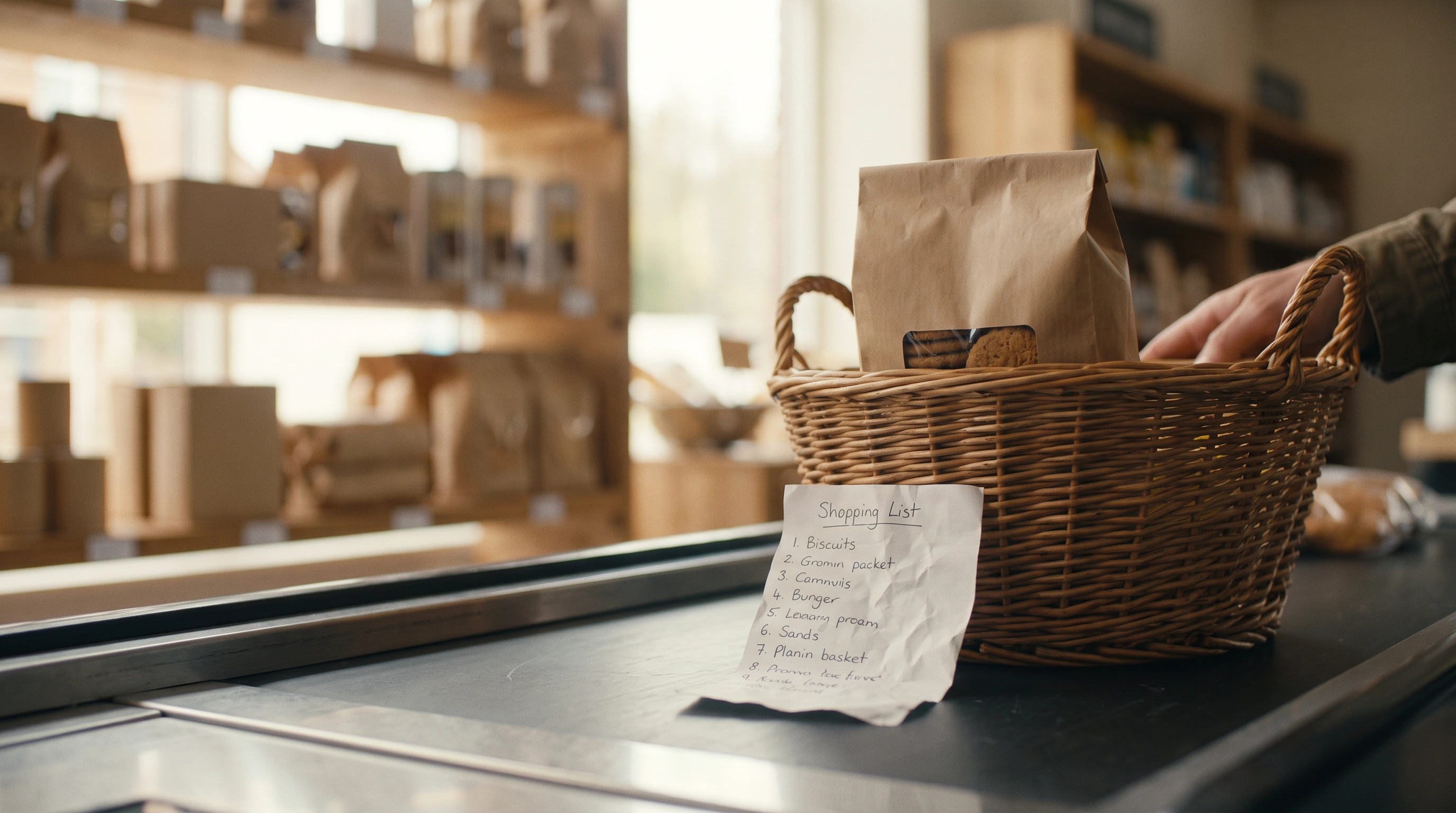
A grocery shop can now involve more stops and more calculation. Shoppers are spreading their spending across different store formats, trading down on brands and looking for savings as high food prices weigh on household decisions. An NIQ finding reported by FoodNavigator Europe puts food prices at the top of the concerns of 34% of consumers heading into 2027.[2]
That search for value begins at the shelf, but it reaches far behind it. Every familiar biscuit or basic food depends on manufacturing and distribution systems that must keep working under pressure. Pladis Global, the manufacturer of McVities, has appointed a new chief supply chain officer while pursuing a major transformation programme intended to strengthen its manufacturing and supply chain operations.[1] A senior appointment may sound distant from the weekly shop, yet its focus sits close to the practical question shoppers face: how reliably can food move from production to purchase?
In the Philippines, that question has acquired greater urgency. Aboitiz Foods is strengthening its supply chain operations and expanding production capacity as the country prepares for the potential effects of El Niño and continuing disruption in global markets. The company identifies proactive planning, coordination with suppliers and investment in local production as important to maintaining food availability amid climate-related and economic uncertainty.[3]
The pressure is measurable as well as prospective. Figures cited by Aboitiz Foods from the National Disaster Risk Reduction and Management Council say El Niño has affected nearly 451,000 people nationwide, with agricultural losses and damage reaching P6.5 million. PAGASA expects El Niño conditions to persist into early 2027, placing food producers under growing pressure to manage raw-material availability, production costs and distribution.[3]
There is no single adjustment that answers all of this. For households, seeking savings across stores is an immediate response to price pressure.[2] For producers, the corresponding work lies in planning, supplier coordination, local capacity and stronger operations.[1][3] The common thread is reliability: not merely whether food exists today, but whether the systems behind it can continue producing and distributing it through disruption. That makes resilience less of an abstract business ambition and more of a quiet condition of everyday access to food.
Yum Opinion: I think resilience matters most when it connects careful planning behind the scenes with food people can still afford to put in their baskets.