


Bee's Knees
Honey Gin Cocktail, Gin and Honey Sour

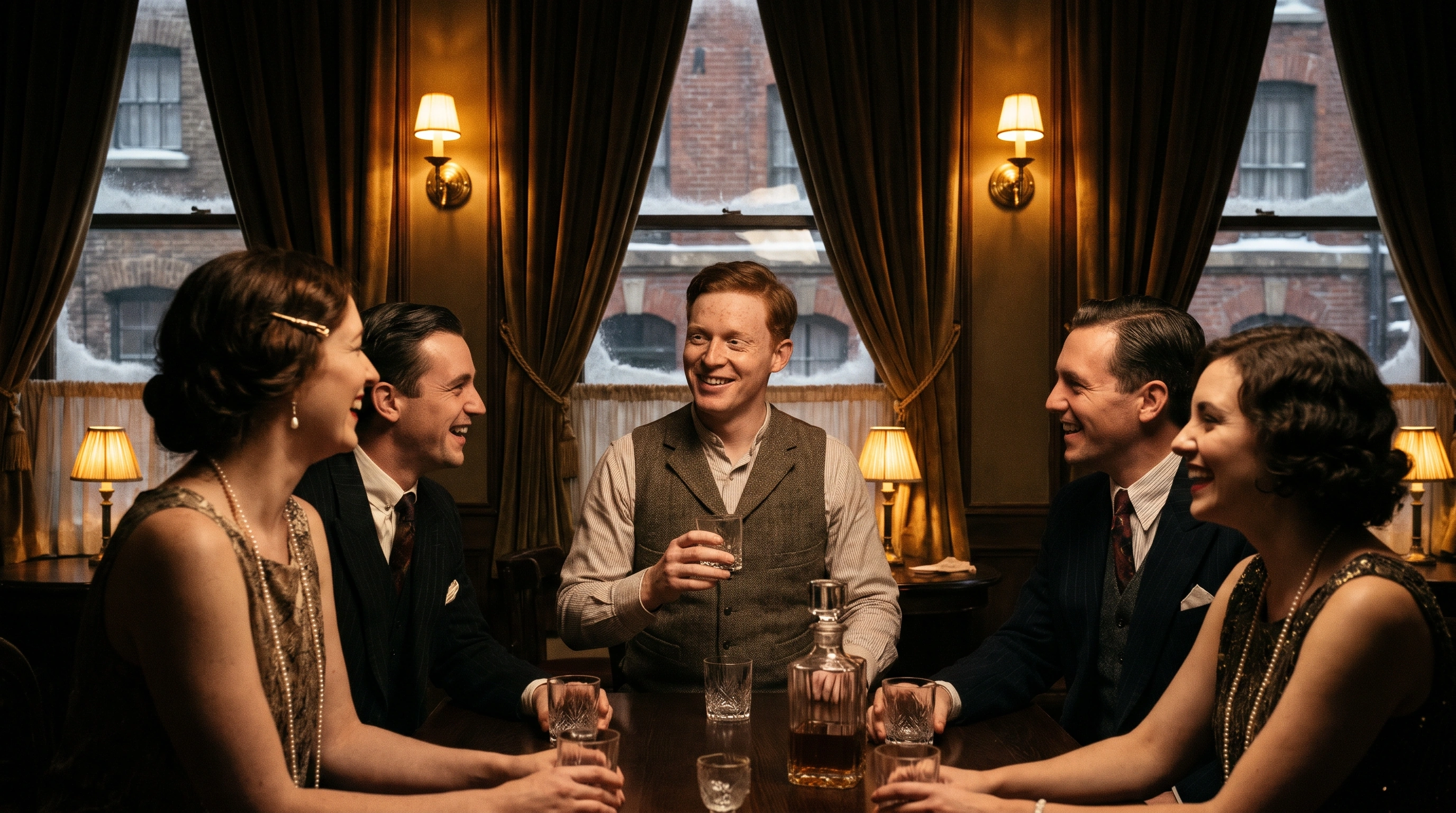
History behind the region and its food
The Bee's Knees emerged during the Prohibition era in the United States during the 1920s.
During this time, the production and sale of alcohol were illegal, leading to the rise of speakeasies. The gin available in these underground bars was often of poor quality, referred to as "bathtub gin," and possessed a harsh, unpleasant taste.
To mask the pungent flavour of low-grade spirits, bartenders began adding strong sweeteners and acidic components. Honey and lemon juice were ideal for this purpose, as they effectively covered the chemical aftertaste of illicit gin while creating a palatable and refreshing beverage. The name "the bee's knees" was a popular slang term of the era, meaning something was outstanding or the height of excellence.
As the cocktail culture evolved after the repeal of Prohibition, the Bee's Knees remained a staple for those who enjoyed a sweeter, more citrus-forward drink than the traditional Martini. It represents a creative solution to a historical constraint, turning a necessity of masking poor ingredients into a timeless culinary classic.
Today, the drink is enjoyed globally, often using high-quality craft gins that highlight the botanical layers rather than hiding them. It continues to be celebrated for its simplicity and its connection to the rebellious spirit of the Jazz Age. ■
Login or Register to comment