





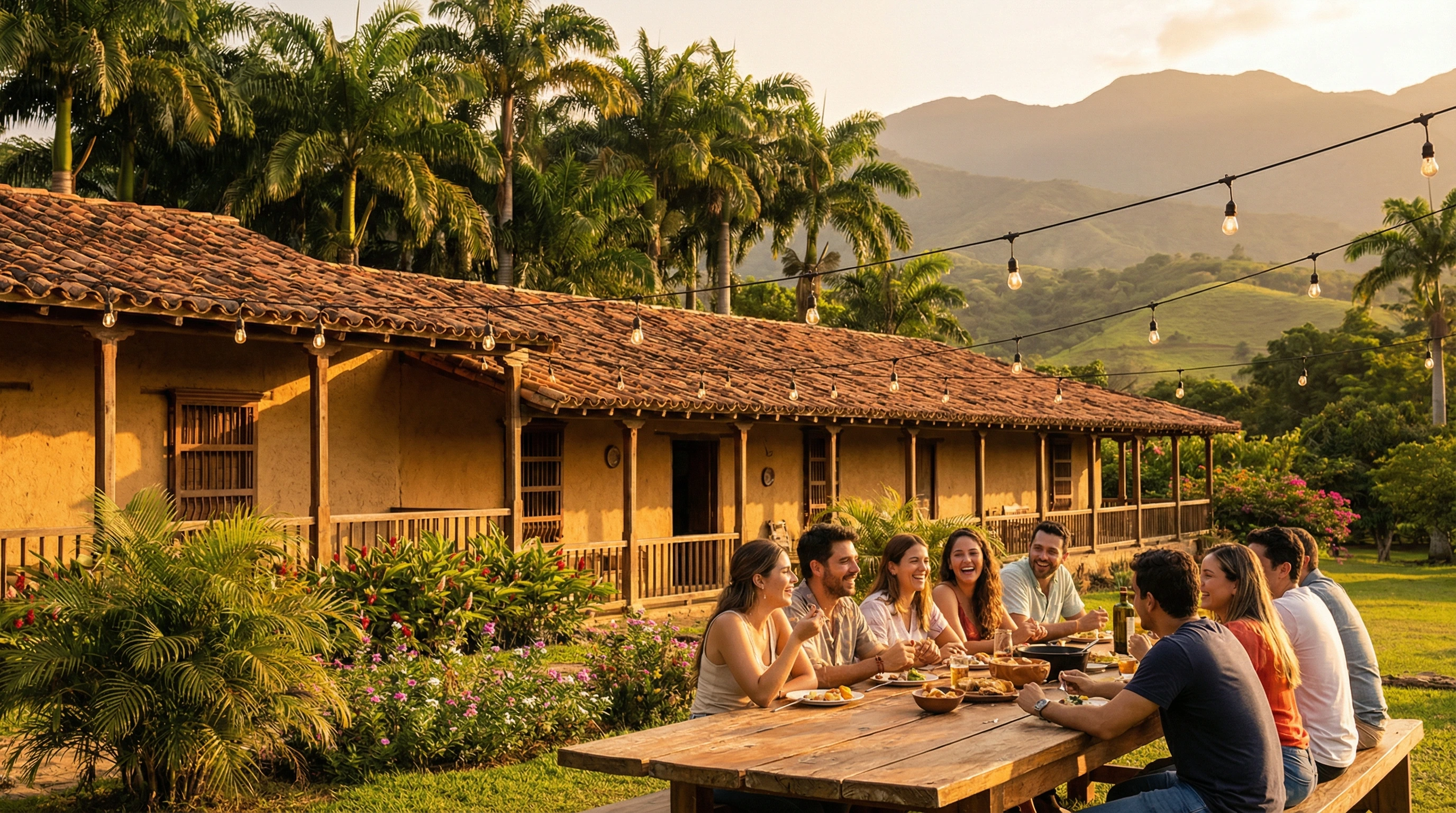
Where Geography Meets Gastronomy
Pabellón Criollo emerged during the colonial period in Venezuela, evolving from the culinary traditions of Spanish settlers, indigenous peoples, and African slaves.
The dish represents a fusion of these cultures, with the shredded beef (carne mechada) reflecting Spanish influence, the black beans showing indigenous roots, and the plantains representing African contributions. Originally, the dish was prepared with fresh beef from cattle ranching, which became central to Venezuelan agriculture from the 16th century onwards. The name "pabellón" refers to a pavilion or tent, possibly alluding to the colourful presentation resembling a flag, whilst "criollo" denotes the Creole or native-born population.
Over centuries, this combination solidified into the national dish, served across the country from humble homes to upscale restaurants. Each component carries symbolic weight - the white rice represents European influence, the black beans connect to indigenous agriculture, the shredded beef reflects livestock farming, and the sweet plantains add a tropical sweetness. The dish varies regionally, with some areas adding cheese or eggs, but the core quartet remains constant. It remains a staple at family gatherings and celebrations, representing Venezuelan identity and hospitality. ■

Login or Register to comment