

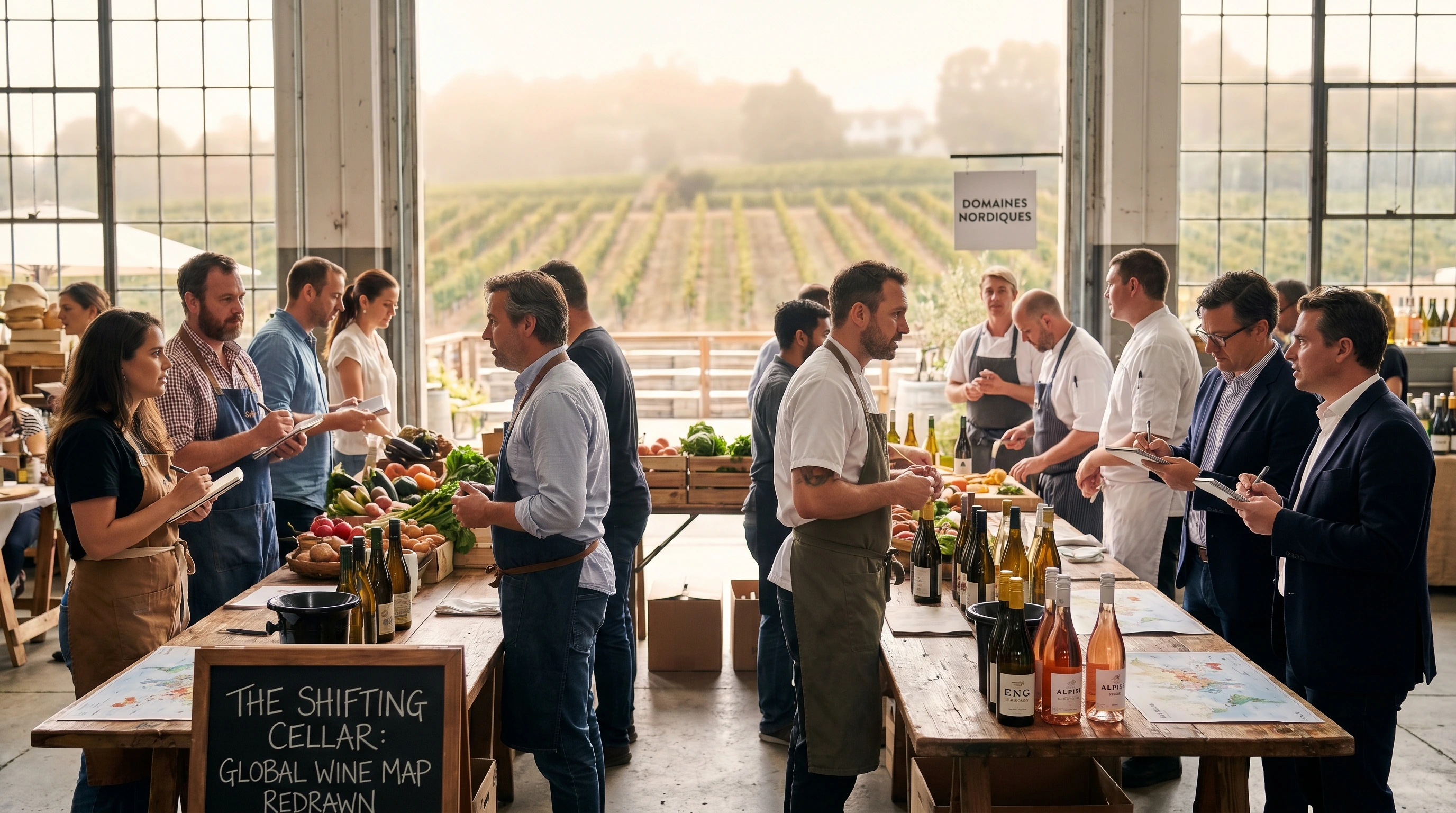

The traditional geography of the wine world is undergoing a profound transformation. For centuries, the prestige of a bottle was tied to a specific terroir, but as global temperatures rise, those boundaries are blurring. The most visible shift is occurring in Northern Europe, where English sparkling wine is no longer a novelty but a serious competitor. Producers such as Chapel Down and Nyetimber have secured international acclaim, winning major competitions against established Champagne houses. This success has led to a quiet but steady acquisition of English land by French producers seeking the cooler climates necessary for high quality bubbles.
While the north finds new opportunities, historic regions in the south are fighting to maintain their identity. In Bordeaux, the CIVB has taken the rare step of approving six new grape varieties for planting. This represents the first significant change to the region's permitted list in decades, a move specifically designed to help vineyards cope with hotter and drier conditions. The urgency is clear, as harvests in Bordeaux are now occurring up to three weeks earlier than they did in the 1980s.
The warming trend is also unlocking the potential of previously marginal zones. In the Alpine regions of Switzerland, Austria, and Northern Italy, winemakers are reporting quality improvements as temperatures rise. These high altitude areas, once too cold for consistent ripening, are becoming attractive alternatives for those seeking to escape the heat of the lowlands.
However, the transition is not without its casualties. In California, the traditional hubs of Napa and Sonoma are facing an era of extreme weather. Frequent wildfires and the resulting smoke taint have not only damaged crops but have driven up insurance costs, forcing some producers to look further north for stability. This volatility highlights the precarious nature of viticulture in an era of climate instability.
To combat these threats, some producers are looking backward to move forward. There is a growing movement to revive ancestral grape varieties. These nearly extinct vines, preserved in old vineyards, are being brought back because they possess a proven natural resilience to drought and heat that modern, high yield varieties lack.
The broader industry data suggests a complex struggle. According to BeverageDaily, the global vineyard area has seen a continuous contraction for six years, with a further 0.8 per cent decline in 2025. This shrinkage is a result of both falling consumption and the direct disruptions caused by climate change, suggesting that not every vineyard can successfully migrate or adapt.
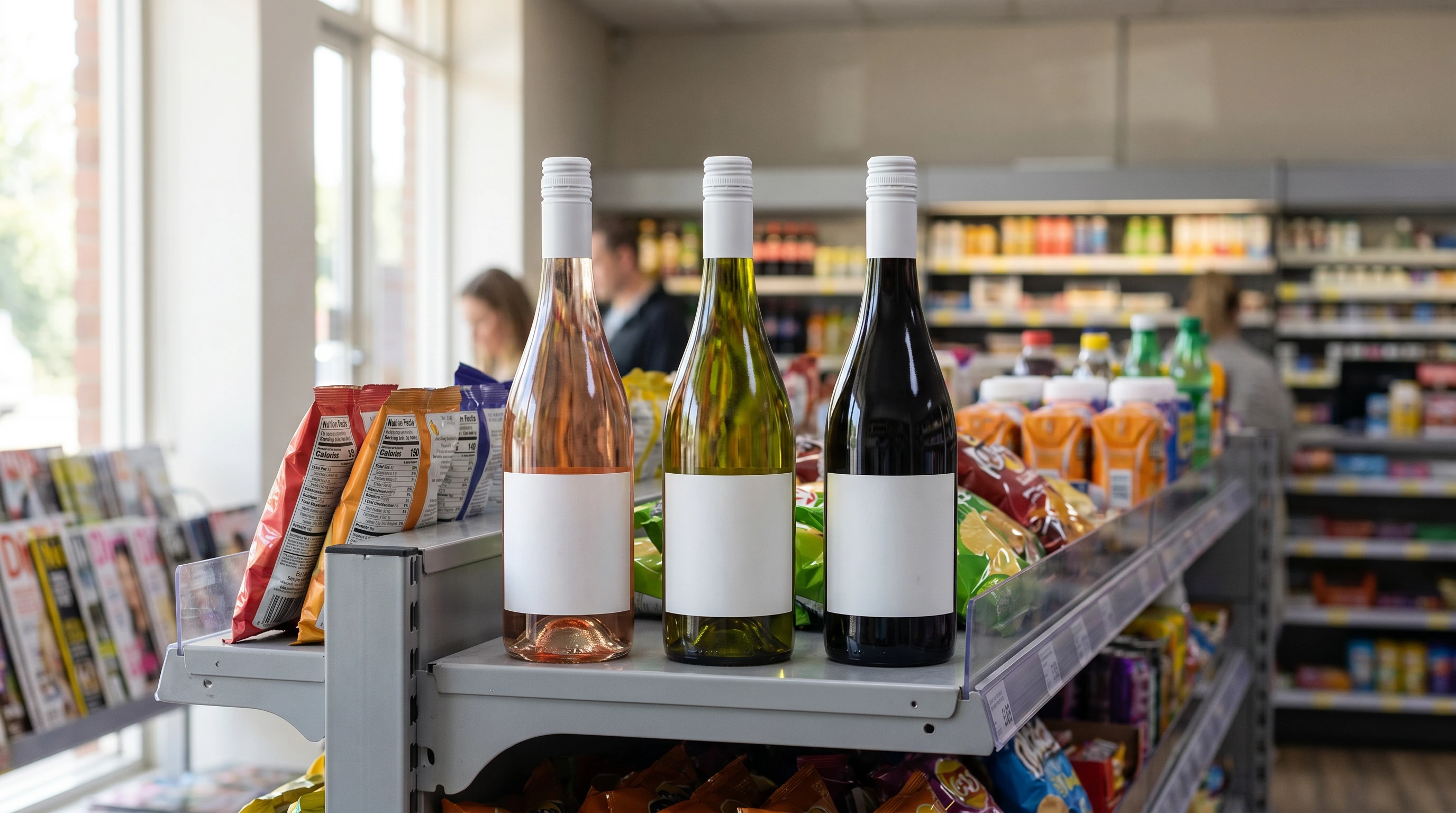
Despite these challenges, the market continues to evolve with new commercial entries. The Grocer reports the launch of Out of Office, a convenience exclusive brand featuring Chilean varieties. While such brands target a different segment than the prestige estates of Europe, they reflect the ongoing global movement of wine production and the search for viable growing regions.
Ultimately, the wine map is being rewritten in real time. The shift toward the poles and higher altitudes is more than a trend; it is a survival strategy. As the industry balances the preservation of tradition with the necessity of adaptation, the definition of a premium wine region is being fundamentally redefined by the thermometer.