


In an era where food-focused social media feeds are saturated with eye-catching mash-ups, diners are beginning to crave something deeper than a clever name on the menu. The story behind a plate-its geography, its lineage, its lived experience - is becoming the new currency of the restaurant world, and the shift is reshaping menus from New York to Kuala Lumpur.
Industry analysts now point to a surge in what they call "heritage cuisine": cooking that is rooted in a chef’s own cultural background, personal history and the techniques handed down through generations. Rather than borrowing flavours for the sake of novelty, chefs are digging into the pantry of their ancestors, sourcing genuine ingredients and presenting dishes that speak of a specific place and people. This approach is earning top accolades and drawing diners who want more than a fleeting Instagram moment.
One vivid illustration comes from Sabah, where a local chef has revived his grandmother’s century-old bubur yilik to mark the Kaamatan harvest festival. The humble rice porridge, traditionally flavoured with native herbs and served with a drizzle of coconut milk, had been at risk of fading into obscurity. By publishing the recipe and serving it in his restaurant, the chef not only preserved a family secret but also offered a taste of the region’s agrarian roots to a new generation of food lovers.
Such dishes do more than fill stomachs; they act as edible time machines. The ingredients-often sourced from nearby farms or wild foraging-tether the eater to the land, while the cooking methods-slow simmering, hand-grinding, open-fire roasting-echo the rhythms of a bygone era. Diners report feeling a sense of connection, as if they are sharing a story that has been whispered around kitchen tables for decades.
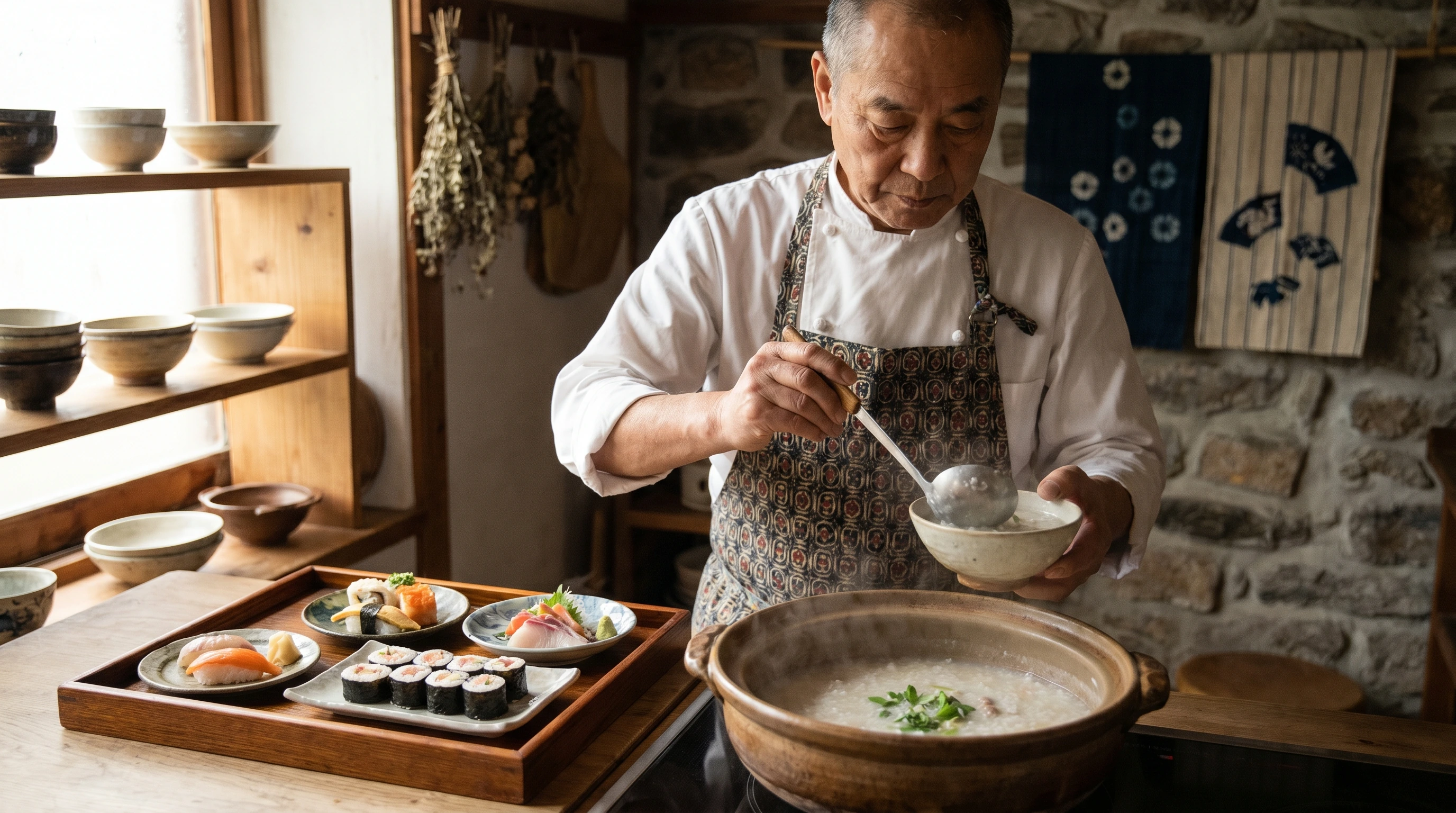
Half a world away, a Michelin-starred sushi bar in Montreal is championing the same philosophy. The restaurant’s founders, a Japanese-born chef and his Canadian partner, have recreated the exact rice preparation and fish selection techniques used in old-Tokyo sushi stalls. Their meticulous attention to the balance of vinegar, temperature, and grain texture has earned them the coveted star, proving that reverence for tradition can thrive even in a bustling, multicultural city.
Across continents, the trend is gaining momentum. From Southeast Asian bakeries experimenting with pandan to Indian craft brewers infusing ragi and mahua into their ales, the common thread is a return to locally sourced, culturally resonant ingredients. Consumers are increasingly skeptical of fusion that feels forced, opting instead for menus that tell an authentic story. Restaurants that embrace this ethos are finding a loyal clientele willing to pay a premium for dishes that honour their origins.
Yum Opinion: the heritage cuisine movement safeguards culinary knowledge, supports regional producers and enriches the cultural tapestry of our dining tables, ensuring that the flavours of the past continue to inspire the plates of the future.