


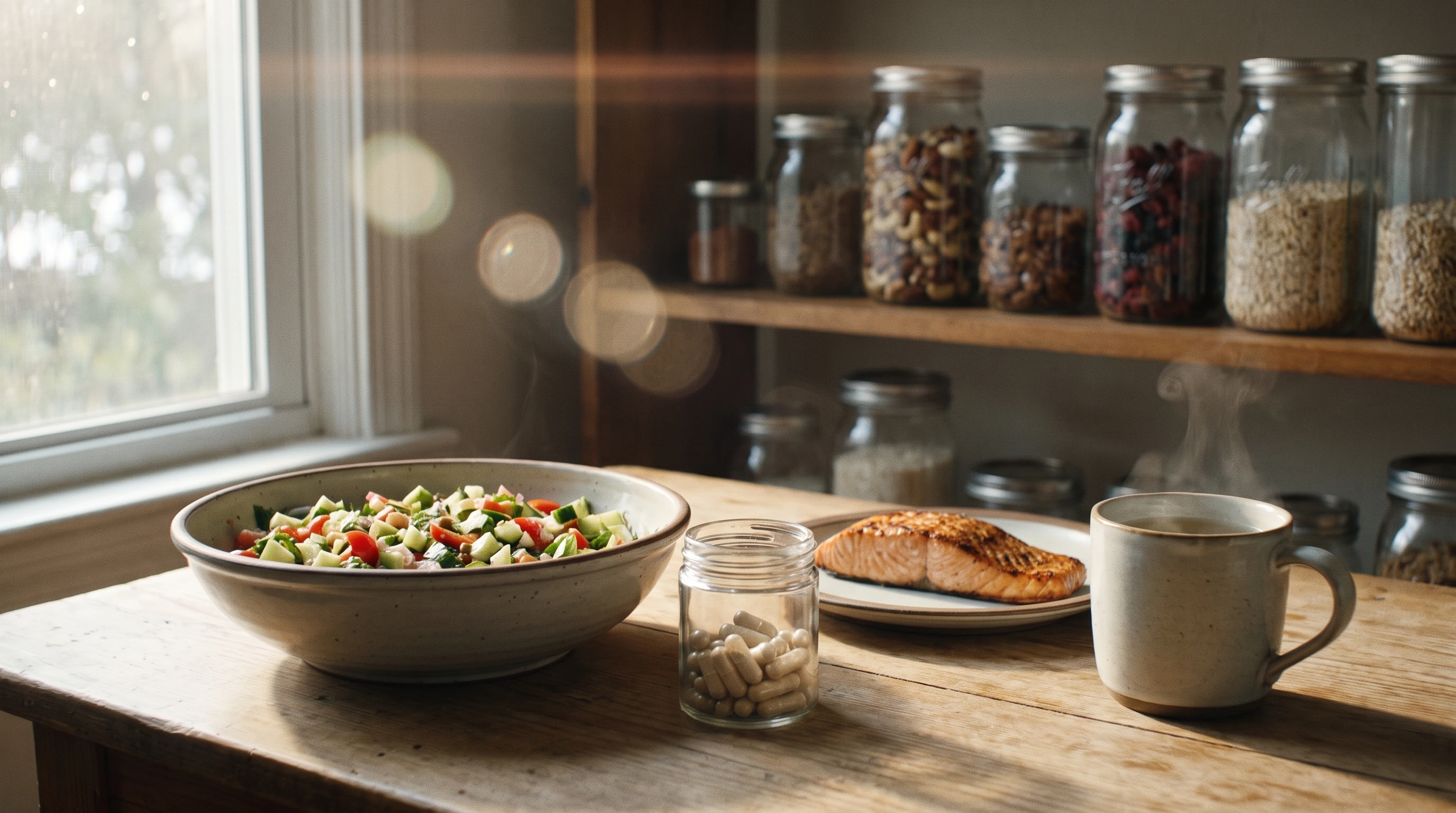

When you reach for a bowl of oily fish or a colourful salad, you may be doing more than feeding your stomach-you could be nurturing the neural pathways that govern mood. A growing body of evidence, highlighted in a recent MDPI review, maps out how diet influences the gut microbiome, which in turn communicates with the brain via the vagus nerve, immune signals and short-chain fatty acids. This gut-brain axis, once a metaphor, is now recognised as a biological highway that can modulate anxiety, depression and cognitive function.
One of the most compelling dietary patterns emerging from the literature is the MIND diet - a hybrid of Mediterranean and DASH principles. A systematic review published in BMC Nutrition this June examined observational and interventional studies and found that higher adherence to the MIND regimen was consistently associated with lower scores of depression, stress and anxiety. The authors argue that the diet’s emphasis on leafy greens, berries, nuts and fish supplies nutrients that support neuroplasticity and reduce inflammatory markers, both of which are implicated in mood disorders.
Beyond whole-food patterns, specific nutrients are gaining attention for their mental-health benefits. Omega-3 fatty acids, abundant in oily fish and algae, have the strongest evidence base among nutritional adjuncts for depression. Multiple meta-analyses, including those catalogued by the Cochrane Database, report modest but reliable improvements in depressive symptoms when omega-3 supplements are added to standard care. The mechanism appears to involve the provision of essential precursors for neurotransmitters such as serotonin and dopamine.
Probiotics are another frontier where gut health meets emotional wellbeing. Recent reports from Knowridge and Nutrition Insight describe a daily probiotic formulation that reduced depressive and anxiety scores in older adults over a twelve-week trial. Researchers attribute the effect to the restoration of a balanced microbial community, which can influence the production of neuroactive compounds like gamma-aminobutyric acid. While the findings are early, they echo a broader trend: the microbiome is being recognised as a modifiable factor in mental health, especially for vulnerable populations.
Even pharmaceutical interventions for weight loss are intersecting with the gut-brain narrative. An article in Psychology Today outlines animal studies where GLP-1 agonists such as Ozempic altered gut microbial composition and, in turn, alleviated depression-like behaviour in mice. The effect vanished in germ-free specimens, underscoring the pivotal role of microbes. Although human data remain limited, the observation that a drug designed for metabolic control may also lift mood adds a fascinating layer to the conversation.
Conversely, the dark side of modern diets is becoming clearer. A Canadian study reported in SciTechDaily linked high consumption of ultra-processed foods in preschoolers to later emotional and behavioural challenges, including anxiety and aggression. The researchers warn that early exposure to additives, refined sugars and low-fiber products may disrupt the developing microbiome, setting a trajectory for poorer mental health later in childhood. This underscores the importance of establishing wholesome eating habits from the earliest years.
Across these strands - from Mediterranean-style plates to targeted probiotics and even weight-loss drugs - the message for home cooks is both simple and profound: the foods we choose can act as medicine for the mind. By prioritising fibre-rich vegetables, omega-rich fish, fermented foods and minimally processed ingredients, we not only nourish our bodies but also feed the microbial allies that help regulate our emotions. As research continues to untangle these connections, the kitchen may become the most accessible clinic for mental resilience.
Yum Opinion: Embracing a gut-friendly diet is a delicious way to support mental health, and the evidence is finally catching up with the intuition of generations who have long known that a happy belly makes for a happy mind.