

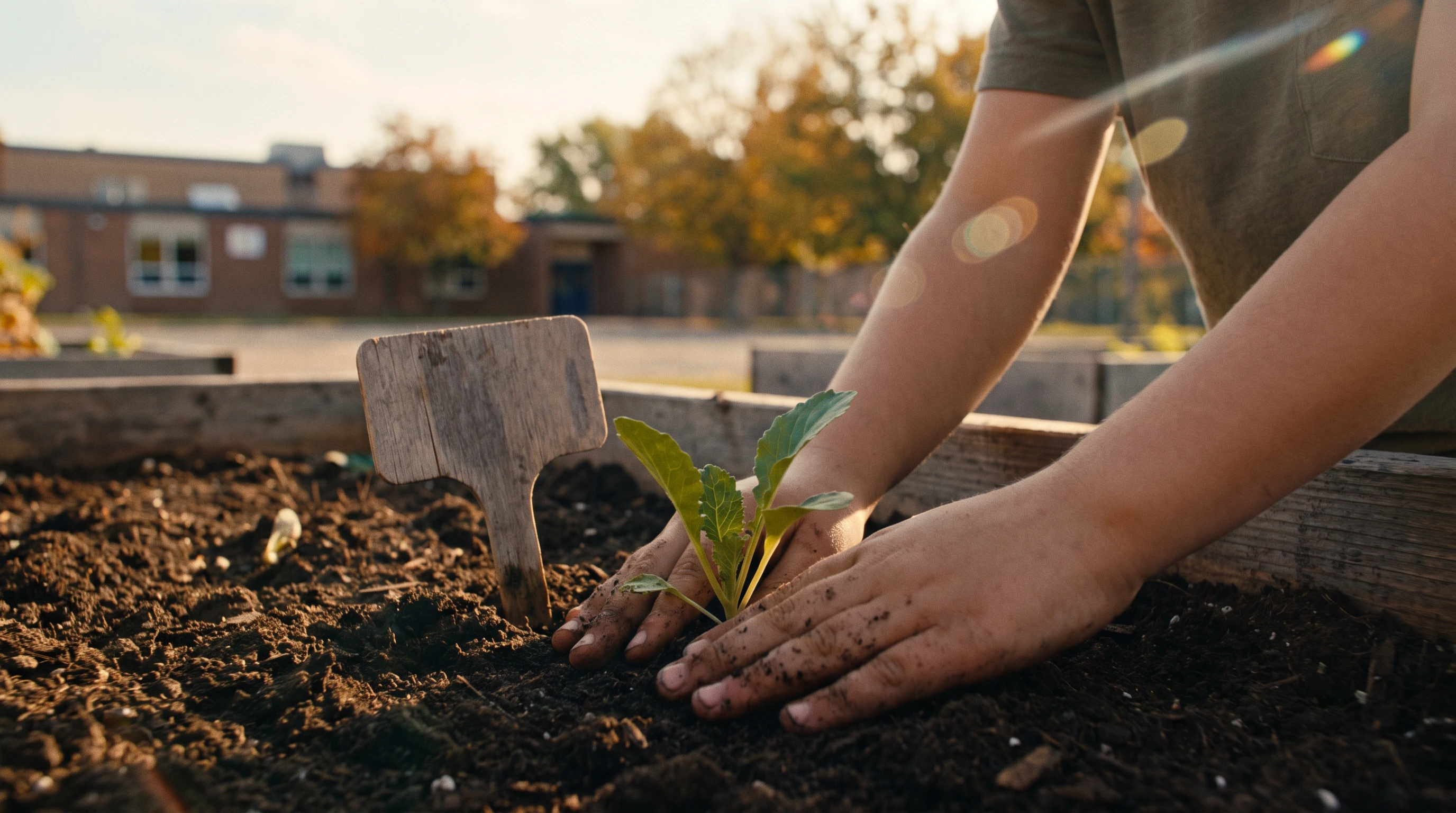
In a school garden, children do not merely hear where fruit and vegetables come from. FoodPrints students plant, tend, winterise and harvest what grows there, turning the garden into a place where practical work can foster confidence, pride and a sense of ownership. During October’s Farm to School Month, that everyday participation offers a useful image of food as something people can help shape, rather than simply receive [1].
That connection can widen beyond the garden gate. SHEF Food + Wine was scheduled to return to EpicCentral in Grand Prairie from 9 to 11 October for its third run, with its largest guest list yet: more than 40 chefs, restaurateurs, television personalities and other culinary figures. North Texas participants were set to receive substantial billing alongside nationally known guests, giving the festival a distinctly local stake even as its reach expanded [2].
Gardens and festivals show the confidence and pleasure that can gather around food. Yet a food community also depends on less celebratory places: the small shops where somebody can pick up milk or eggs at short notice. In New York City, bodegas often fill that role in neighbourhoods overlooked by traditional supermarket chains. Their importance is precisely what makes the latest pressure on them so consequential [3].
About 26,500 New Yorkers recently lost access to Supplemental Nutrition Assistance Program benefits under new federal work requirements linked to H.R. 1. For many affected people, the change means roughly $200 less each month for food. Francisco Marte, president and founder of the Bodega and Small Business Group, said SNAP purchases generally represent 15% to 20% of a bodega’s revenue, depending on the local number of recipients; some owners are now worried about whether their shops can survive [3].
The thread running through these places is participation. A child caring for a garden learns that food has a living beginning. A regional festival gives cooks and diners a larger meeting ground. A bodega keeps basic groceries within reach. None serves the same purpose, but each becomes meaningful through repeated human use.
That makes the present moment more than a collection of October dates. It is an invitation to notice the structures around a meal: who can grow food, who gets to gather around it and whether a trusted neighbourhood shop can remain open. Food culture is brightest when it creates pride and wonder, but its quieter strength lies in access, the chance to take part at all.
Yum Opinion: I think we understand food culture more honestly when we value the everyday places that make participation possible, not only the occasions that celebrate it.