




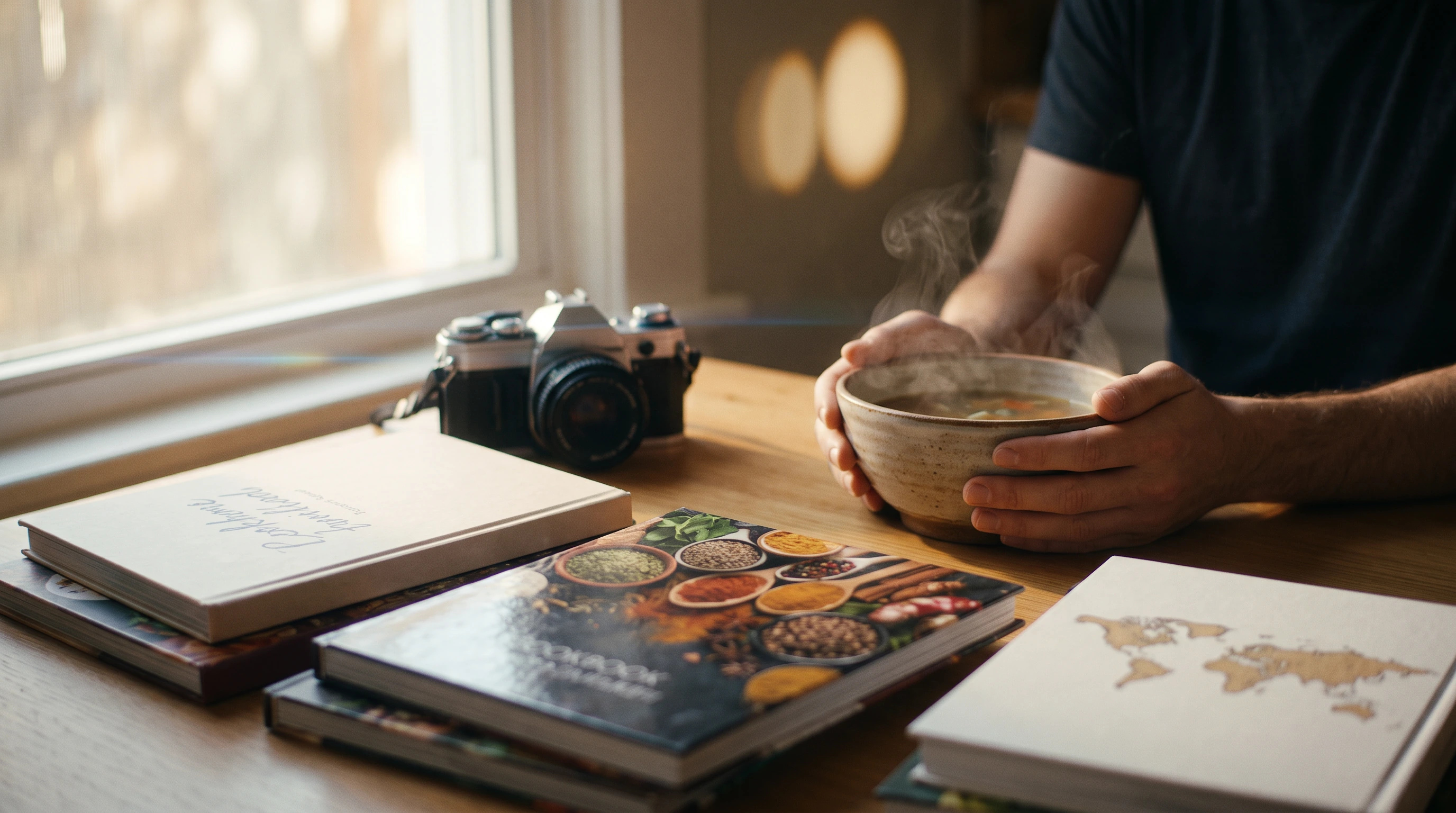
In the past decade the printed cookbook has stopped being a simple how-to guide and has begun to function as a cultural document. Publishers, award juries and collectors now treat a new volume as a snapshot of identity, migration and memory as much as a collection of dishes. This shift is reflected in the way critics describe books not merely by their technique but by the stories they preserve, from family rituals to the politics of diaspora. As the market bifurcates between celebrity-driven best-sellers and niche memoirs, the cookbook’s role as a historical artefact has become unmistakable.
The Jewish culinary scene illustrates the change vividly. A recent analysis on Ceritakuliner notes that modern Jewish cookbooks have moved beyond the familiar bagel-centric fare to high-concept works that interrogate what it means to be Jewish today. Authors weave kashrut, migration routes and personal belief into recipes, turning a latke into a dialogue about heritage. The piece highlights a tension: while some readers cherish the authenticity of preserved Ashkenazi dishes, publishers are also eager to package identity as lifestyle, risking a commodification of culture that can feel both empowering and uneasy.
The memoir-style cookbook pushes that dialogue further. Curationedit describes how writers such as Ella Quittner open a chapter with a memory rather than a list of ingredients, inviting readers to taste the emotion behind the dish. By positioning the kitchen as a space for reflection, these books ask why certain flavours linger and how taste becomes a language of memory. The format blurs the line between food writing and literary nonfiction, turning a recipe page into an archival document that records personal history alongside culinary instruction.
The James Beard Foundation’s recent shortlist underscores how the industry is rewarding such cultural storytelling. BellaNaija reported that Ozoz Sokoh, known as Kitchen Butterfly, became the first Nigerian author to win a Beard award, a milestone that validates West African food as a subject worthy of scholarly and popular acclaim. Sokoh’s book blends oral histories, regional ingredients and contemporary techniques, presenting Nigerian cuisine as a living archive rather than an exotic curiosity. The accolade signals a broader move by award bodies to recognise cookbooks that act as identity documents for under-represented communities.
Academic research adds another layer to the conversation. A study published in Food, Culture & Society examined manuscript cookbooks from the Czech-Bavarian borderland, showing how women used handwritten collections to preserve family recipes and social rituals while navigating shifting political borders. The authors argue that these portable texts performed a heritage-management function, safeguarding culinary knowledge during periods of displacement. Though centuries old, the manuscripts operate much like today’s self-published memoirs, proving that the cookbook’s role as a vessel for communal memory is not a new phenomenon but a longstanding tradition.
Global travel narratives are now entering the same space. The Detroit News interviewed Jessica Nabongo, the first Black woman to visit every recognised country, about her forthcoming cookbook ‘Catch Me in the Kitchen’. The volume will feature 195 recipes, one for each nation she explored, each accompanied by a short anecdote that maps personal experience onto geography. Nabongo frames the project as a way to translate her wanderlust into a tangible archive, allowing readers to taste the world without leaving their kitchen. Her approach mirrors the memoir trend while expanding it to a planetary scale.
Together these examples illustrate why cookbook awards such as James Beard and André Simon now spotlight works that function as literature, identity documents and heritage artefacts. While digital-first platforms and subscription services challenge the primacy of print, collectors continue to chase first editions of seminal titles, and auction houses fetch high prices for historic volumes. The bifurcated market-celebrity titles on one side, deeply personal cultural memoirs on the other-suggests that the printed page remains the most credible medium for preserving culinary identity.
Yum Opinion: Cookbooks have become the most democratic museums of taste, inviting every reader to curate their own cultural exhibition.