




Baked Salmon with Olive Tapenade
Saumon au tapenade, Salmone al forno con olive
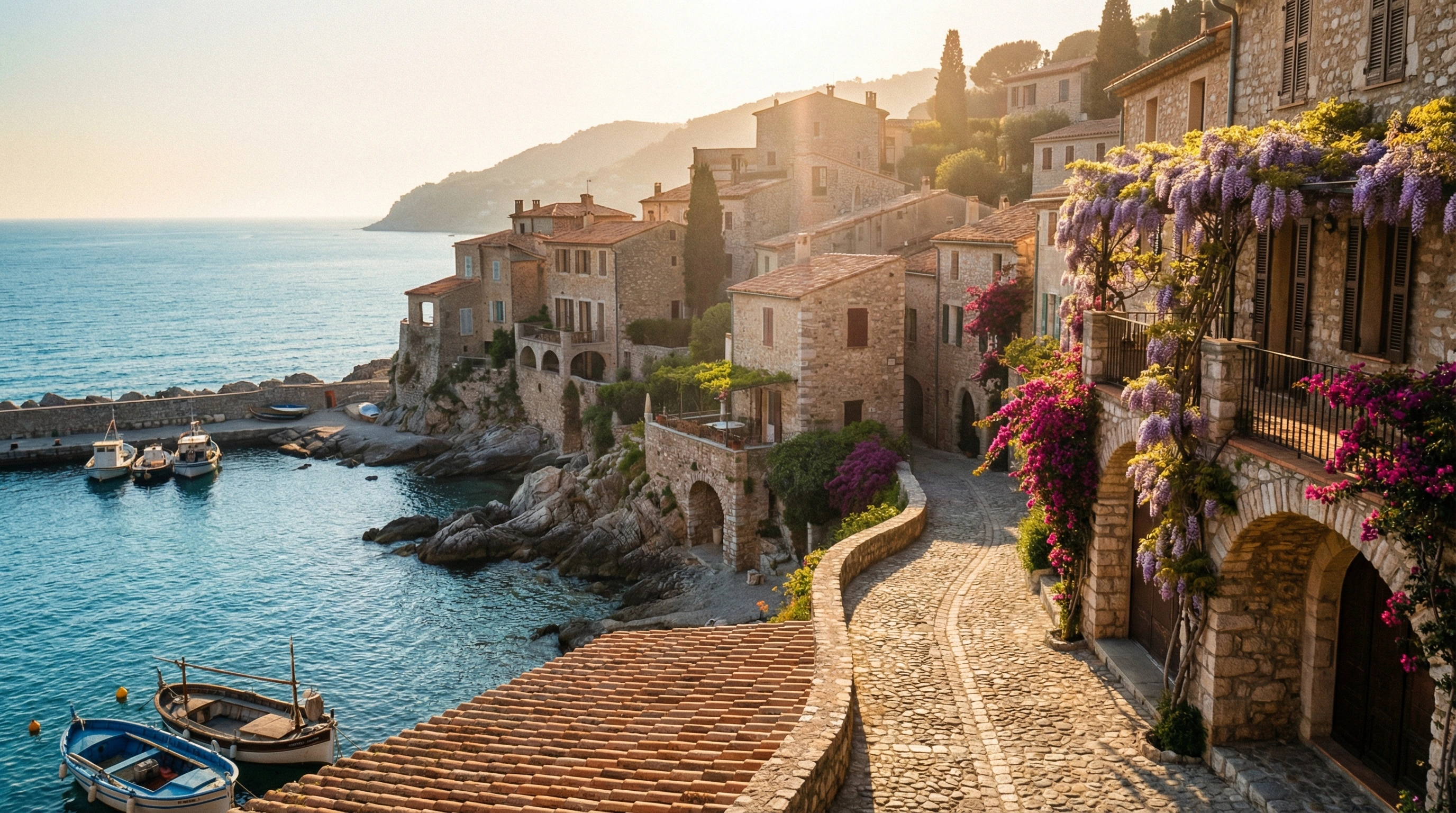
Where Geography Meets Gastronomy
French and Italian coastal regions share intertwined culinary history through proximity, political unions, and continuous cultural exchange along the Ligurian coast and Côte d'Azur.
Ancient Ligurian peoples inhabited both sides of the border before Roman conquest unified the region. Medieval Genoa's maritime republic controlled both areas, establishing trade routes and ingredients. The House of Savoy's control of Piedmont and Nice (until 1860) maintained culinary connections. Provence and Liguria share fundamental ingredients - olive oil, garlic, tomatoes, herbs (basil, thyme, rosemary), anchovies, and seafood - creating nearly indistinguishable coastal cuisines.
Dishes like pissaladière/piscialandrea (onion tart), ratatouille/ratatuja, and bouillabaisse/ciuppin fish stews exist on both sides with slight variations. Both regions claim origins of pesto/pistou and focaccia/fougasse. Catherine de' Medici's marriage to French King Henry II (1533) brought Italian Renaissance cooking to France, though her actual influence remains debated. Escoffier, born in Nice, codified French haute cuisine while maintaining Mediterranean roots. Modern fusion celebrates this shared heritage - Nice's socca/farinata chickpea pancake, salade niçoise's Italian elements, and Menton's citrus traditions bridging both countries. The cuisine represents Mediterranean cooperation rather than competition, with the border being more administrative than culinary. ■
Yum User contributed this on 21 Feb 2026
Login or Register to comment