





The recent closure of the Strait of Hormuz due to war in Iran has caused crude oil prices to rise exponentially. This volatility creates significant challenges for energy-dependent industries, including the food sector.
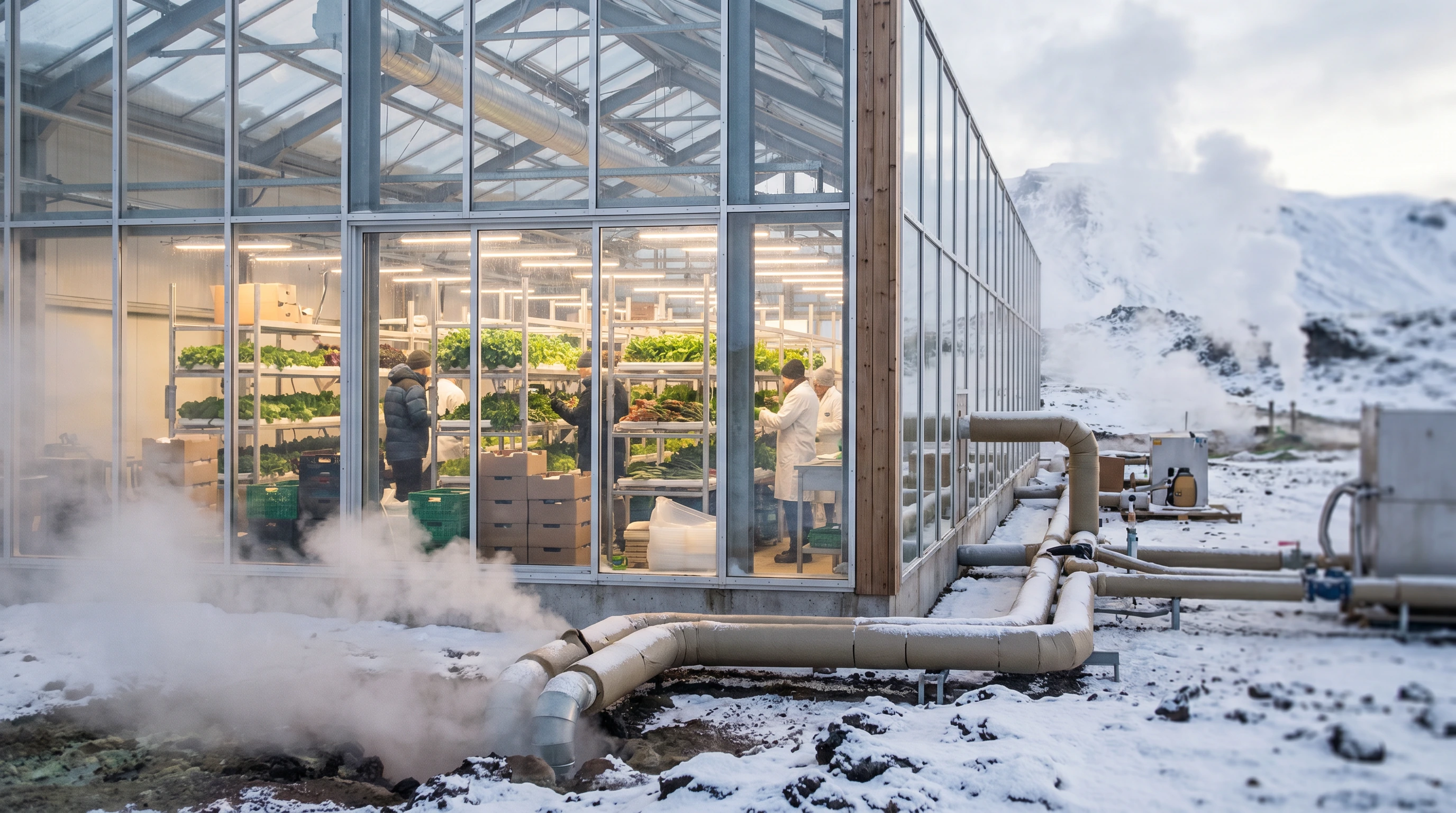
According to FoodNavigator Europe, sourcing renewable energy locally reduces exposure to such international instability. Iceland serves as a primary example, utilising geothermal energy for 90 percent of its heating and 30 percent of its electricity.
This abundance of geothermal power supports energy-intensive food production, such as vertical farming. Additionally, it provides essential heating for greenhouses, allowing a large portion of the country's food to be grown despite a harsh climate.