





 Ingredient
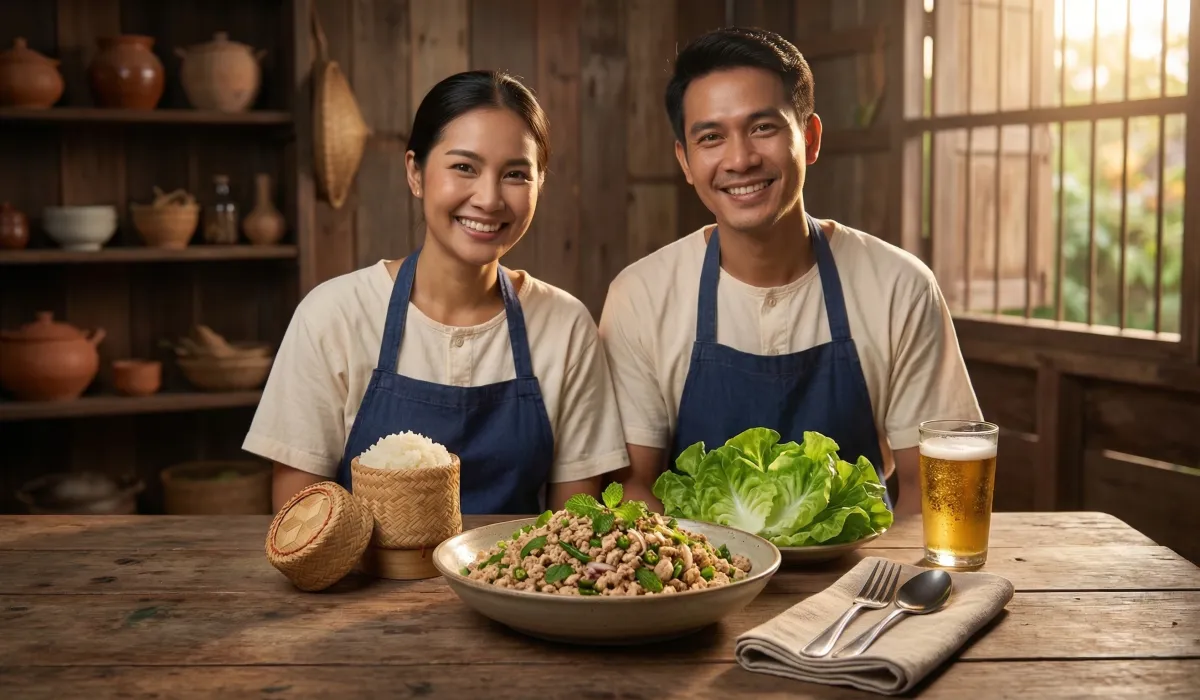

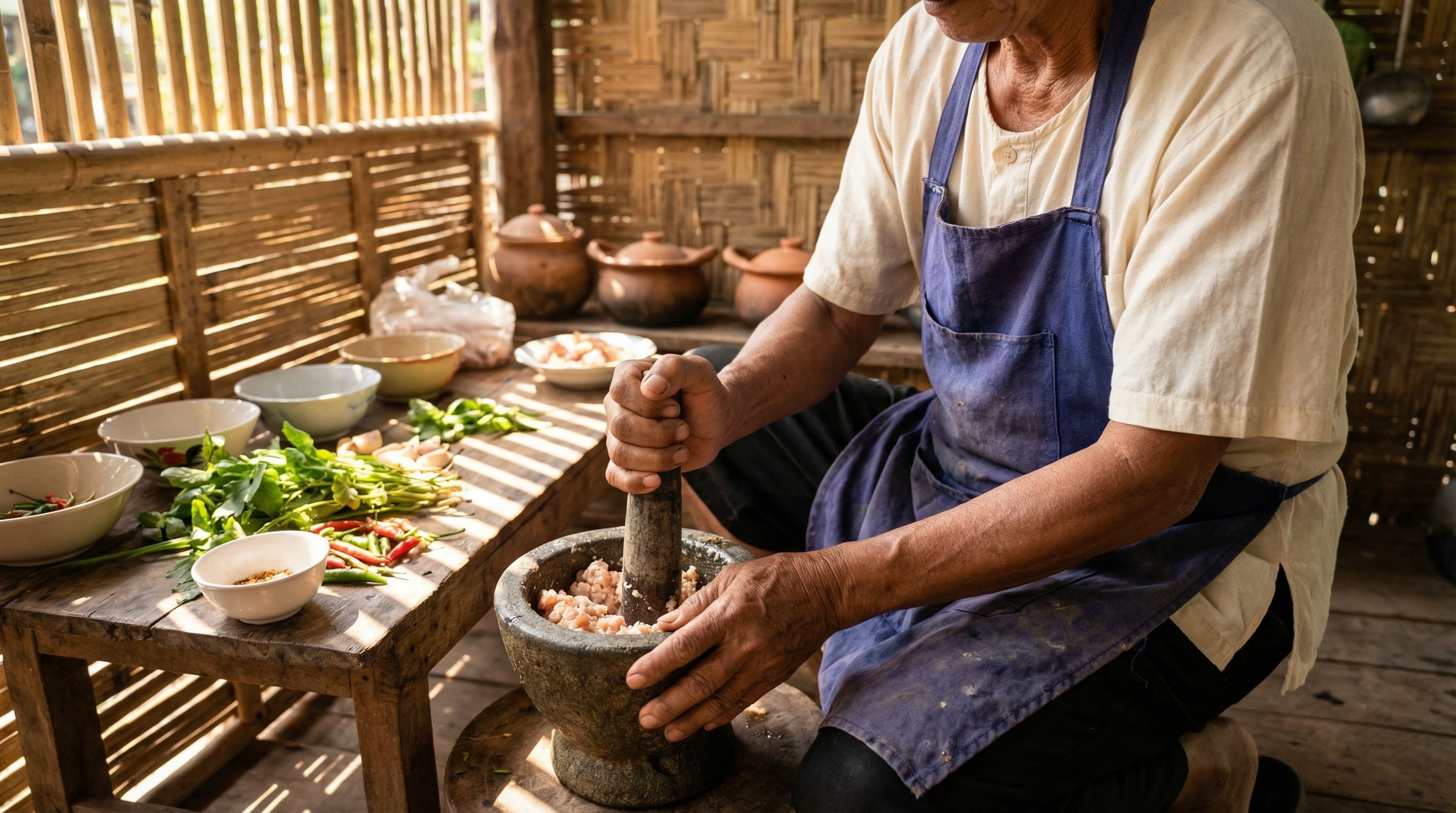
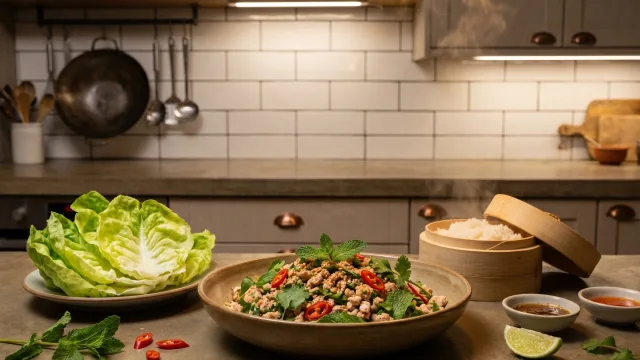
In the northeastern Isan region of Thailand, larb gai emerges from humble market stalls as a masterclass in contrast. The dish relies on the immediate chemistry between searing-hot wok-cooked chicken and the cooling slap of lime, fish sauce, and handfuls of fresh herbs. This is food designed for sticky fingers and communal tables, where lettuce leaves become edible spoons and every bite carries a different ratio of spice to sweetness.
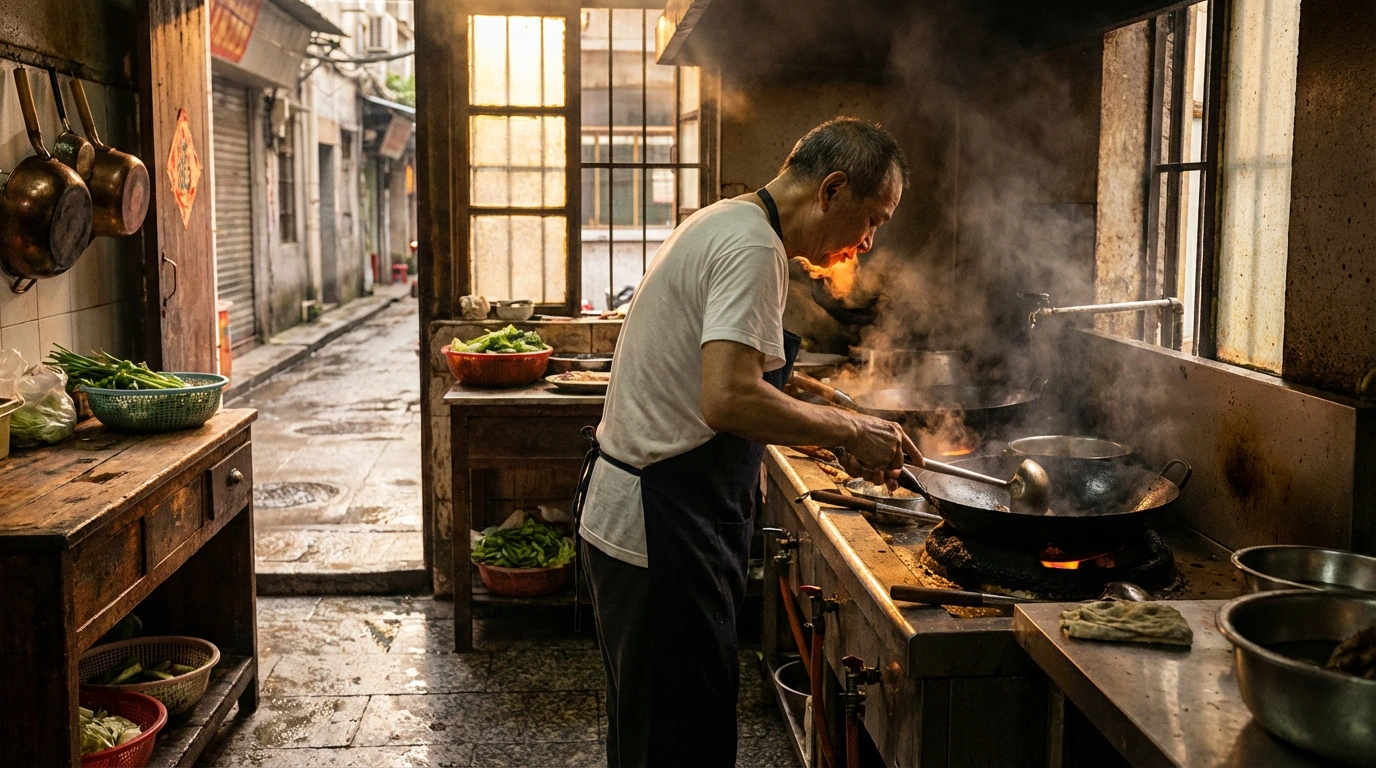
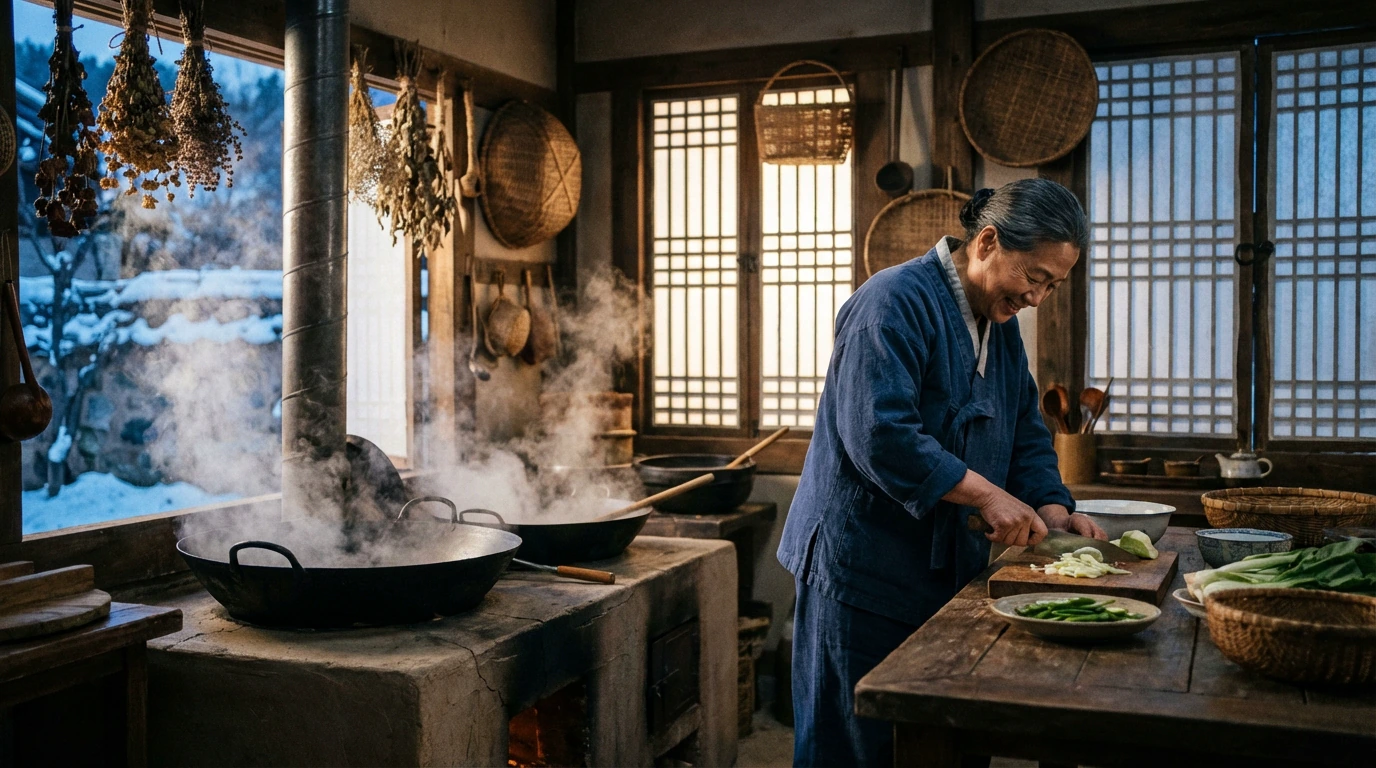
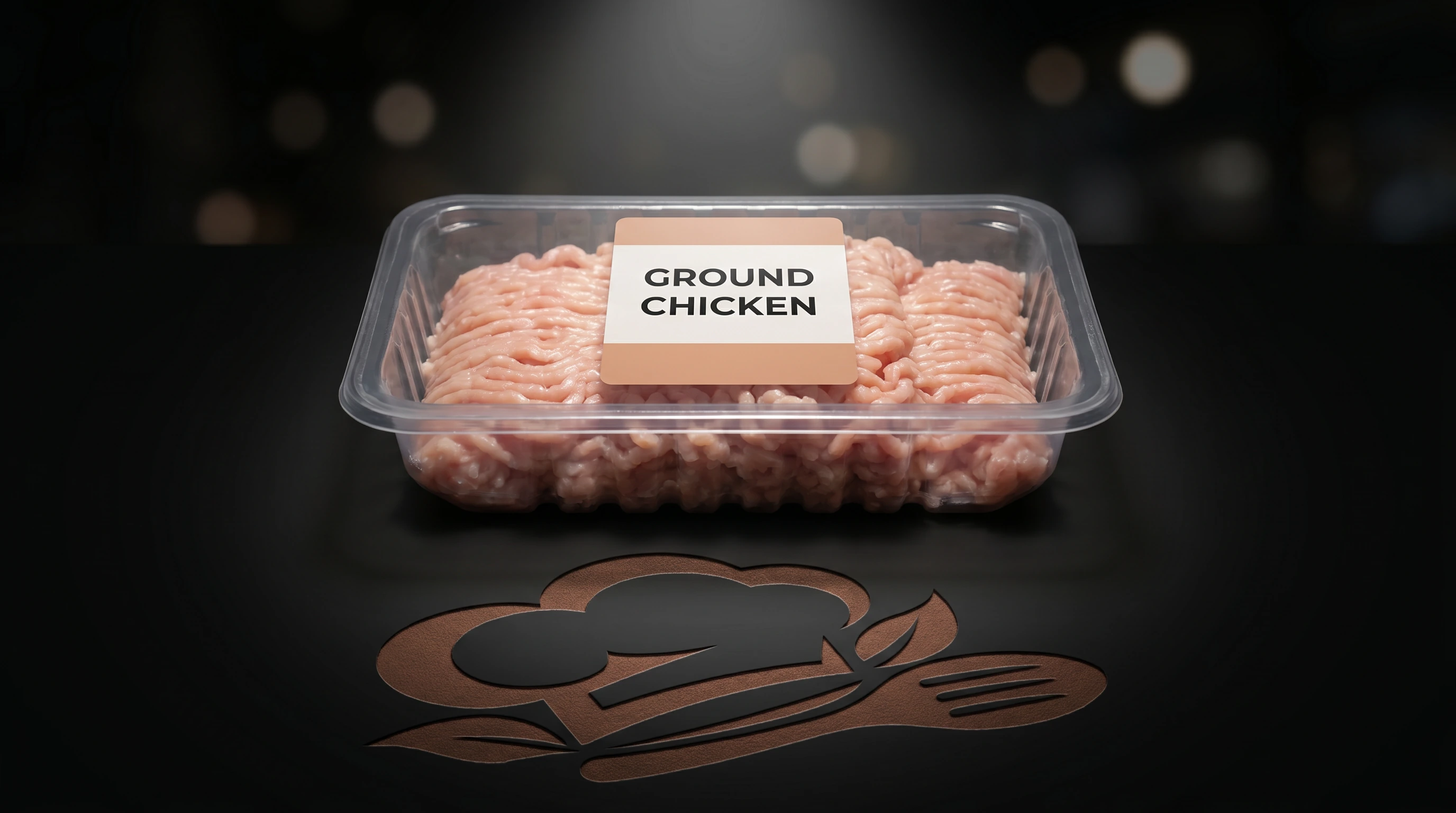
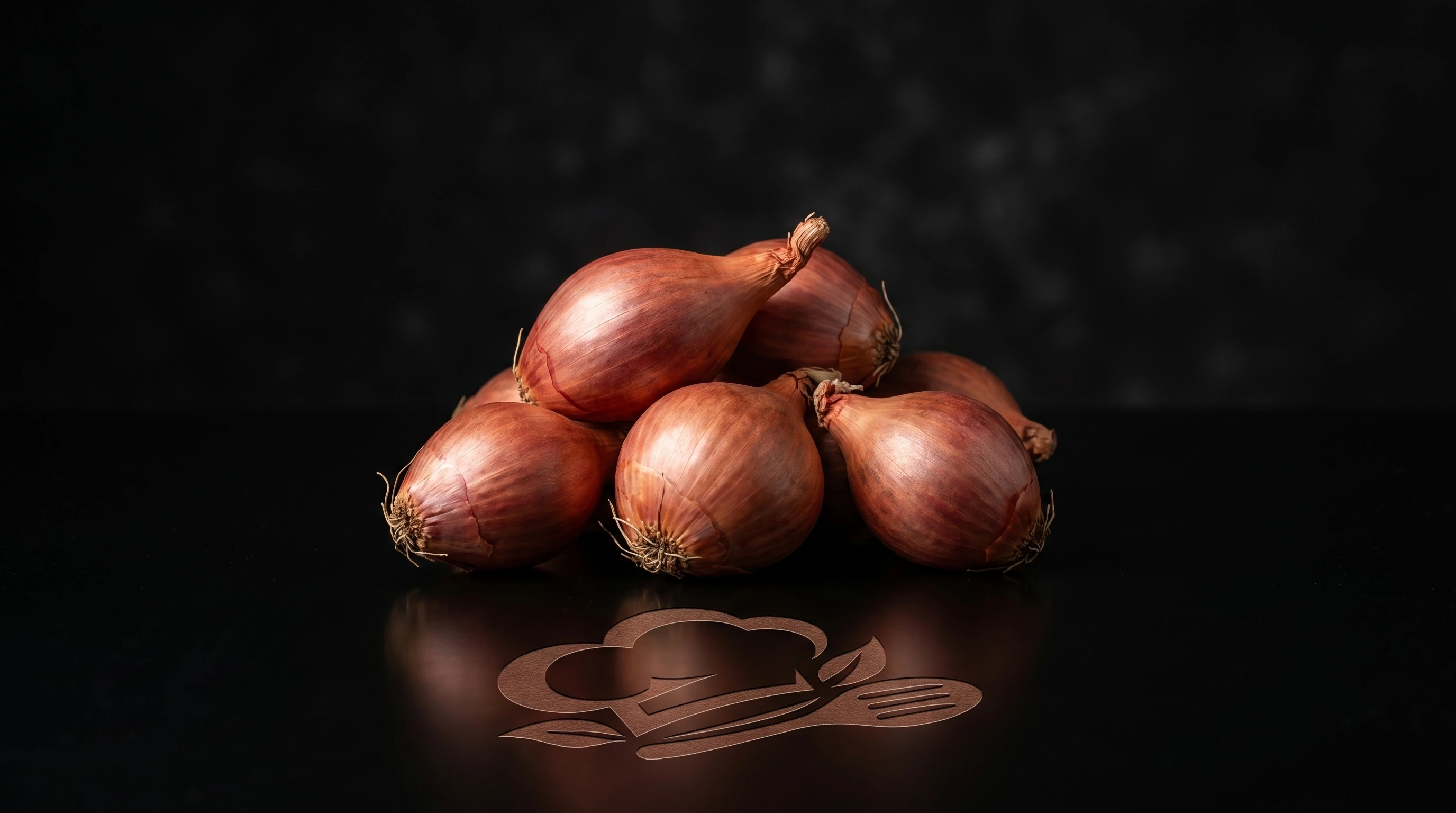
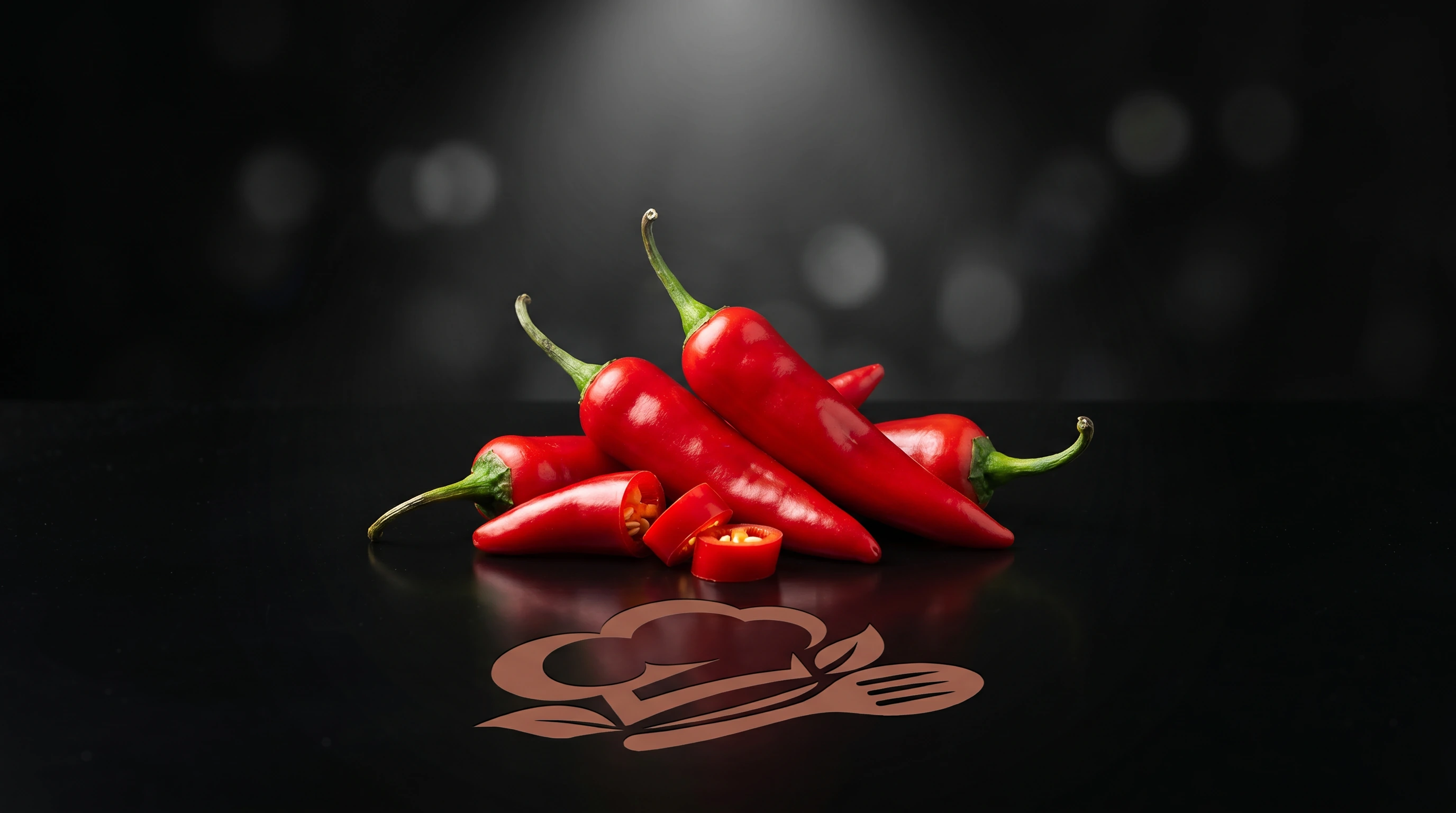
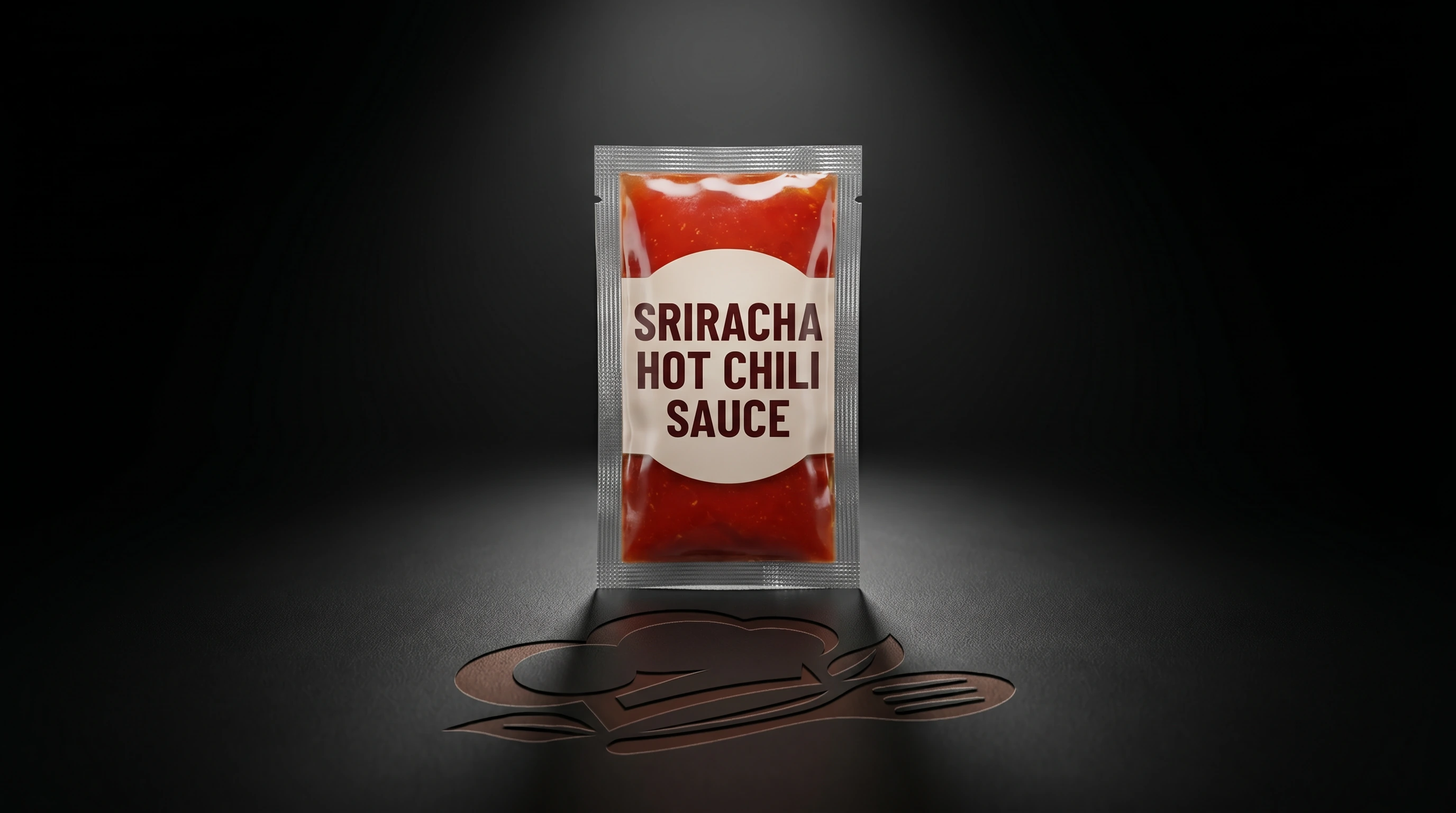
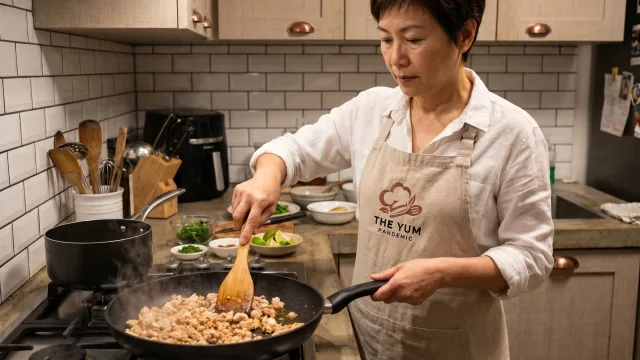
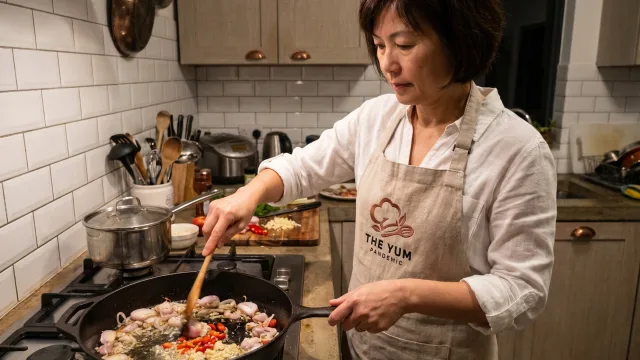
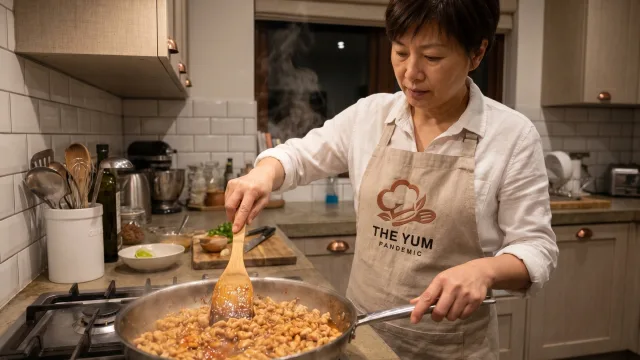
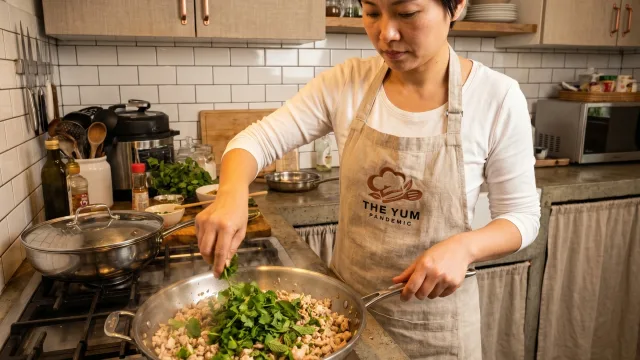
The technique is deliberately unfussy. Ground chicken crumbles in a hot skillet until it surrenders its moisture and begins to brown at the edges. Shallots soften in the rendered fat, carrying the heat of fresh chillies and garlic into the protein. What transforms this from simple stir-fry to larb is the dressing added off the heat - lime juice and fish sauce in aggressive proportion, brown sugar rounding the sharp corners, Sriracha lending slow-building warmth.
The Herb Moment
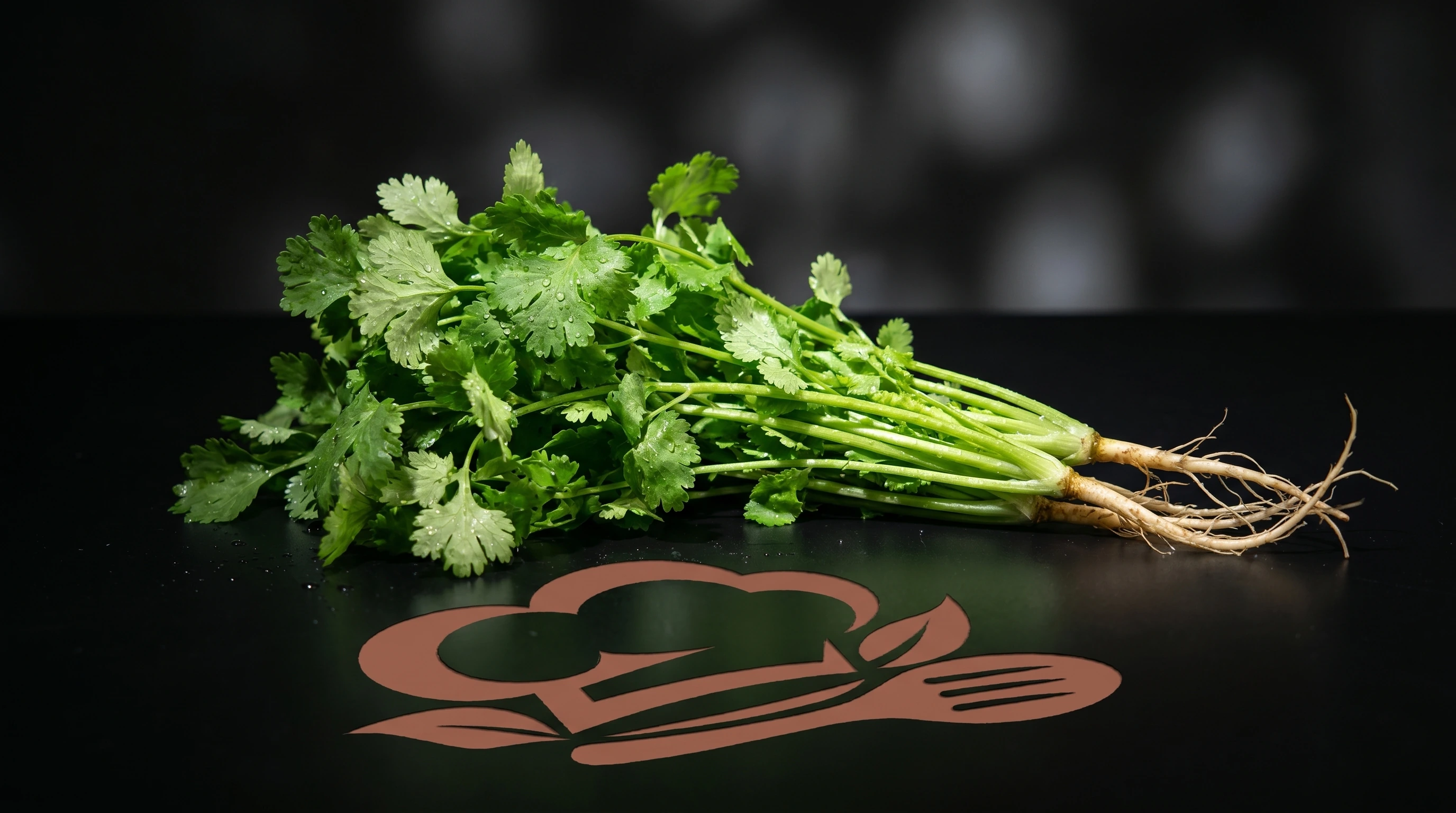
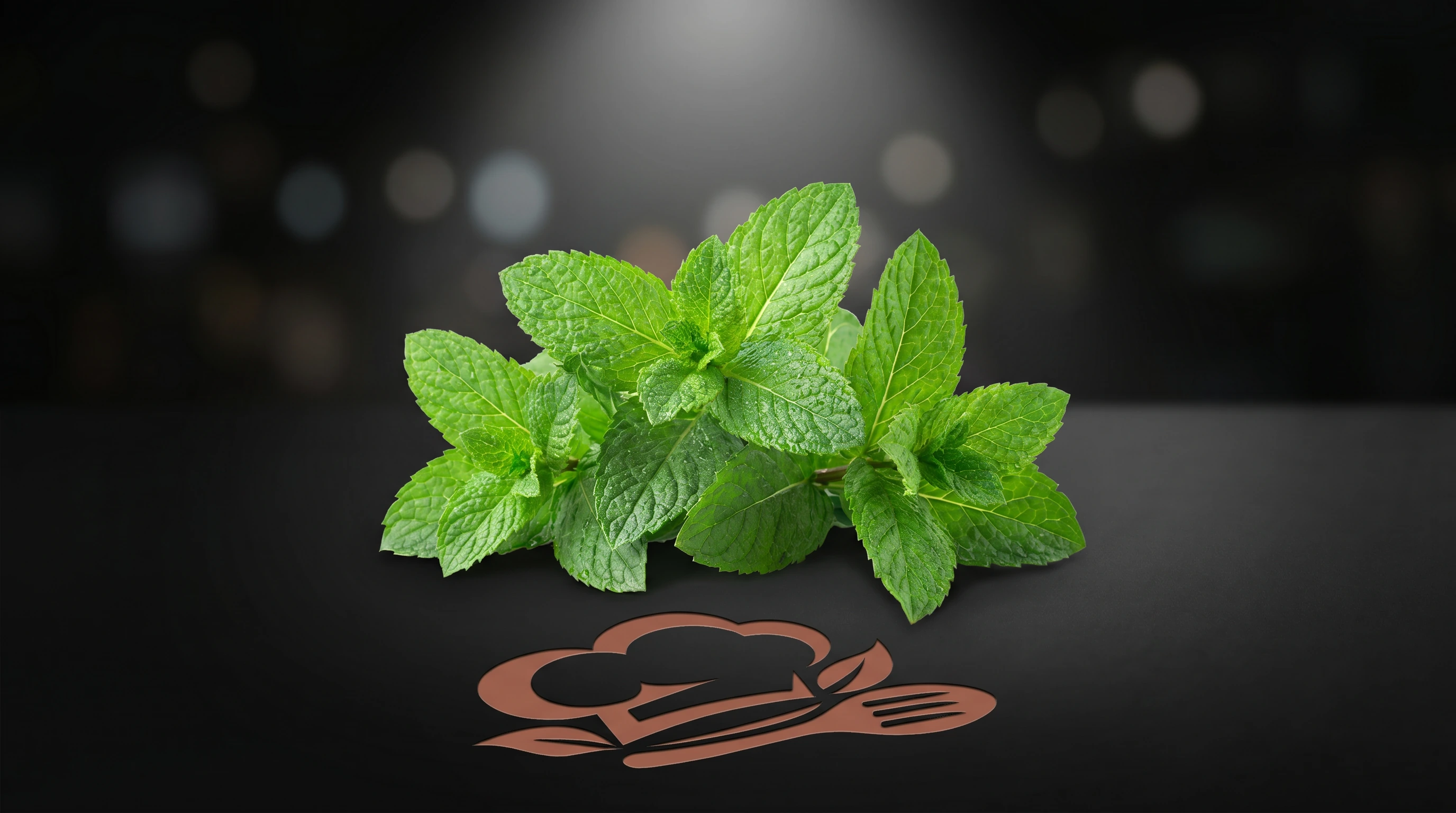
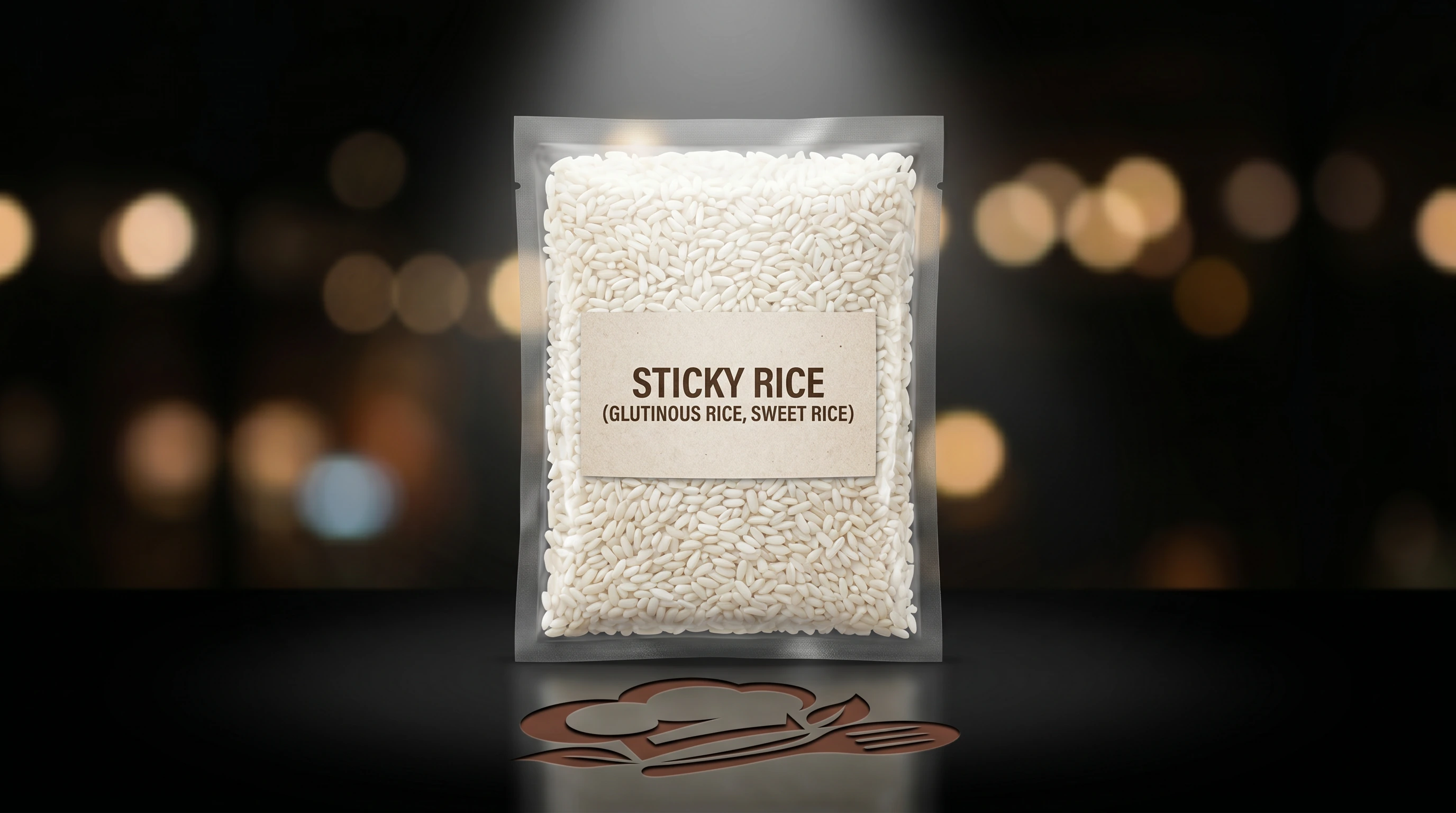
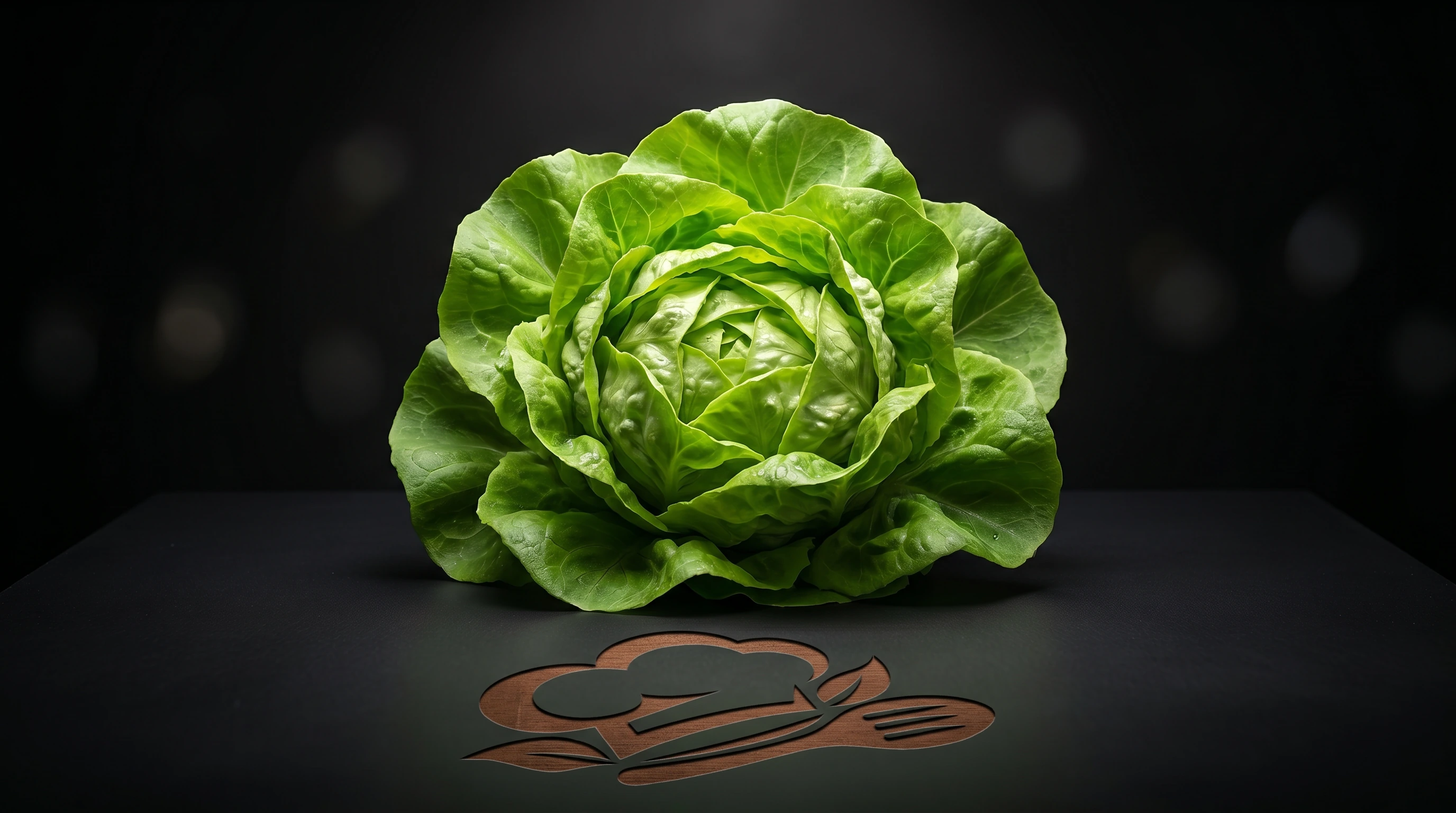
Cilantro and mint arrive at the final second, wilting slightly from residual heat but retaining their volatile oils. This timing matters. Add them too early and you lose the aromatic lift; too late and they sit apart from the meat rather than becoming it. The traditional accompaniment is sticky rice, its glutinous texture perfect for absorbing the pooled dressing at the bottom of the bowl, and crisp lettuce leaves for those who prefer their heat wrapped in coolness.
What makes larb gai enduring is its adaptability. The core formula accepts substitutions - turkey for chicken, palm sugar for brown, bird's eye chillies for milder varieties - without losing its essential character. It is weeknight cooking with the confidence of tradition behind it.