






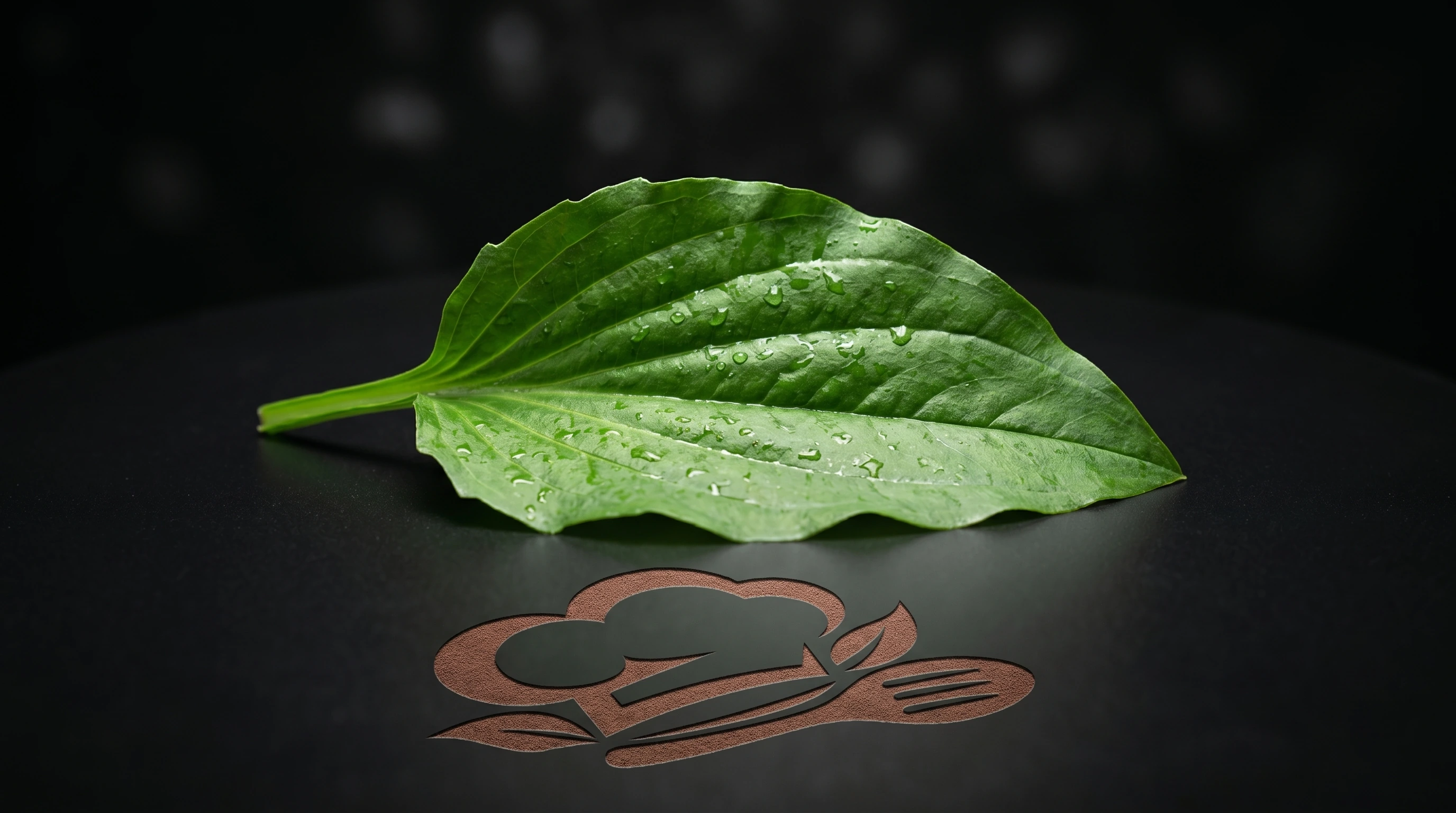

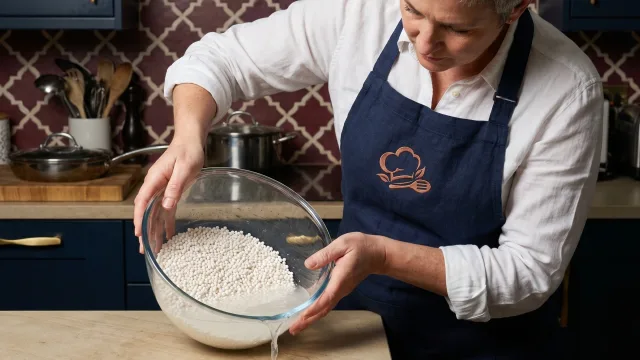
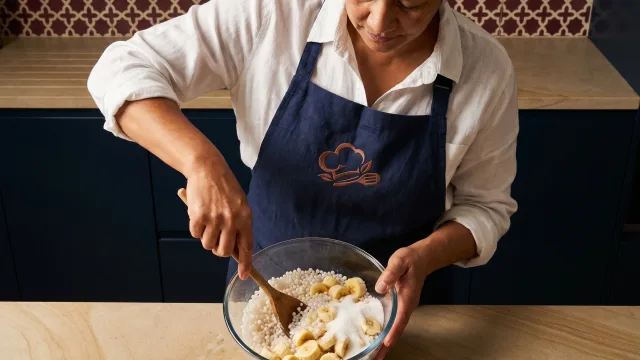
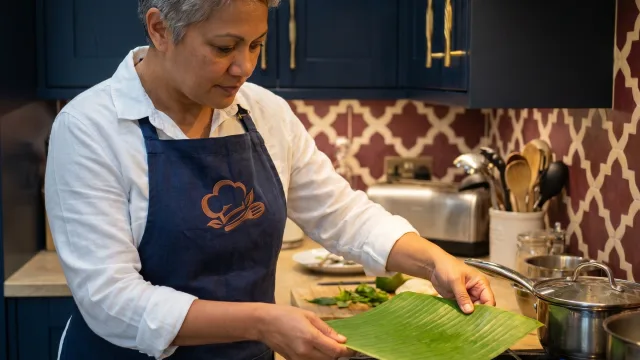
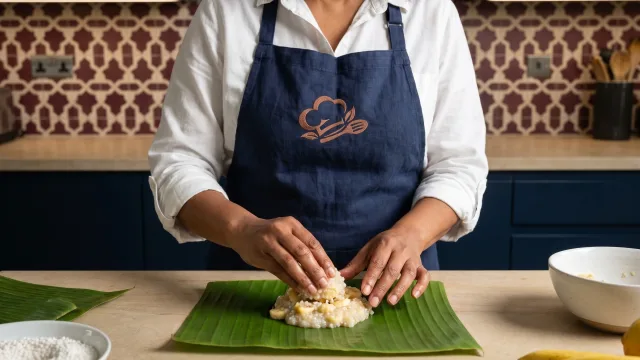
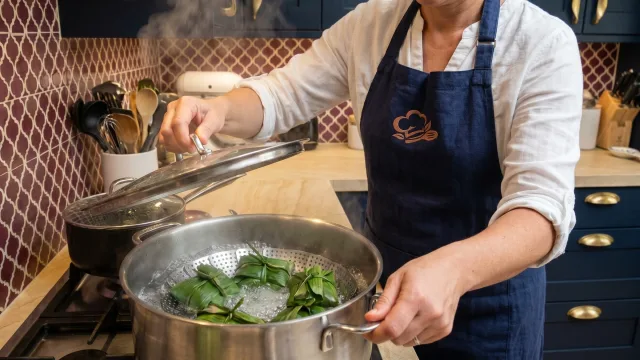


Wrapping sticky sago dough in softened banana leaves requires a gentle touch and a quick pass over an open flame. This traditional technique transforms rigid leaves into pliable green parcels that hold their shape during steaming without splitting or cracking. The heat releases the leaf's grassy aroma, which infuses the dumpling as it cooks.
A Taste of the Pacific
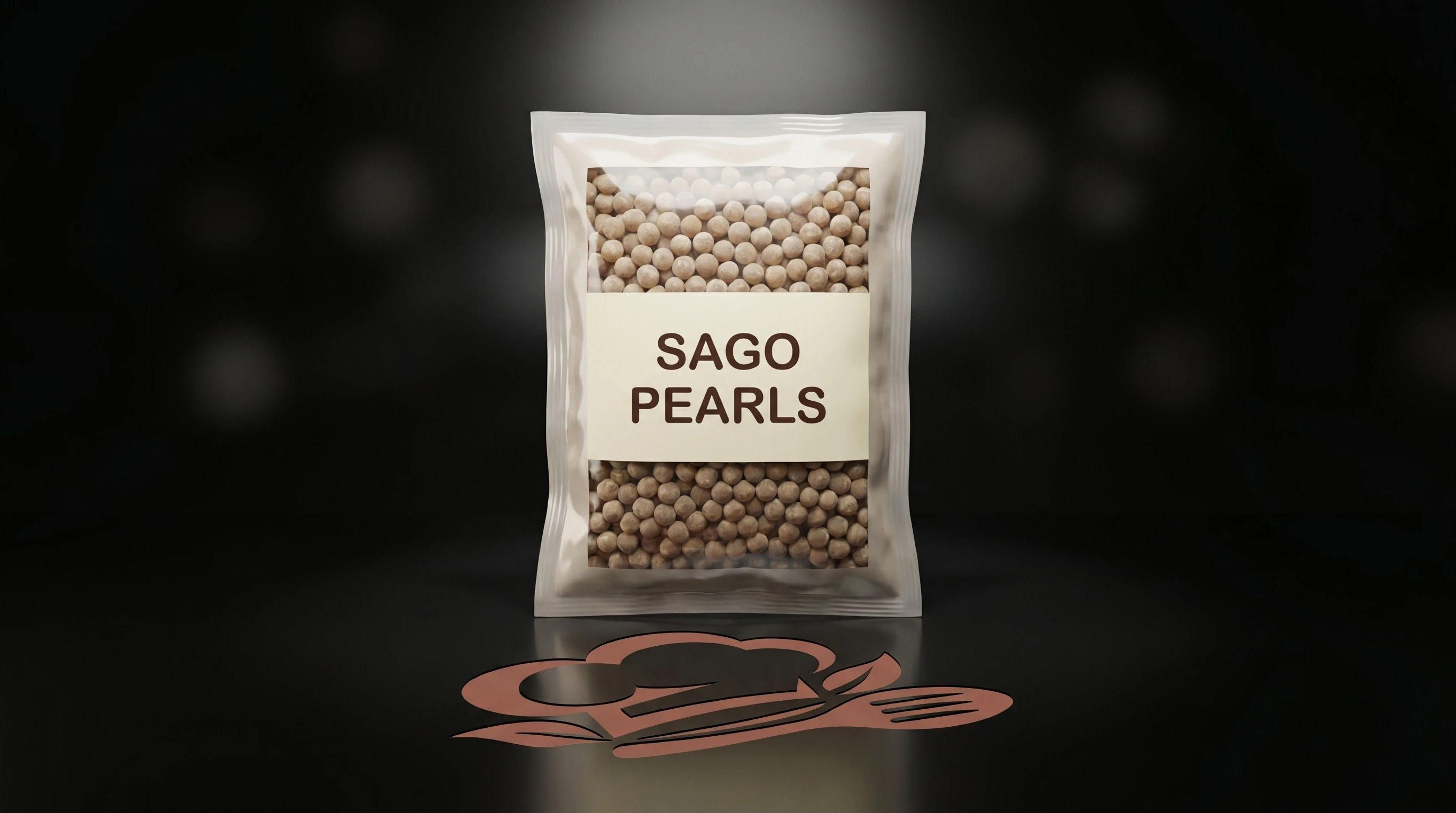
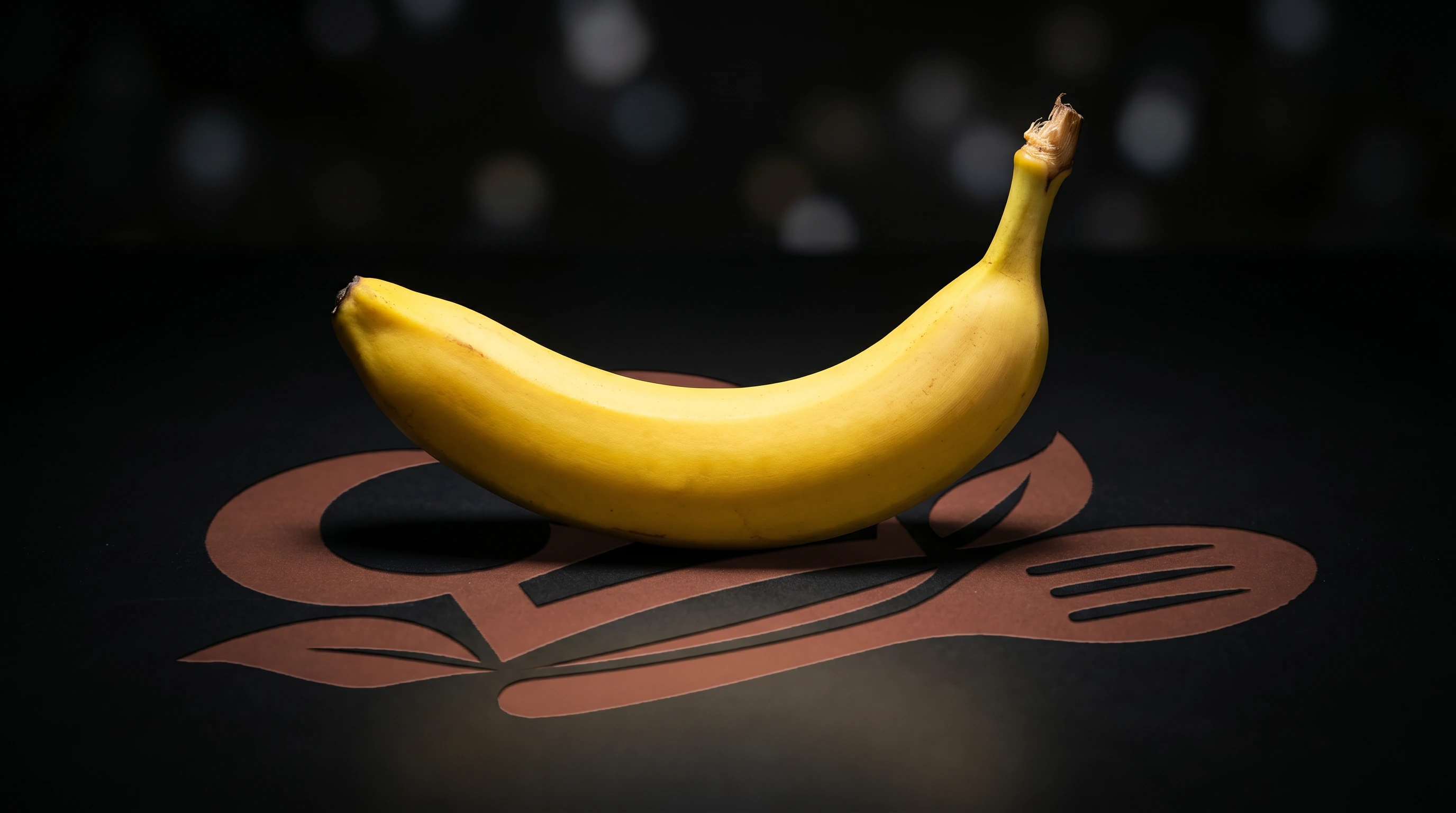
Saksak represents the ingenious use of local staples across Papua New Guinea and the Solomon Islands. Sago pearls, harvested from palm pith, provide a chewy, translucent base that carries the sweetness of ripe bananas. Unlike wheat-based dumplings, these gluten-free parcels rely on the natural starch of sago to bind the filling.
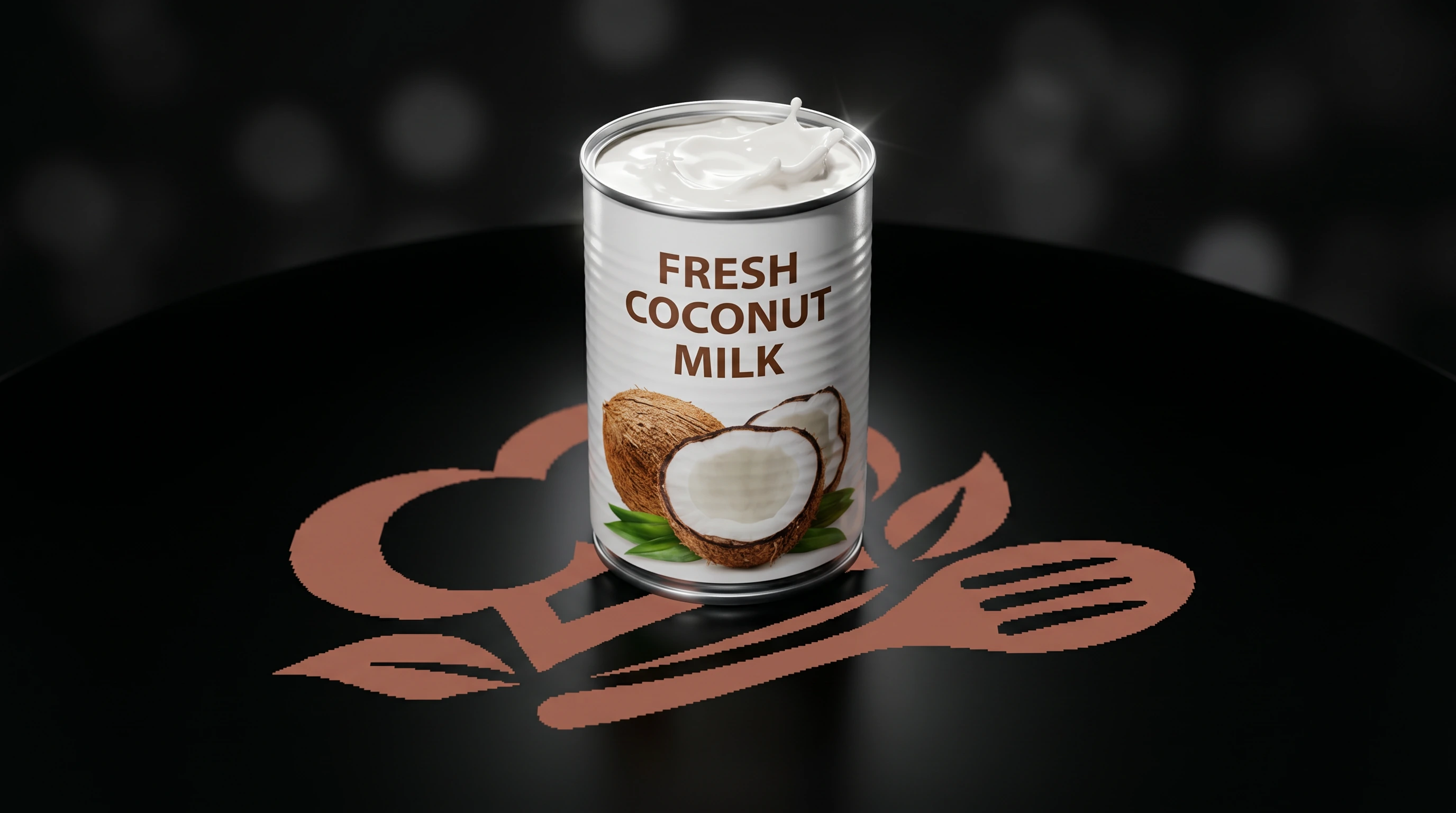
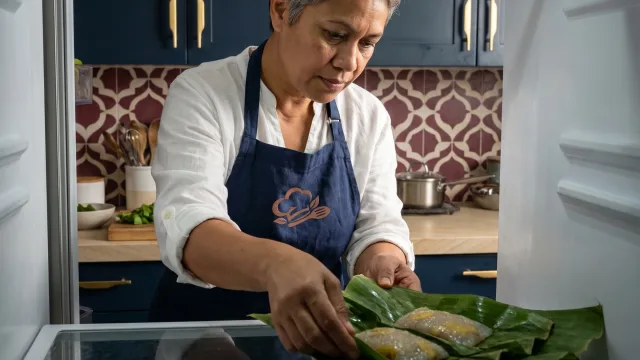
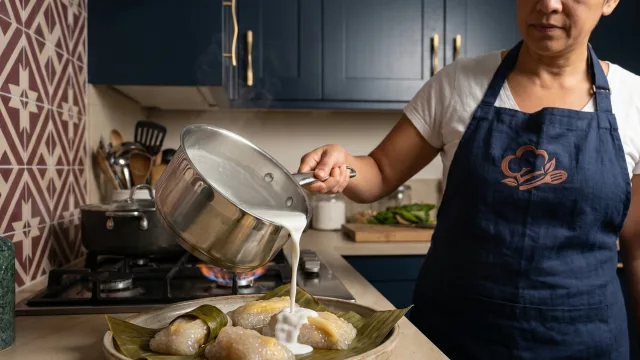
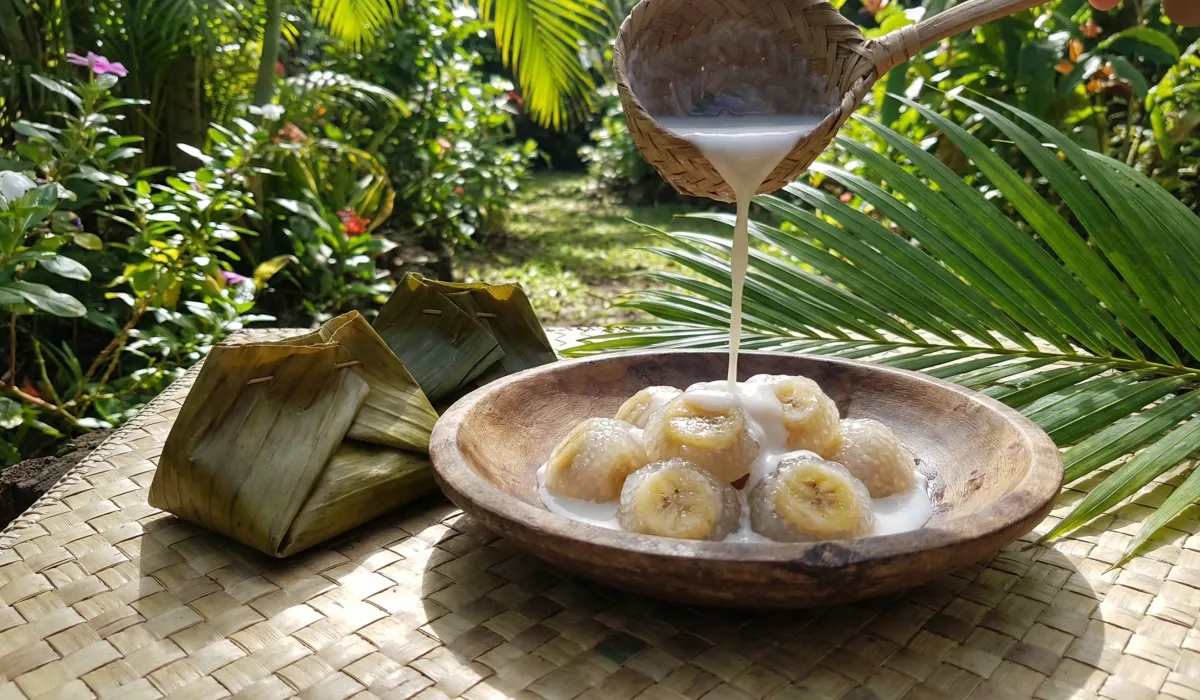
Once steamed until glassy and tender, the dumplings require patience. Chilling firms their texture, creating a pleasant resistance when bitten. The final step demands warm coconut milk poured generously over the cooled parcels, creating a rich pool that balances the subtle sweetness.
Remember to peel away the banana leaf before eating; it serves only as a fragrant cooking vessel, infusing the dumpling with tropical aroma while protecting the delicate sago during its steam bath.










I tried this and loved it