




Lazy Pierogi Casserole
Pierogi Casserole, Polish Casserole, Pierogi Lasagna, Lazy Pierogi Bake, Polish Noodle Bake
A Land Shaped by Its Food
Pierogi are seminal to Polish cuisine, with origins tracing back to the 13th century when they likely arrived from Asia via trade routes or from Italian missionaries bringing pasta concepts to the Polish court.
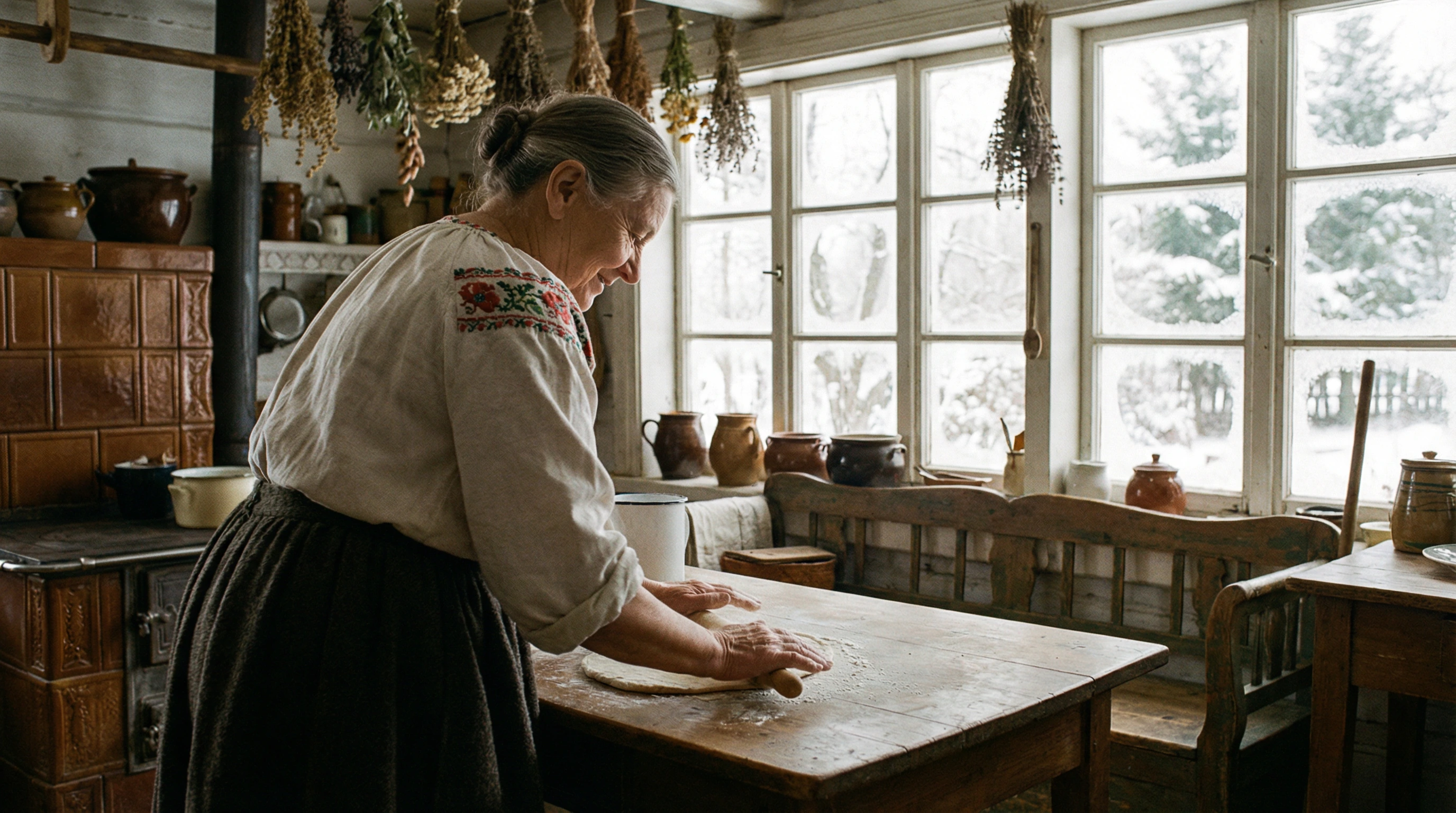
These filled dumplings became entrenched in Polish culinary identity, particularly associated with religious holidays such as Christmas Eve and family gatherings where generations would gather to fold hundreds of dumplings together. The traditional preparation involves wrapping unleavened dough around savoury fillings - most commonly potato and cheese known as pierogi ruskie - then boiling and often pan-frying in butter until golden and crisp.
The lazy casserole variation emerged as a practical mid-20th century adaptation for home cooks seeking the same comforting flavours without the time-intensive process of rolling, cutting, and crimping individual dumplings. By layering wide lasagne noodles with a pierogi-inspired filling of mashed potatoes, tangy farmer's cheese or sharp Cheddar, and sweet caramelised onions, this bake captures the essential taste and texture of the original while significantly reducing preparation time from hours to mere minutes. This adaptation reflects the broader Eastern European tradition of resourceful cooking, where humble ingredients like potatoes and pasta are transformed into substantial, warming dishes perfectly suited to cold continental winters. The casserole format also allows for easy feeding of large families or festive gatherings, maintaining the communal spirit that defines Polish food culture while accommodating modern schedules and kitchen convenience. ■

Login or Register to comment