




 Ingredient
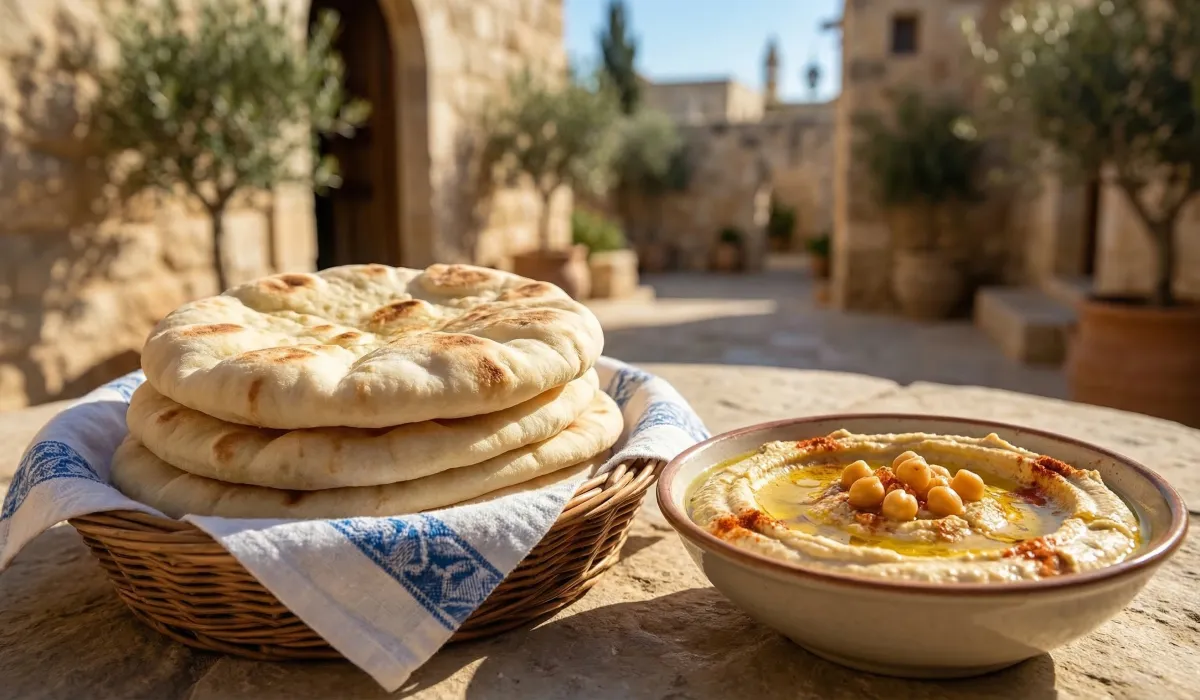

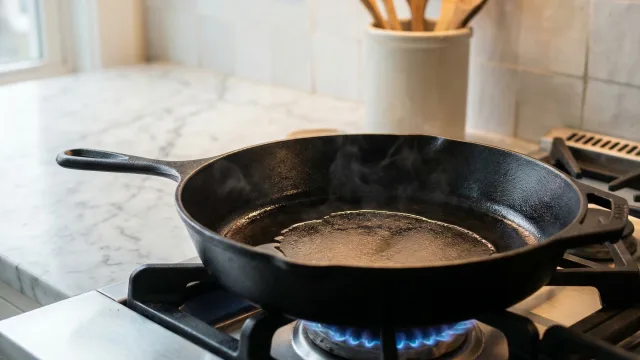
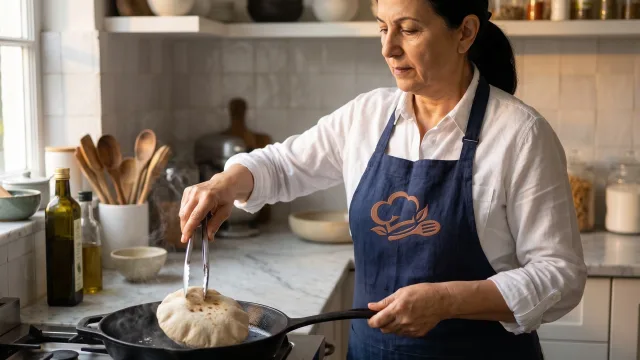
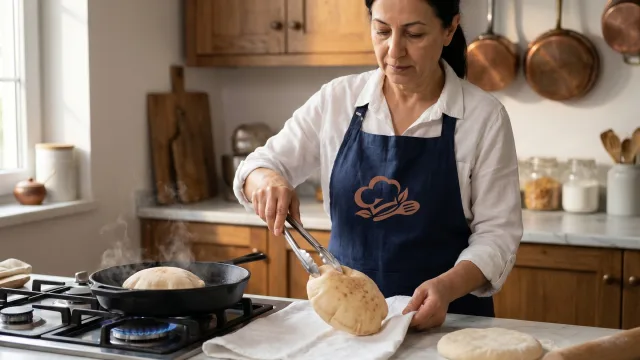
Creating the perfect hollow pocket in pita bread relies entirely on the marriage of intense heat and rapidly expanding steam. When the thin round of dough hits the hot cast-iron pan, the outer surface sets almost instantly while moisture inside vaporises, forcing the bread to balloon dramatically into its signature pouch.
The Beauty of Simplicity
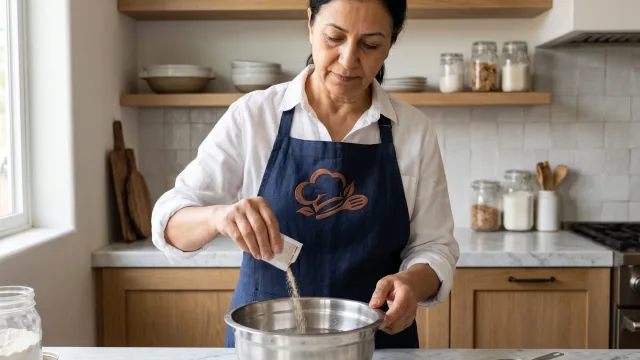
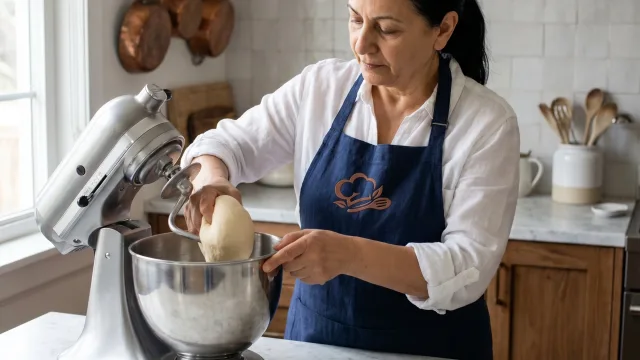
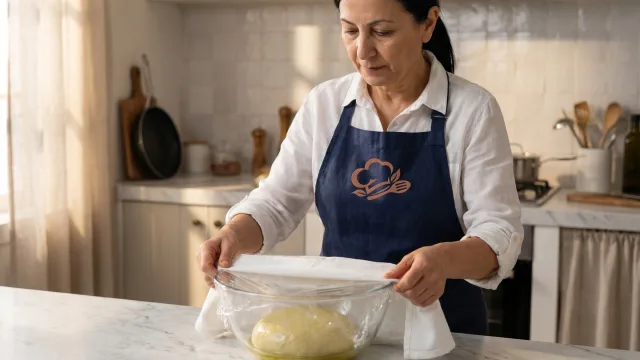
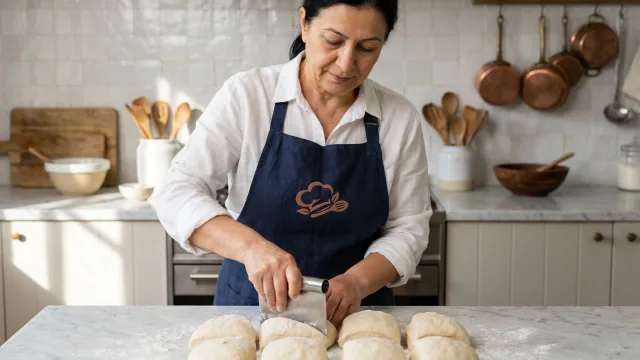
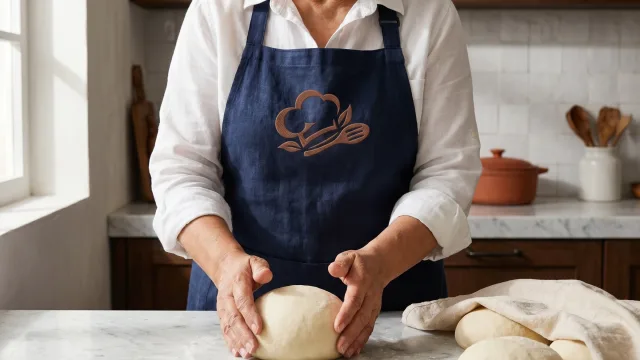
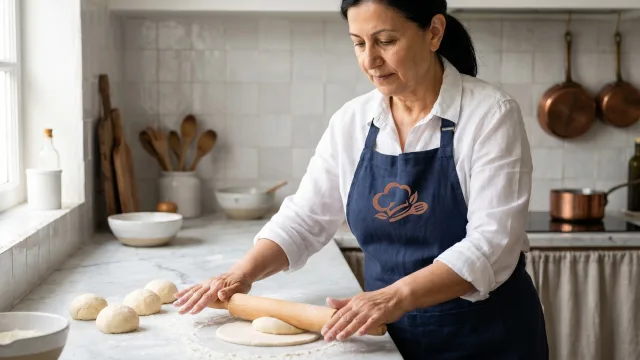
This ancient Levantine technique requires nothing more than strong white flour, yeast, and patience. The dough rests in a warm spot until doubled in bulk, then turns out onto a floured surface and divides into eight equal portions. Each ball rolls out to a six-inch disc, ready for its moment of transformation upon the searing metal.
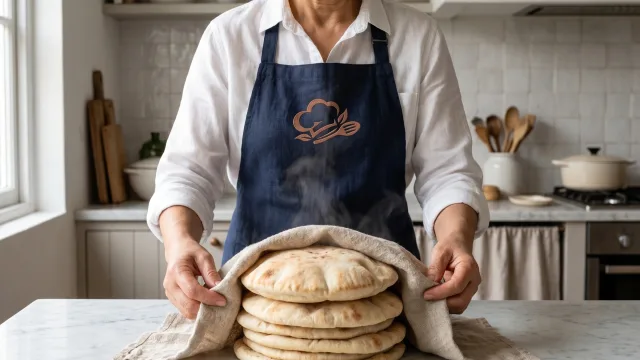
Serve these warm, pillowy rounds immediately, wrapped in a clean kitchen towel to retain their supple texture. They pair beautifully with:
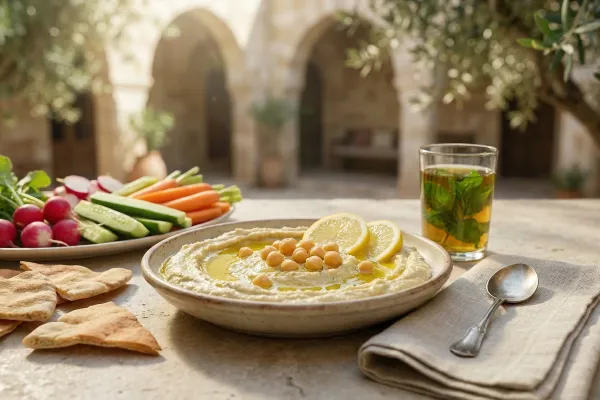
- Creamy hummus or smoky baba ganoush
- Grilled lamb kofta and crisp tabbouleh
- Fresh cucumber, tomato, and tangy tahini sauce
Unlike shop-bought varieties that often disappoint with their dryness, homemade pita carries the subtle aroma of toasted wheat and fruity olive oil. Properly cooled and bagged, they last several days, though they rarely survive that long once the family discovers the stash hidden in the bread bin.