


The past decade has seen the rise of a quiet revolution behind bar counters and supermarket aisles. Once a marginal afterthought, zero-proof drinks now dominate shelf space and cocktail menus, driven by a growing "sober curious" mindset that favours moderation over abstinence. Consumers are no longer satisfied with a splash of soda as a substitute; they expect the same craftsmanship, aroma and price point they would pay for a glass of gin or a pint of craft beer. This shift is reshaping the entire beverage value chain.
According to the latest IWSR figures cited by Foodnavigator, non-alcoholic beer has become the fastest-growing segment of the global beer market by volume, with flagship products such as Heineken 0.0 and Guinness 0.0 consistently out-performing expectations across Europe, North America and Asia-Pacific. The sector now commands a multi-billion-dollar turnover, and its growth rate eclipses that of traditional low-alcohol categories. Parallel expansion is evident in non-alcoholic wines and spirits, where premium-priced bottles are appearing on the same shelves as their alcoholic counterparts.
Research from Nielsen and IWSR reveals that the typical buyer of premium zero-proof beverages is not a teetotaller but a flexitarian drinker who wants to moderate consumption without sacrificing flavour. This cohort, largely composed of Millennials and Gen Z, cites health, mental clarity and social inclusivity as primary motivators. They are willing to pay a modest premium for products that deliver authentic grape or grain character, and they often treat a non-alcoholic spirit as the base for a sophisticated cocktail rather than a token gesture.
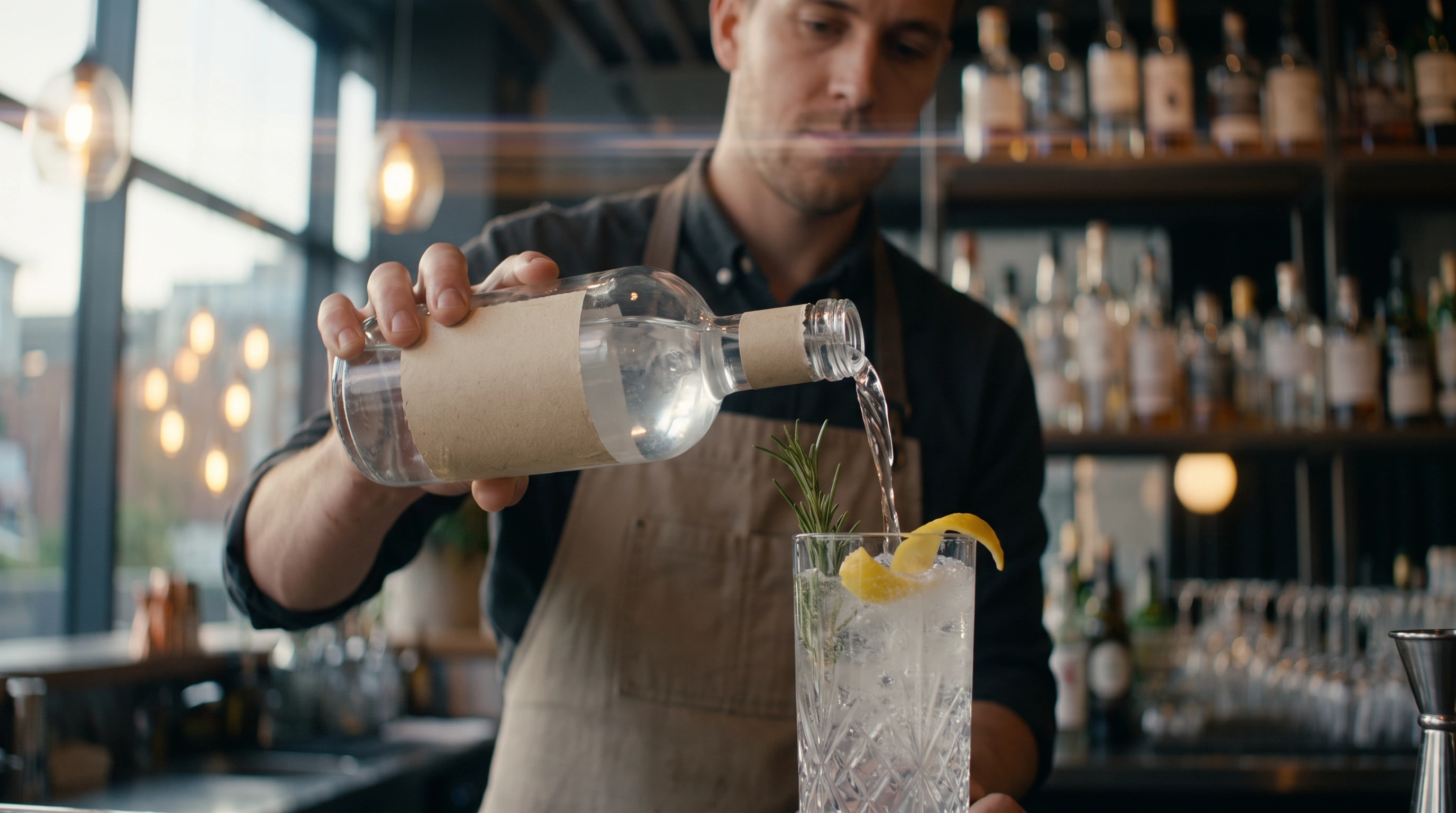
In cities such as Baltimore, bartenders are re-training their palates to accommodate the new wave. Amie Ward, a "health-tender" at the 29th Street Tavern, notes that patrons now request a "mindful drinking" menu as often as a classic cocktail list. She explains that the bar's non-alcoholic gin-based Old Fashioned and a mock-Margarita are priced on par with their alcoholic equivalents, reflecting a belief that flavour and experience, not ethanol, drive the sale. Similar programmes are sprouting in London's boutique bars, where zero-proof spirits are paired with seasonal produce.
The surge in quality is underpinned by advances in dealcoholisation technology. Modern membrane-filtration and vacuum-distillation methods retain far more volatile aromatics than the crude techniques of the early twentieth century, narrowing the sensory gap between alcoholic and non-alcoholic variants. Producers such as Heaps Normal in Australia have spent years perfecting a non-alcoholic prosecco, using proprietary yeast strains and gentle carbonation to mimic the mouthfeel of traditional bubbles. These technical gains have turned sceptics into repeat customers and justified the higher price tags that accompany premium zero-proof bottles.
The cultural cachet of zero-proof drinks has been amplified by celebrity entrepreneurs. Brands launched by Katy Perry, Bella Hadid and Tom Holland present sparkling aperitifs and functional tonics that are marketed as experiences in their own right, not as compromises. Charlotteobserver reports that these star-backed lines emphasise clean packaging, botanical complexity and low-sugar formulations, appealing to a style-conscious audience that values Instagram-ready moments as much as palate satisfaction. The celebrity endorsement has helped normalise the act of ordering a mocktail in a high-end setting, further eroding the stigma once attached to non-alcoholic choices.
Australia and the United Kingdom now lead per-capita consumption of zero-proof beverages, with Gen Z driving the fastest adoption rates. In Oregon's Washington County, establishments such as Urban River Spirits and Thirsty Lion have introduced full-scale zero-proof cocktail programmes, offering drinks like a ginger-mint mule and a chocolate-espresso martini that rival their alcoholic siblings. Meanwhile, British pubs are adding non-alcoholic craft beers to rotating taps, and the UK's regulatory framework now permits "low-alcohol" labelling for drinks under 0.5% ABV, easing distribution hurdles. The combined momentum suggests the trend is moving from niche to norm.
As the market matures, price parity, regulatory clarity and continued innovation will determine whether zero-proof drinks become a permanent fixture or a fleeting fad. For now, the data points to a sustained appetite for sophisticated, alcohol-free options that satisfy both health-conscious and socially driven motives. Bars, retailers and brands that invest in flavour integrity and authentic storytelling are likely to reap the biggest rewards.
Yum Opinion: The zero-proof wave is not a passing curiosity-it is reshaping how we define a night out, and the industry would be wise to serve it with the same reverence as any classic spirit.