





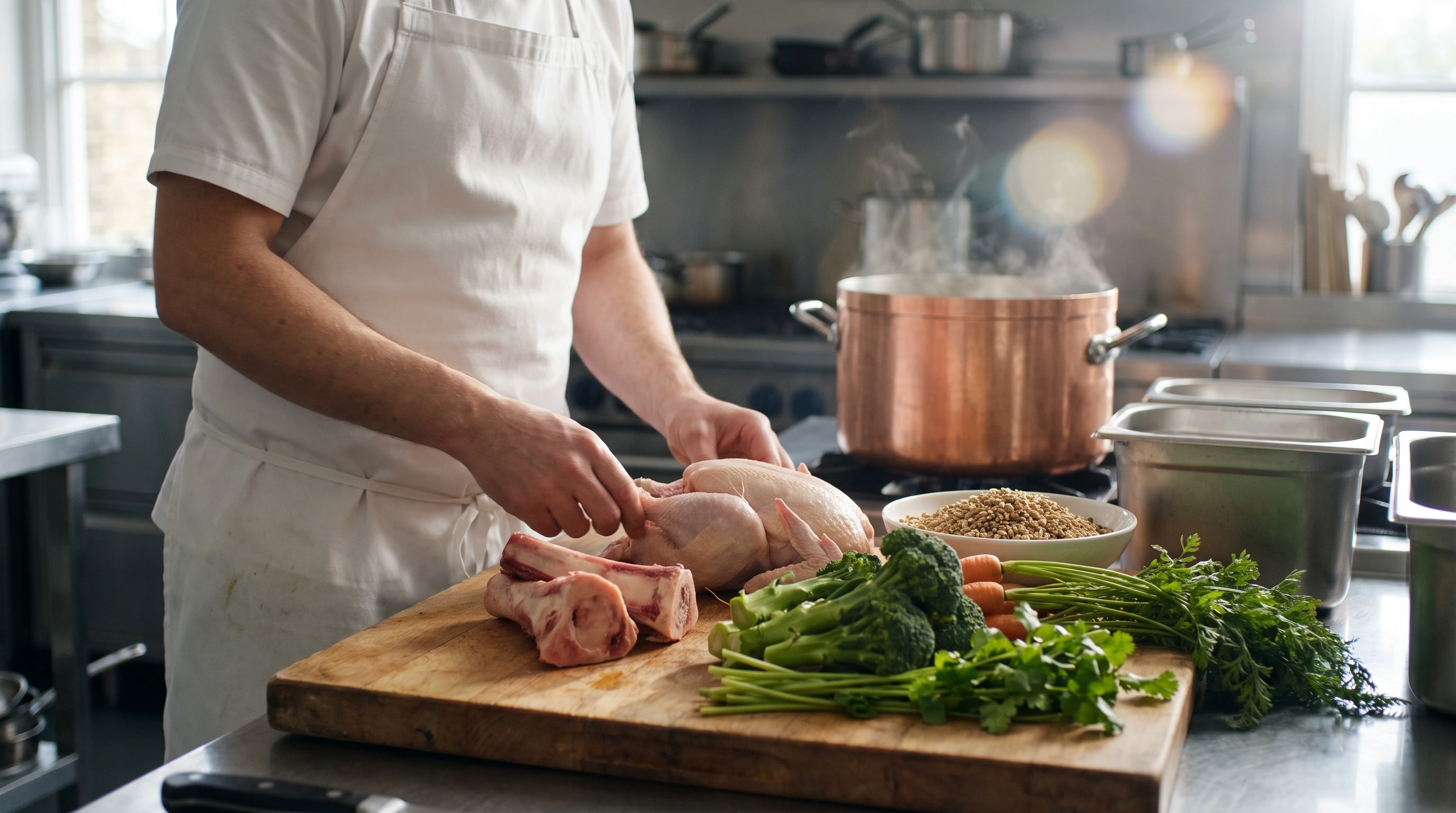
Zero-waste cooking is no longer a niche moral crusade; it is a disciplined culinary language that reaches from the butcher’s block to the back garden. The practice draws on centuries of frugal ingenuity, yet it was re-energised in the early 2000s by chefs such as Fergus Henderson, whose book *The Whole Beast* championed nose-to-tail eating at London’s St John, and Massimo Bottura, whose Refettorio projects repurpose surplus food for the vulnerable. Their influence has sparked a generation of professionals and home cooks who now see a chicken carcass, a carrot top or a coffee-ground pile as a pantry of untapped taste.
At the heart of the movement lies nose-to-tail cooking - a method that treats every part of an animal as a potential dish. Off-cuts, marrow, skin and even the gelatinous connective tissue become stocks, pâtés or crisped snacks, delivering richer flavour than lean cuts alone. Henderson’s advocacy showed that a well-rendered bone broth can underpin an entire menu, while Angels Investments notes that such practices cut ingredient costs by up to 30 percent, translating directly into household savings. For restaurants, the financial upside is matched by a narrative of authenticity that resonates with diners seeking honesty on the plate.
Equally powerful is root-to-stem cooking, which extends the whole-ingredient ethos to vegetables. The stems of broccoli, the leaves of beetroot, and the often-dismissed coriander stems (as championed by Chef Ranveer Brar) carry concentrated aromatics that can elevate soups, stir-fries and pickles. Amazing Food & Drink reminds us that Italian grandmothers have long simmered Parmesan rinds into golden sauces, while Indianexpress highlights dishes like Malai Pyaaz Ki Sabzi that turn humble onion skins into a fragrant curry. These examples illustrate that the most flavourful parts are frequently the ones we discard by habit.
Beyond the home, a burgeoning up-cycling sector is turning industry by-products into premium ingredients. Start-ups showcased at IFT FIRST are extracting functional fibres and specialty proteins from spent grain, citrus peel and coffee grounds, moving up-cycling from a sustainability add-on to a revenue-generating platform. Foodservicefootprint reports that large catering firms are already embedding surplus chips into buns and carrot-cake mixes, proving that scale does not have to mean compromise. The technology now allows chefs to source consistent, safe streams of what were once waste, creating new market categories for zero-waste gastronomy.
For the everyday cook, the transition is surprisingly straightforward. A weekly "kitchen audit" - a quick inventory of peels, stems and bones-can reveal a hidden stockpot waiting to be simmered. Turning wilted kale into a crisp, dehydrating carrot tops for a pesto, or grinding stale bread into breadcrumbs are all low-effort habits that amplify flavour and stretch budgets. Infused oils made from herb stems, and vinegar-based pickles for surplus produce, turn potential loss into pantry staples, echoing the advice found in Recipemag’s step-by-step guide.
Financially, the zero-waste mindset aligns with modern ESG investing. Angels Investments points out that reducing culinary depreciation mirrors the portfolio strategy of cutting fees and reallocating underperforming assets. Households can see a measurable drop in grocery bills, while businesses can market a greener brand story that attracts conscious consumers. The dual benefit of cost efficiency and carbon reduction makes zero-waste cooking a compelling case study for sustainable finance.
As the philosophy spreads from London’s market stalls to Mumbai’s bustling kitchens, the message is clear: waste is a design flaw, not an inevitability. By embracing nose-to-tail and root-to-stem techniques, chefs and home cooks alike can rewrite the narrative of the plate, turning every scrap into a source of taste, nutrition and economic value.
Yum Opinion: The future of food will be measured not by what we throw away, but by how creatively we transform it.