





Brazilian Moqueca With Coconut Milk
Moqueca, Moqueca de Vegetais, Brazilian Fish Stew (Vegetarian)
From the Land to the Table: A History
Moqueca is a traditional Brazilian stew that reflects the diverse cultural heritage of the country.
Its origins are a fusion of indigenous Brazilian techniques, Portuguese influence, and African culinary traditions. The dish is most famously associated with the coastal regions of Bahia and Espírito Santo, where the availability of fresh seafood and coconut palms shaped the local diet.
In Bahia, the Moqueca Baiana is distinguished by the use of dende oil, a vibrant red palm oil brought over by enslaved Africans, and coconut milk, which provides a creamy, rich texture. In contrast, the Moqueca Capixaba from Espírito Santo typically omits the palm oil and coconut milk, focusing more on the natural flavours of the fish and vegetables.
The transition of Moqueca from a seafood-centric dish to a vegetable-based version reflects modern dietary shifts while maintaining the essential flavour profile of the region. The combination of onions, garlic, peppers, and tomatoes creates a sofrito-like base that is characteristic of many Luso-African dishes.
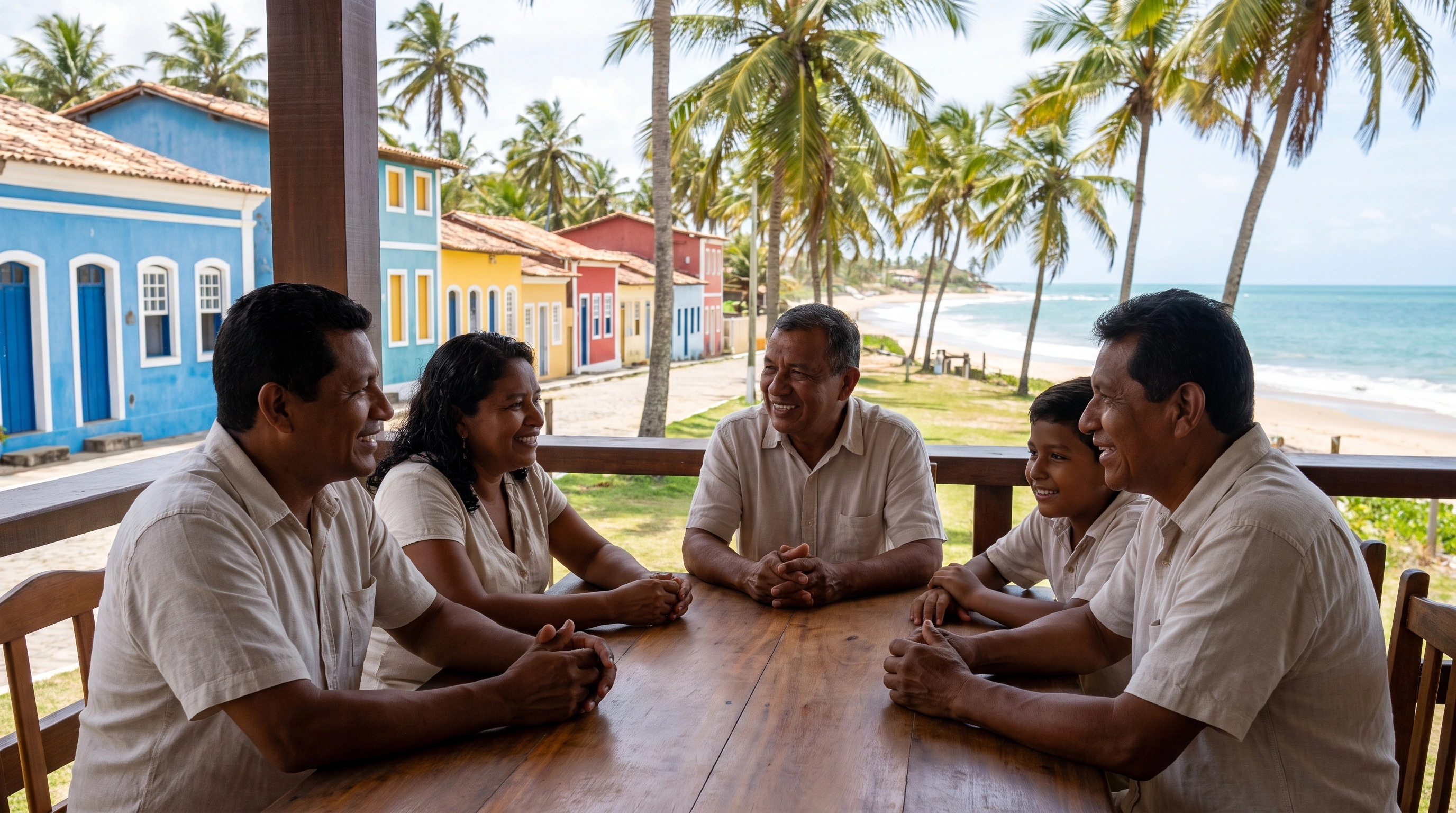
Today, Moqueca is celebrated as a symbol of Brazilian hospitality. It is traditionally cooked in a clay pot, known as a panela de barro, which retains heat and adds a subtle earthy quality to the stew. It remains a staple of celebratory meals and family gatherings across Brazil. ■

Login or Register to comment